



Variable Resistors Explained: Types, Uses, and How They Work
Generally, resistors are components in electric circuits. They function by dividing voltages, acting as volume control, adjusting signal levels, reducing current flow, etc. The two major classes of Variable Resistance Device and fixed resistors – with our emphasis being on the former. As such, we’ll learn about the types, applications, and operation of variable resistors.
What is the Variable Resistor?
A variable resistor is an electronic component that operates by changing the resistance of an electronic circuit as recommended. Essentially, the resistors calibrate devices.
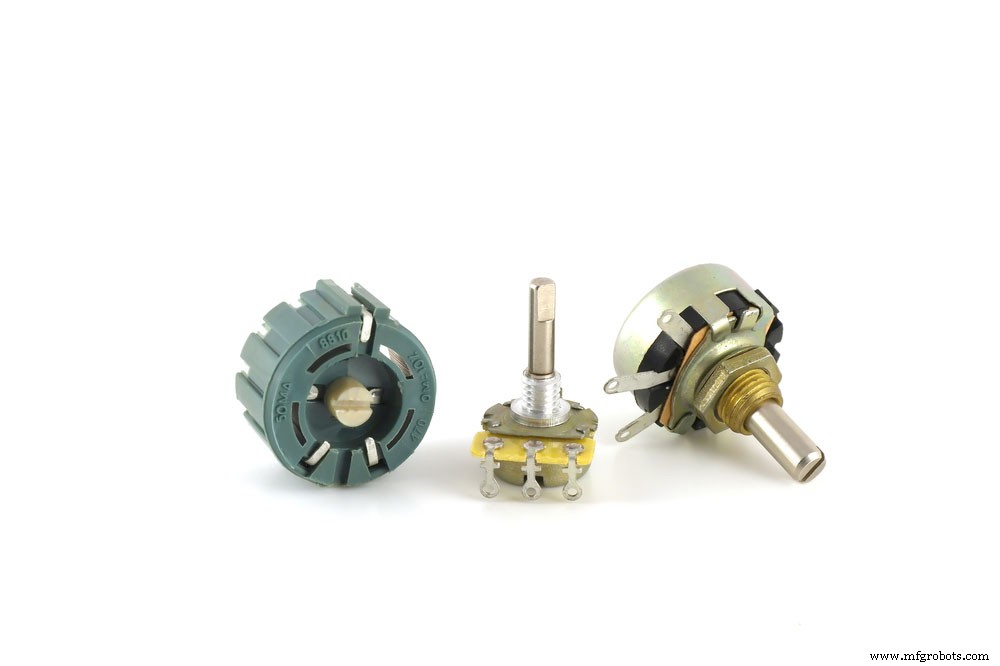
(variable resistors)
They can have two or three terminals though the most common is a three-terminal device.
Types of Variable Resistors
The five major types of variable resistors include;
Potentiometer
A potentiometer is the most popular 3-terminal variable resistor. Types of potentiometers often include a mechanical potentiometer and a digital potentiometer.
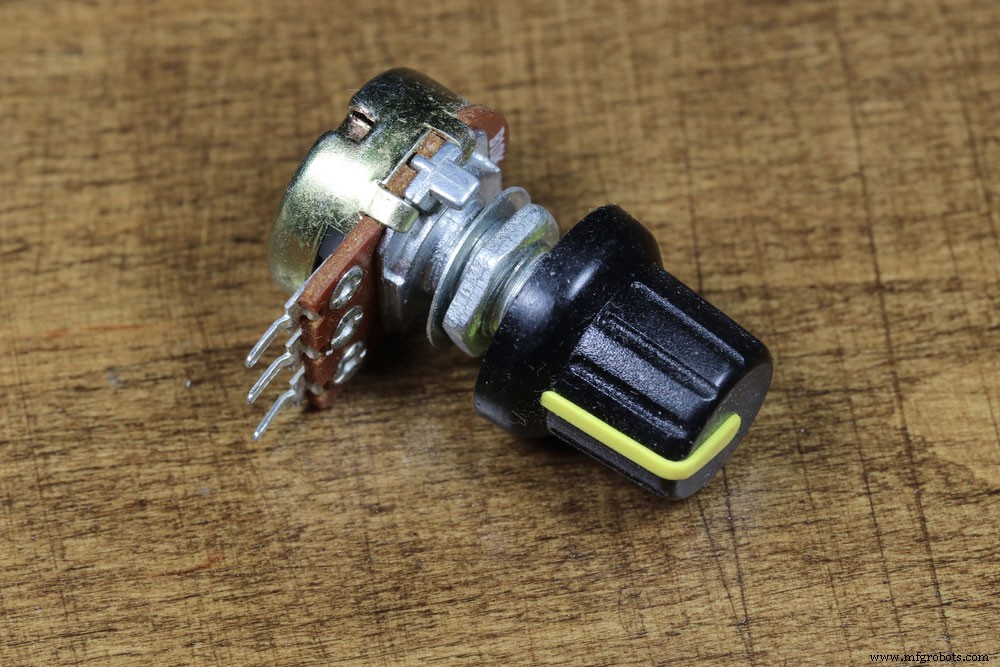
(a potentiometer with knob)
It operates as a resistive divider. Thus, depending on the potentiometer’s position, you can use it to produce an output voltage signal from an input voltage. Subsequently, you can use the voltage in many applications like control inputs for electronic circuits, audio balance control, etc.
Additionally, you can use trimpots or trimmer potentiometers when applying a variable resistor in calibrating or tuning a circuit/application.
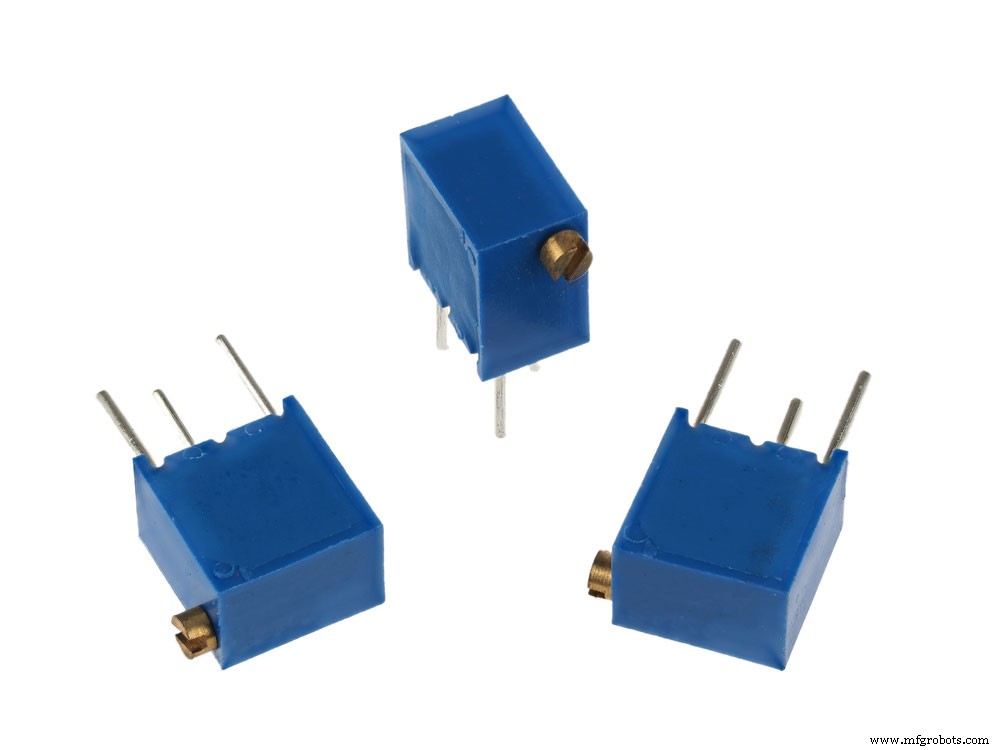
(trimmer potentiometers)
Mostly, inexpensive potentiometers are compact, mounted on PCBs, and are adjustable with screwdrivers.
Rheostat
While rheostats may be similar in construction with potentiometers, they work on variable resistance. Moreover, they only use two terminals.
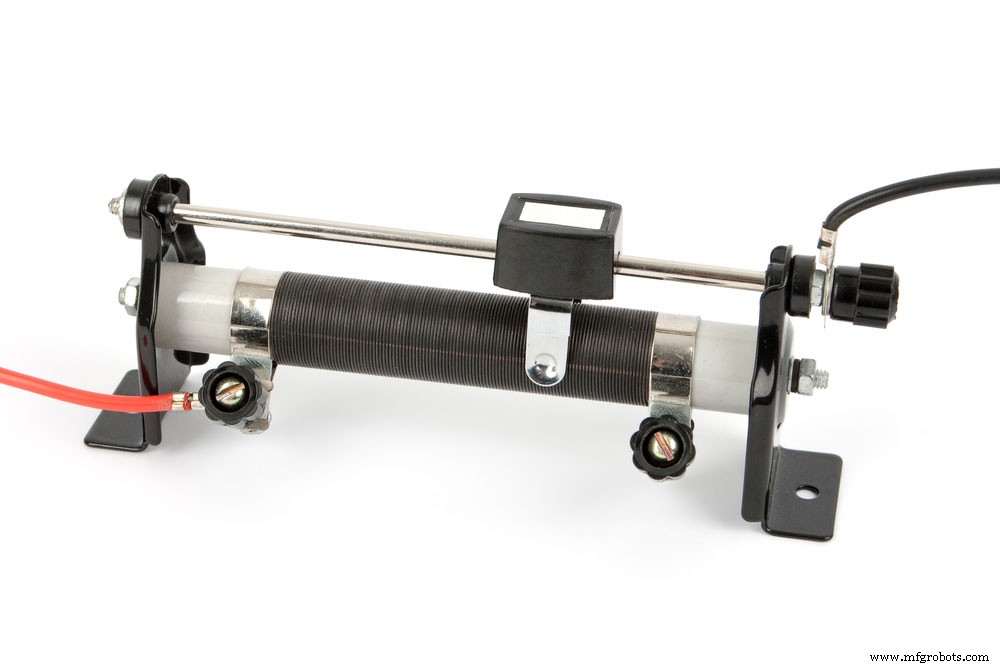
(sliding rheostat)
With the two terminals, you’ll connect one to the wiper terminal of the variable resistor. Then, attach the other part at the end of a resistive element.
Earlier, technicians applied rheostats as power control devices and placed the resistor in series with power loads like light bulbs. However, that is an ineffective method today; hence, switching electronics are recommendable.
Digital Resistor
A Digital resistor is a variable resistor type that uses electronic signals to change the resistance.
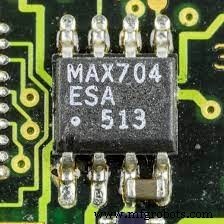
A digital resistor
You can use discrete steps in the resistor to change resistance. You can also control it using digital protocols like up/down signals or I2C.
Preset variable resistors
Presets are miniature versions of variable resistors. So, you can easily place them in circuit boards and adjust them with screwdrivers. You’ll, however, need to rotate the screw severally because of the gradual increase or decrease in resistance.
Also, apart from being cheap, they have multi-turn options and are highly specific. Their usage favors applications with adjustable sensitivity circuits and an alarm’s adjustable frequency tone.
Variable Resistor Connection
If you want to use a variable resistor as a rheostat, the simple step below applies.
Track one end of the resistance. Then, connect the wiper terminal to the circuit, but leave the other resistance track’s terminal open. As such, you’ll have the electrical resistance connected between the wiper terminal and the track terminal. And, it’ll be dependent on the wiper’s position on the resistive track.
Also, you can use the variable resistor as a potentiometer. You can achieve that by connecting the two ends of the resistance track to an input circuit. Then, use the wiper terminal and one of the resistance track’s ends to connect to the output circuit.
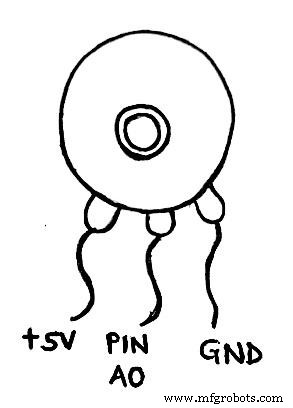
Terminals in variable resistors
From the above circuit diagram, all three terminals are functional.
There are times when your electronic circuits will often or once require adaptable resistance. The process involves connecting presets in the electronic circuit. The preset has an adjustable electrical resistance value achieved by adjusting the attached adjustable screw.
Working Principle of Variable Resistor
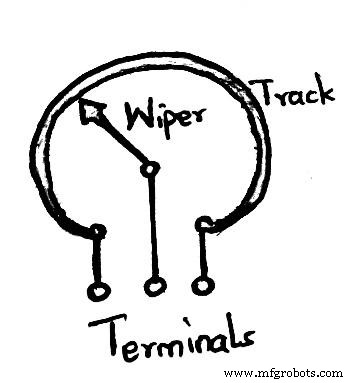
A diagram on how variable resistors work
From the diagram;
- We have the variable resistor with a track providing the resistance path.
- Further, the terminals of the machine (two in total) link to the track at both ends. The third terminal is a wiper terminal that sets the pace for track motion.
- The motion of the wiper in the track decreases or increases the resistance.
Note;
The materials for constructing the track are metal and ceramic (carbon is also ideal). You’ll mostly find their application in TV receivers, audio amplifier circuits, and radio receiver circuits. A carbon composition resistance element is necessary when there’s additional resistance.
- A rotary track resistor is applicable in two areas. One involves resistance modification while the other operates an on/off switch for electric non-contact and contact. Another example of the switch method uses an annular cross-section with variable resistors to control equipment.
- Slider is a term referring to a track made in a straight path. Unfortunately, you can’t confirm or see the slider’s position when modifying the resistance. For that reason, it’s advisable to integrate a stopping mechanism to prevent damages from occurring because of over-rotation.
Variable Resistance Specification
Parameters like resistance, type of track, and size usually define a variable resistance. For instance, variable resistors often have a spindle diameter of 6mm.
A linear track (LIN) defines a straight path in a variable resistor. Conversely, a logarithmic way (LOG) determines a rotary route.
Linear track variable resistor
Here, you’ll continuously remove the wiper along the resistance track. Also, the resistors rarely have specifications. Therefore, you’ll assume the track mechanism is linear.
Logarithmic track variable resistor
Often, there’s constant resistance (no decrease or increase) with the LOG resistor type. Thus, moving the wiper from one end changes the resistance slowly. Contrarily, bringing it back to the other end brings a faster rate of change in the opposition.
Briefly, a wiper being halfway along a resistance track results in less than half in the maximum resistance value.
Applications of Variable Resistors
You’ll find variable resistors in several applications that include;
- Oscillators, Audio control/ Audio power amplifiers, Home electrical appliances, Television, Computation, Transducers, and Motion and voltage control.
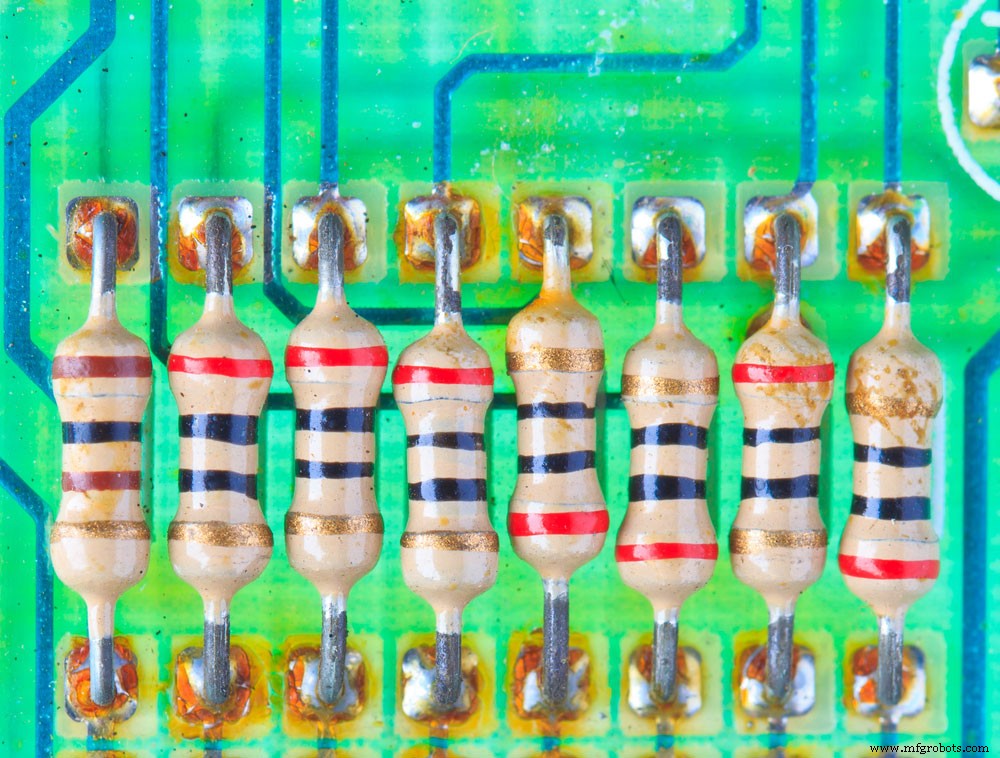
(resistors mounted on a motherboard)
Symbols for Variable Resistors
The figures below give the IEC standard of the various variable resistor symbols.
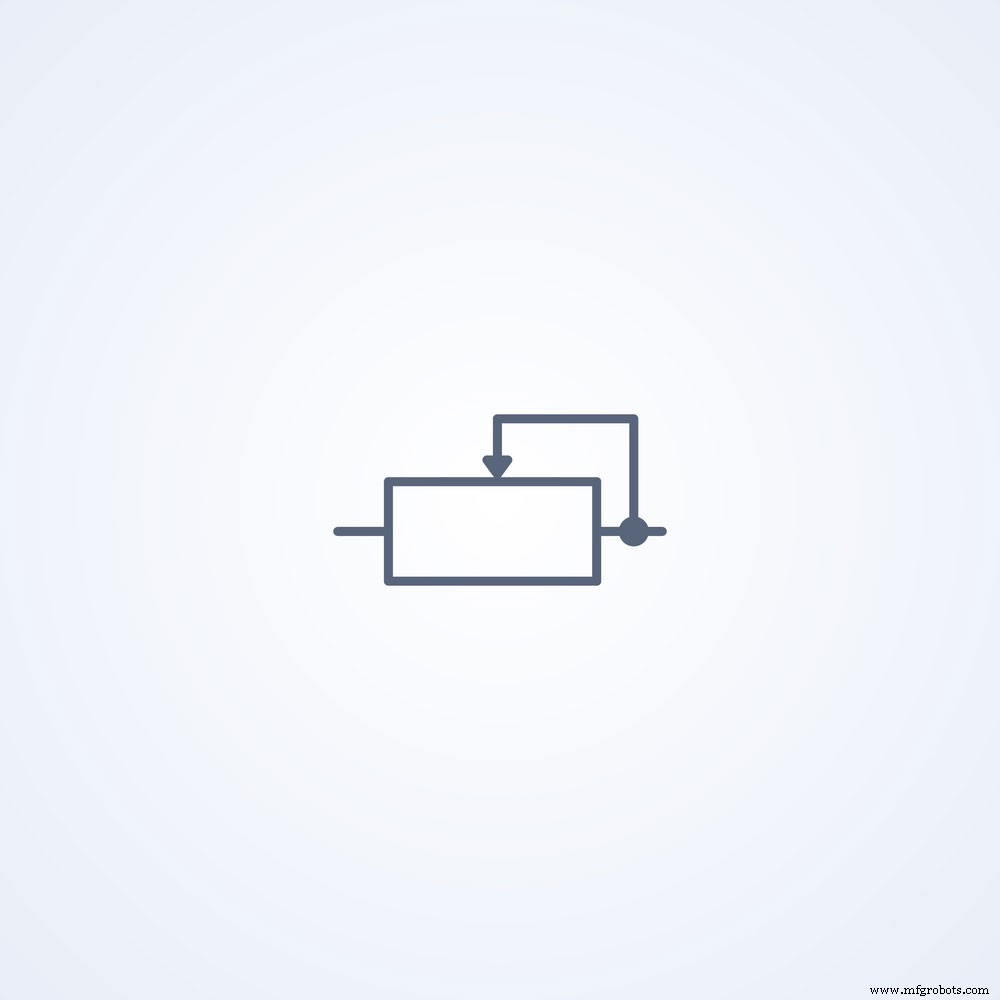
(potentiometer)
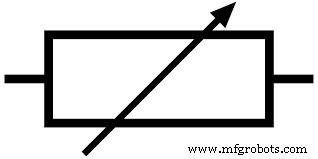
A resistor variable rheostat
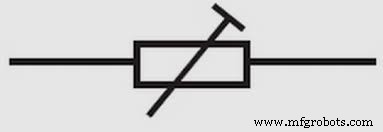
A preset resistor
Conclusion
For more information on variable resistors, kindly contact us. We’re always ready to help.
Industrial Technology
- RVG Sensor: How It Works and Why It’s Transforming Dental Imaging
- Photoresistor (LDR): Function, Types, and Practical Applications
- Understanding 3D Printing: Principles, Types, and Key Applications
- Extrusion Process: Principles, Types, Applications, and Expert Insights
- Resistance Welding Explained: Types, Processes, and Advantages
- Micro Switches: Types, Working Principles, and Key Applications
- LM393 Comparator Overview: Pinout, Features, Applications & Operation
- CD4066 Quad Analog Switch: Key Features, Operation, and Practical Uses
- IRF540 MOSFET Pinout & Specifications: Features, Operation, and Practical Uses
- Resistance Welding Explained: Types, Processes, and Benefits