



RVG Sensor: How It Works and Why It’s Transforming Dental Imaging
What Is an RVG Sensor?
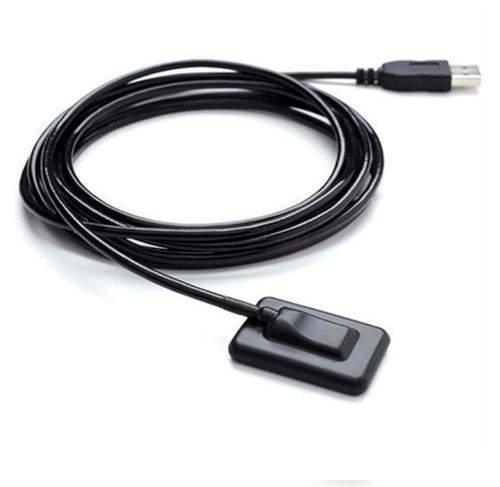
RVG—short for RadioVisioGraphy—is a modern alternative to conventional X‑ray radiography in dentistry. Designed for durability and image clarity, the sensor is hermetically sealed, waterproof, and shock‑proof. Inside, a high‑sensitivity scintillator converts X‑ray photons into visible light, which is guided by fiber optics to a rugged CMOS detector that delivers high‑resolution images.
How the RVG Sensor Works
The sensor has two sides: a reactive side for image capture and a non‑reactive side that houses the cable connection. When the reactive side faces the patient, X‑ray radiation passes through the tissue, the resulting light is recorded by the sensor, and an analog‑to‑digital converter instantly translates it into digital data. This data is streamed via a USB port on the inactive side to a computer, where the clinician can view the image in real time.
Optimal performance requires an X‑ray generator operating between 60 kV and 70 kV. Generators below 60 kV produce insufficient exposure, while too high a voltage can over‑expose the image. If the image is too dark, reduce the exposure time; if it is grainy, increase the exposure time.
Key Advantages
- Reduces patient exposure to X‑ray radiation by up to 80 % compared to conventional film.
- Provides instant results, cutting waiting time for patients.
- Images can be stored, resized, and contrast‑adjusted for optimal interpretation.
Applications in Dentistry
RVG sensors are the workhorse of digital intraoral imaging. They come in three standard sizes:
- Size 0 – Pediatric exams.
- Size 1 – General‑purpose; ideal for vertical (bite‑wing) images.
- Size 2 – Bitewing and periapical imaging.
With the ability to capture high‑quality images quickly, RVG technology has become indispensable in modern dental practice.
Sensor
- Blood Pressure Sensor: How It Works & Key Applications
- Voltage Sensors: How They Work & Key Applications in Modern Power Systems
- Throttle Position Sensor: How It Works and Why It Matters
- Lambda (Oxygen) Sensor: Function, Operation, and Key Automotive Applications
- Image Sensors: Types, Operation, and Practical Applications
- Pulse Sensor: How It Works and Key Applications for Makers
- Understanding RTD Sensors: Principles, Accuracy, and Key Applications
- Fingerprint Sensor Technology: Working Principles, Applications, and Arduino Integration
- Vibration Sensors: Principles, Types, and Industrial Applications
- How Oxygen Sensors Work and Their Key Applications in Automotive and Industrial Systems