



Designing for Product Longevity: Avoiding Component Obsolescence
Creating a manufacturable product is complex, and even the most well‑engineered design can miss the market if procurement cannot secure the chosen components throughout its production run.
Electrical engineers routinely mitigate obsolescence by checking component lifecycle data when selecting PCBA parts. Hardware, however, is trickier. While suppliers like McMaster‑Carr and Grainger excel at industrial parts, they often lack the price competitiveness and volume sourcing of electronics distributors such as DigiKey and Mouser. Off‑the‑shelf components sourced from a variety of vendors rarely disclose their future availability unless you ask directly.
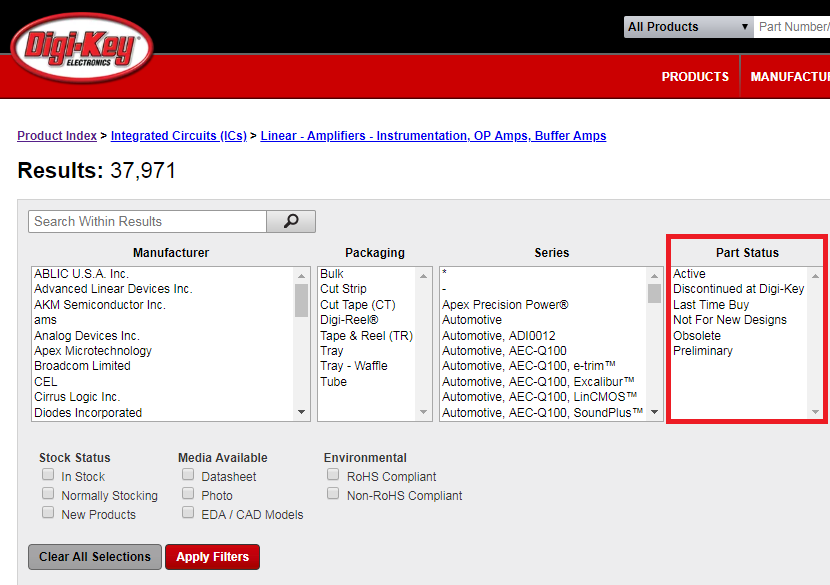
Amazon is Not the Solution
From our experience at a product‑development consultancy, startups often assume that sourcing parts on Amazon or eBay guarantees availability throughout a product’s lifecycle. Consumer‑grade items sold via retail platforms are subject to rapid obsolescence; their manufacturers typically discontinue lines to make room for newer models. If a component represents only a small fraction of a company’s revenue, the vendor has little incentive to maintain its supply. In contrast, industrial components are usually embedded in larger systems where the unit cost is a small fraction of the overall system cost. Customers are willing to pay a premium for parts that come with a commitment to long‑term availability, thereby protecting them from costly redesigns.
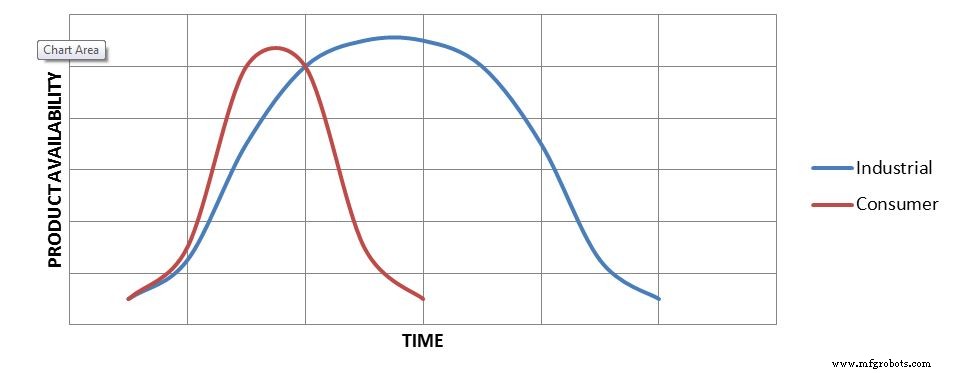
Consumer products can be pulled from shelves with little warning, and manufacturers often redesign them to stay trendy. Even if the underlying technology stays the same, packaging or form‑factor changes can render a component incompatible with your design.
A client sought to use the latest Microsoft Surface tablet as an HMI. The tablet’s small size, high performance, and low price seemed ideal. We cautioned them about obsolescence, but they persisted. By the time development concluded, the tablet had been discontinued, and re‑tooling the custom interface would have exceeded the savings from using a consumer device.
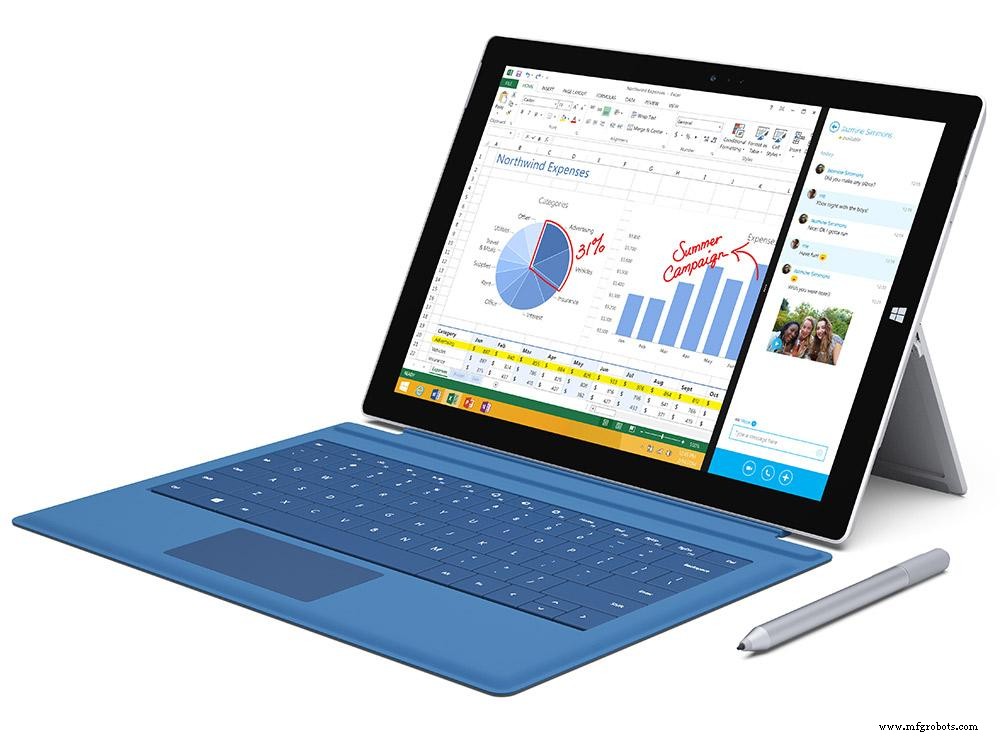
Electronics face the fastest EOL cycles due to rapid technological shifts and shifting consumer preferences. Even a seemingly robust hardware choice can become unavailable if it is non‑commodity, sourced from a limited supplier base, or if a vendor fails to meet demand or exits the market.
Specialized Fasteners Also Pose Risks
Although displays and electronics are the most common obsolescence culprits, specialized fasteners can also cause supply headaches. Standard fasteners—by pitch, length, or head style—are widely available, but custom‑spec items like titanium shoulder screws with low‑profile heads, non‑fractional shoulder lengths, and hex‑drive tips are often scarce. If such a part is only discoverable on a dated 1990s website, it signals a high risk of supply disruption; you should verify whether the design intent can be achieved with a more common alternative.
Even when a solution exists, large minimum orders or extended lead times can erode project schedules and cost estimates.
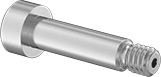
Off‑the‑shelf hardware can boost prototype quality, but its longevity in production depends on supply assurance. Selecting components from established, multi‑vendor sources—i.e., commodity parts—provides confidence that they remain in production and that vendors issue timely discontinuation notices.
These precautions apply universally. Rely on reputable suppliers known for consistent quality and availability. Partnering with seasoned designers and vendors enables you to resolve sourcing challenges early in the design phase, preventing costly production setbacks.
Manufacturing process
- Designing Baby Products: Ensuring Safety, Compliance, and Market Success
- Designing for Product Longevity: Avoiding Component Obsolescence
- Why Life‑Cycle Cost Analysis Delivers Tangible ROI
- MIDI Integration for Digital Organs: Components & Setup Guide
- CT Scanning Essential for Ensuring Airworthiness of Aircraft Components
- CNC Threaded Part Design: Expert Tips for Precision and Reliability
- Precise Copper Machining: Key Precautions for Superior Surface Quality
- Mastering Machined Part Design: A Comprehensive Guide
- High Precision Components: What They Are & Why They Matter
- Professional Finishing Processes for Parts & Components