



IoT & AI-Driven Water Quality Monitoring Protects Aquatic Life
Components and supplies
 |
| × | 1 | |||
 |
| × | 1 | |||
 |
| × | 1 | |||
| × | 1 | ||||
| × | 1 |
Apps and online services
|
| |||
 |
| |||
 |
|
About this project
InspirationWhenever I visit New Delhi, I encounter the Yamuna River Bridge. Each year the river's water is getting more polluted and there is no sign of any aquatic life. The water which is used by thousands of villagers contains no property of water, its pH is close to the one of acid.
It's not just Yamuna, but hundreds of rivers around the globe with no sign aquatic life. Every time a Industry decides to dump it's chemicals and waste into the river, the aquatic life pays the price for it.
Many species of the oceans are getting extinct due to pollution.
With this Earth Day Challenge, I want to solve this problem.
The SolutionTo take suitable action against this problem, we first need data to analyze what is happening inside the water.
We are collecting three major data objects here pH, Turbidity and Count.
1. pH of Water
The pH of water is a very important factor as it determines the acidity and basicity and with every change in pH value, a species of aquatic animals are discomforted.
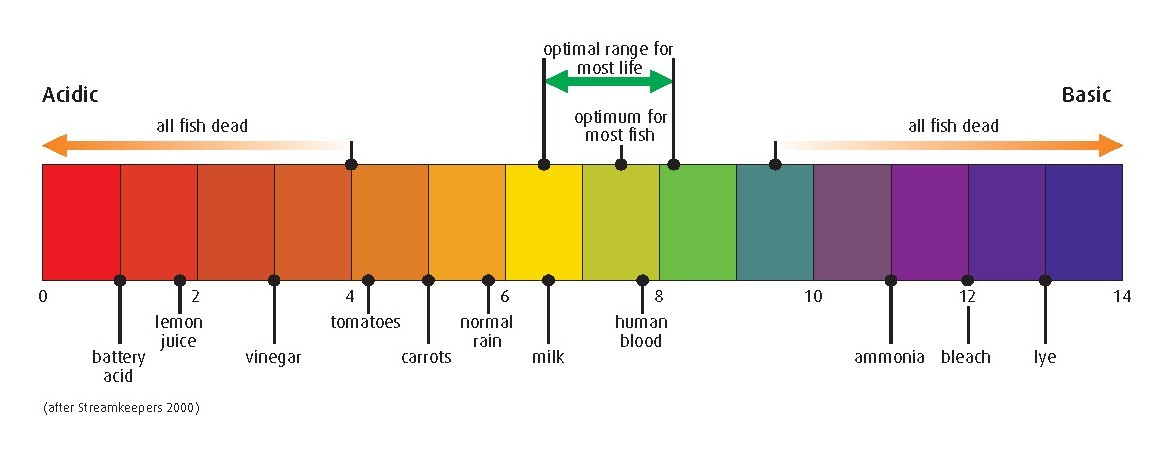
To measure the pH value I have used Arduino and pH meter module.
2. Turbidity of Water
Turbidity is the cloudiness or haziness of a fluid caused by large numbers of individual particles that are generally invisible to the naked eye, similar to smoke in theair. The measurement of turbidity is a key test of water quality.
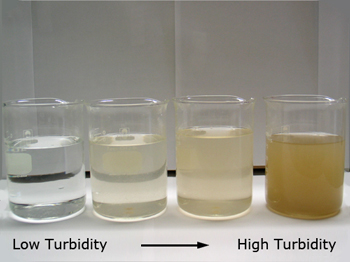
To measure the turbidity value, I have used Arduino and turbidity module.
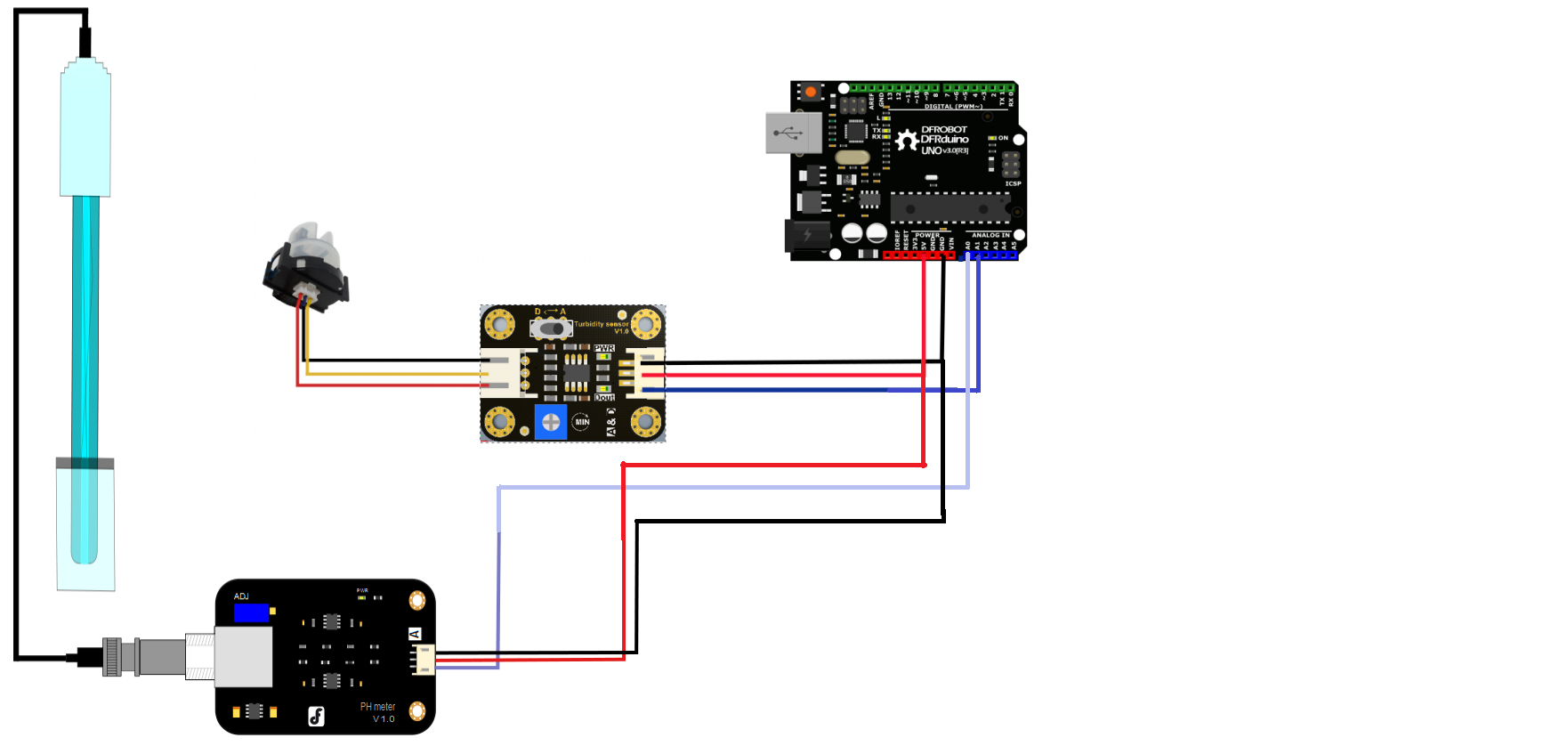
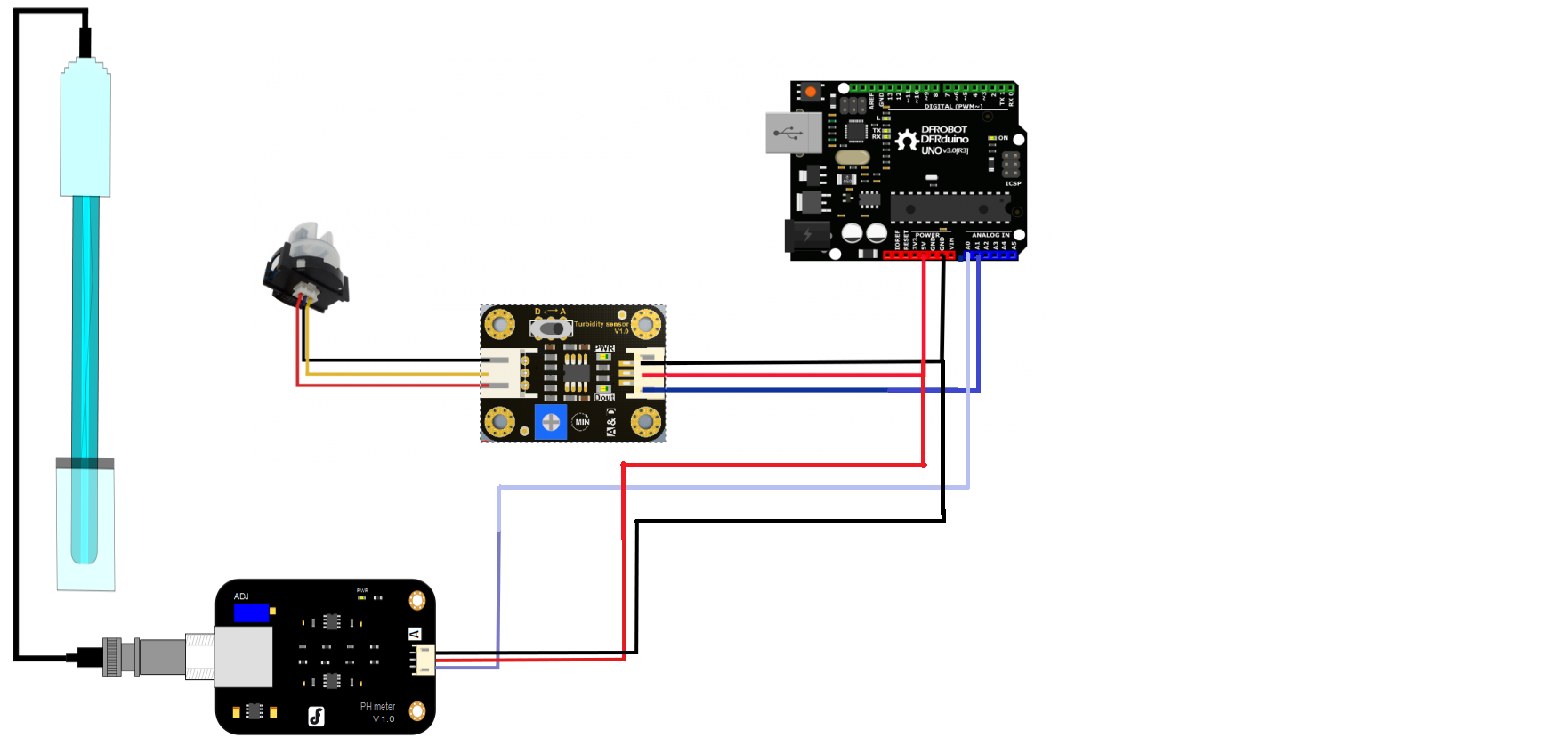
- Connect the Arduino and pH meter module as per the diagram, use the Analog Pin A0.
- Connect the Arduino and Turbidity meter module as per the diagram, use the Analog Pin A1.
- Download the Github Repo and deploy the code in Sensing-Earth-Sigfox-Water-Meter/Arduino/sketch.ino
- Open the Serial Monitor and check if your sensors are printing data.
3. Count the Number of Aquatic Animals with Walabot
Walabot is a device that uses Radio Waves to measure the objects around it. We are using walabot to map the thermal radiations emitted by living aquatic animals.
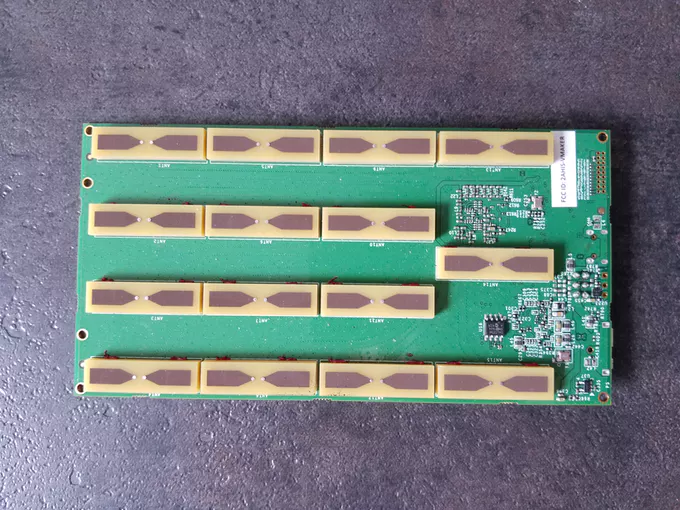
Note - Currently I am using Walabot just to count, but using Deep Learning Algorithms I will add theability to classify the species based on the raw images of walabot.
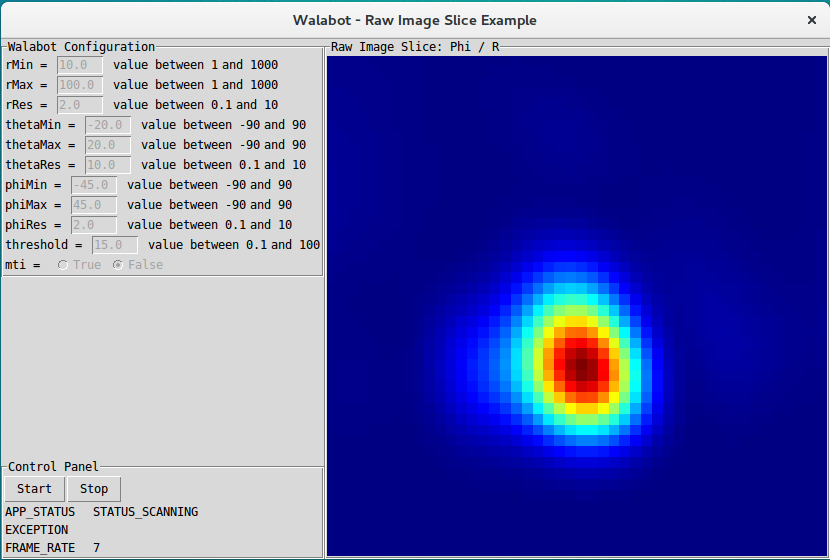
- Connect your Walabot to Raspberry Pi using a micro USB cable
- Install the Walabot SDK and the WalabotAPI Python library using pip.
- Connect your Sigfox shield.
- Download Github repo on Raspberry Pi from Sensing-Earth-Sigfox-Water-Meter/Pi/sigfox.py
- Follow up instructions for your shield from here.
- Add your Sigfox Credentials to the file and run it.
With the three data models pH, Turbidity and Number of Aquatic Species in a water body we can know how much the water body is polluted. Authorities can share this data with Industries who are responsible for it and they can take action to reduce pollution. Moreover, after certain measures we can also see if the aquatic life is populating or not and what are the factors which are responsible for their growth of population.
TestingI have tested it on my freshwater fish which I keep as a pet and I will now test it on different rivers and optimize my solution.
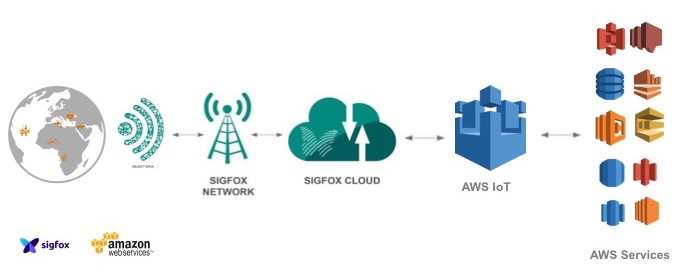
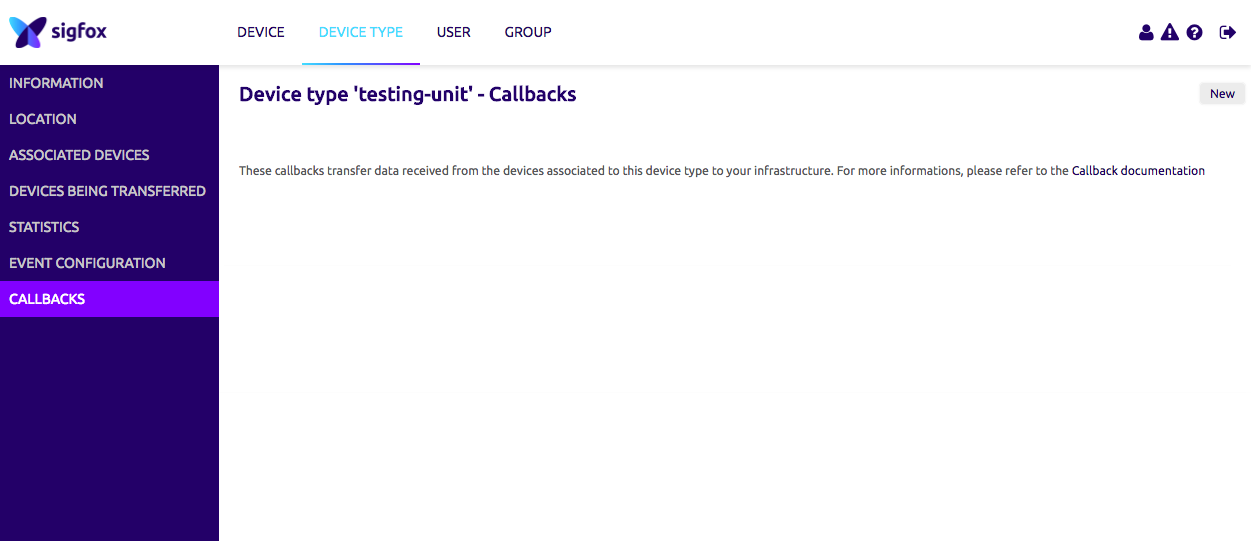
What's Next?Now the data is on the Sigfox Cloud we can use AWS IoT and Sigfox Webhooks to analyze this data.
You can follow the tutorial here.
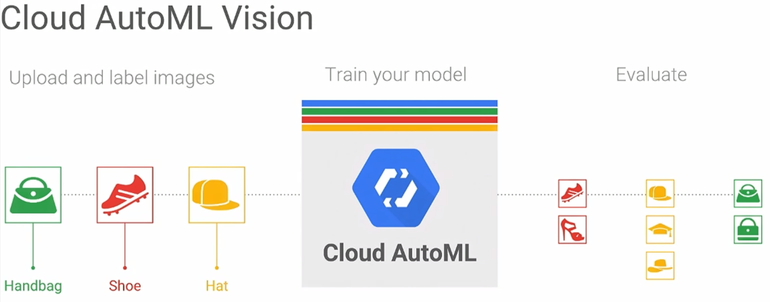
My project is still in progress and I want to add more and more features to it. The primary feature which I will be adding in thefuture is using Google AutoML or Custom Deep Learning Algorithm (whichever gives better results) so that we can determine how many different species are present in the water body and what is their quantity.
Code
Github
https://github.com/madhurgupta10/Sensing-Earth-Sigfox-Water-MeterSchematics
Manufacturing process
- Life Vests: History, Design, and the Future of Personal Flotation Devices
- Leveraging IoT for Early Wildfire Detection and Prevention
- Revolutionizing Firefighting: How IoT Enhances Safety, Response, and Rescue
- IoT Sensors Revolutionize Air Pollution Monitoring and Public Health
- IoT World: Inside Vertica’s Big‑Data Solution for IoT Analytics
- Capture Water Droplets in Action Using Arduino Nano – DIY High-Speed Photography
- Create a Web-Enabled IoT Gauge Using Arduino, Yaler, and IFTTT
- Build IoT Devices with Arduino and Octoblu’s The Tentacle—No Coding Required
- Arduino‑Powered HID UPS: Upgrade Your Dummy Power Supply to USB‑Compatible Backup
- Build an IR Sensor Project with Arduino UNO – Simple Guide