



Foundry Fundamentals: Mastering Metal Casting & Careers
A foundry is a facility that transforms raw metal into finished objects through melting, molding, and cooling. The earliest documented foundry, Cannon Shop, opened in Moscow in 1479. During the 14th and 15th centuries, European foundries were renowned for producing bronze and iron bells, cannons, and cannonballs. This guide explains how foundries operate, the roles of foundry workers, and how you can launch a career in this historic industry.
What Is a Foundry?
In essence, a foundry is a specialized metal‑casting plant. It houses furnaces, molds, safety equipment, and skilled operators who convert liquid metal into solid components by pouring it into precise molds and allowing it to cool.
What Do Foundries Do?
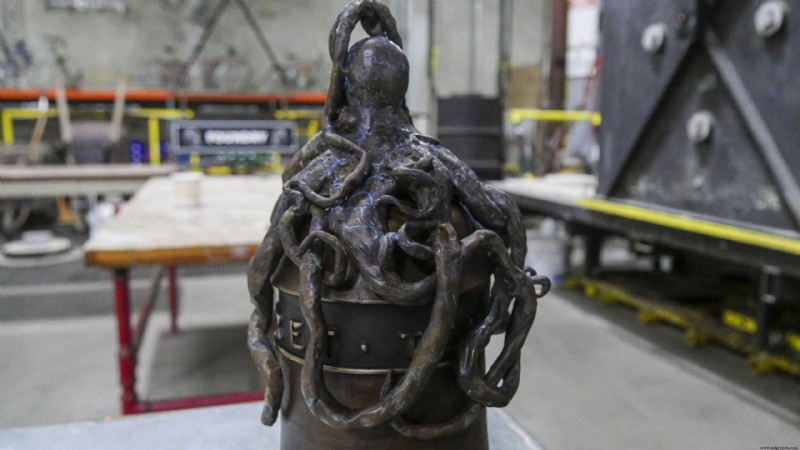
Foundries manufacture both ornamental and functional metal items. The casting workflow involves patternmaking, mold construction, metal melting, pouring, solidification, mold removal, and finishing. Molds may be ceramic shell, silica sand, plaster, or metal. Typical outputs include door hardware, cookware, machine parts, bronze sculptures, and bells—especially large cast pieces that demand robust production capacity.
Ferrous vs. Non‑Ferrous Metal Foundries
Foundries may specialize in ferrous metals—those containing iron—or non‑ferrous metals—those that do not. Ferrous metallurgy accounts for roughly 90 % of global metal production, whereas non‑ferrous metals such as aluminum, copper, lead, nickel, tin, titanium, zinc, and alloys like brass (copper‑zinc) and bronze (copper‑tin) are prized for their unique properties.
The choice between ferrous and non‑ferrous metals hinges on application needs. Aluminum’s lightweight nature makes it ideal for automotive parts, while cast iron’s heat‑resistance makes it perfect for cookware. Selecting the right metal ensures optimal performance and cost‑efficiency.
Metal Casting in a Foundry
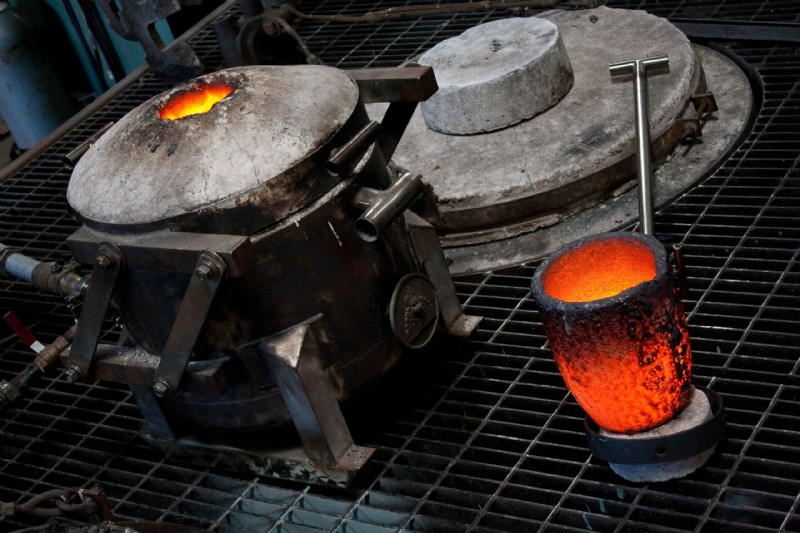
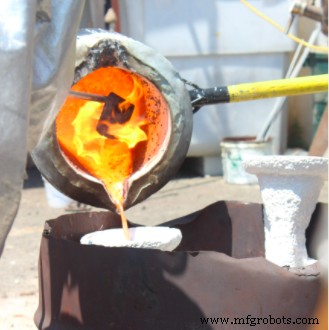
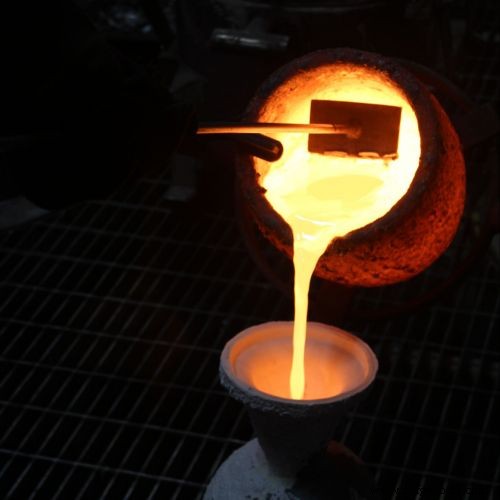
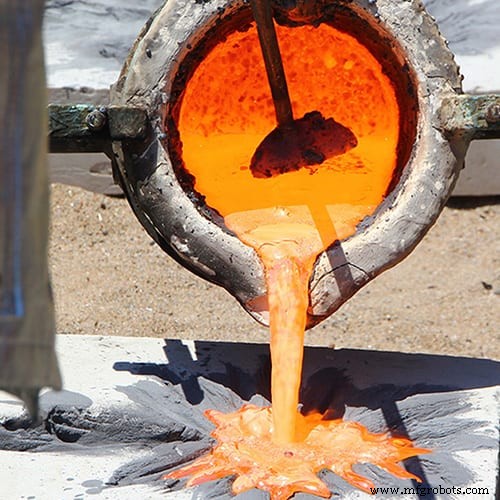
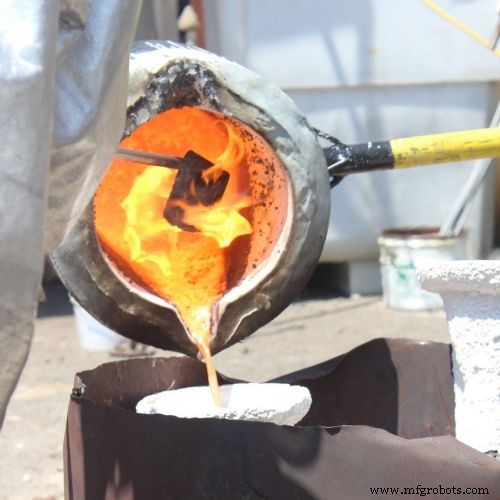
Metal casting is a 7,000‑year‑old craft that remains vital in both industry and art. Molten metal is transferred from a crucible into a mold, poured, cooled, and then extracted for finishing. Foundries can produce sand molds or ceramic shell molds, each suited to different projects. For deeper insight into casting techniques, consult a dedicated metal casting guide.
What Does a Foundry Worker Do?
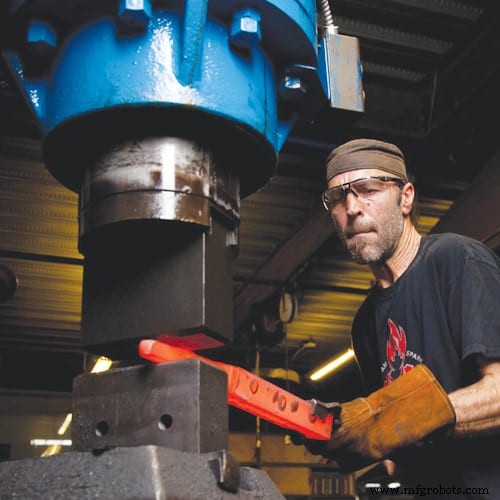
Foundry workers oversee the entire casting process: from melting metal and maintaining temperatures to operating machinery and inspecting finished pieces. The job demands physical strength for lifting heavy loads, manual dexterity for handling power tools, and coordination for safe operation of forklifts (certification required). In the United States, the average hourly wage is $15. While the work can expose employees to fumes, dust, and gases—raising risks of respiratory disease and cancer—proper ventilation and respirator use mitigate these hazards.
Considering a Career in Metal Casting?
Newcomers can start with introductory courses offered by The Crucible, which cover chemistry fundamentals, patternmaking, and basic casting steps. Advanced classes delve into complex techniques and metal finishing. A fully equipped wax room allows students to create patterns for aluminum, bronze, or iron. For those seeking deeper industry insight, the American Foundry Society offers additional training and certification opportunities.
Foundry FAQs
What Are the Main Risks in Foundries?
Chronic exposure to fumes, dust, and gases can cause irreversible respiratory disease, cancer, and other health issues. The CDC highlights the importance of adequate ventilation and respirators to protect workers.
Is Foundry Work Dangerous?
Safety must be the top priority. Personal protective equipment—including eye protection, closed‑toe shoes, heavy gloves, and natural‑fiber clothing—is mandatory when handling molten metal and open flames. Long‑term exposure to airborne hazards necessitates continuous ventilation and respirator use.
How Much Do Foundry Workers Make?
In the U.S., foundry workers earn an average of $15 per hour.
What Do Foundries Make?
Foundries produce a wide spectrum of cast metal objects—from decorative sculptures to plumbing components, machine parts, and everyday hardware—demonstrating their versatility across industries.
What Is a Foundry Operator?
A foundry operator manages the casting cycle, from pouring metal into molds to sanding and applying patinas. The role requires physical stamina, deep equipment knowledge, and a keen eye for quality control.
What’s the Difference Between Foundries and Casting?
Foundries are dedicated facilities that scale up metal casting, typically handling aluminum, bronze, and iron. In contrast, small‑scale casting—such as jewelry studios—focuses on precious metals and operates on a much smaller scale.
Explore More Metal Guides
Lost‑Wax Casting Guide
Explore the various lost‑wax casting methods—from metals to glass—and learn how to start your own projects with this beginner‑friendly guide.
Learn Foundry Arts
The Crucible’s Weekly Foundry Classes
3‑Hour Taster: Jewelry
Experience jewelry making without committing to a full course. A concise introduction covers basic metalsmithing skills before you create your own piece.
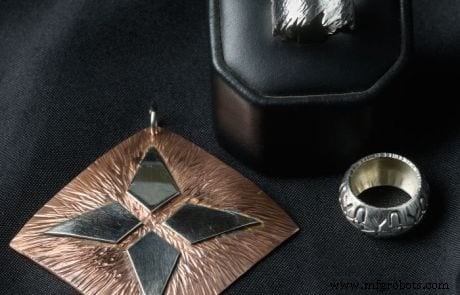
Jewelry & Metals I
Master fundamental techniques—sawing, filing, sanding, soldering, texturing, annealing, stamping, polishing, and design—while learning the properties of various metals.
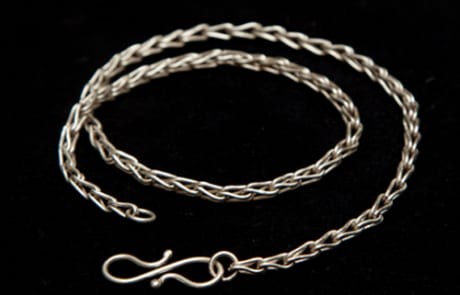
Exploration in Chainmaking
Learn to weave and craft Etruscan chains using hand tools, creating jump rings and woven patterns.
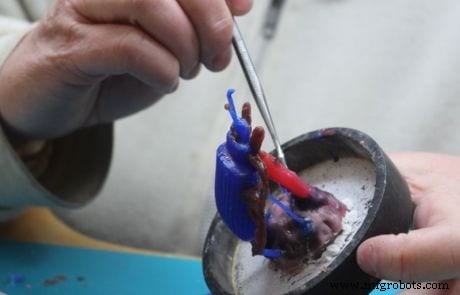
Casting Wax to Silver
Discover the ancient lost‑wax process to cast sculptural jewelry. Experiment with wax types to produce pendants, fob rings, or other small pieces.
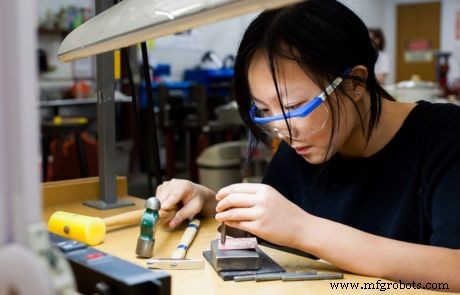
Jewelry Lab
Lab sessions allow students to refine skills on class assignments or personal projects under supervision.
Sand Casting Taster
Hands‑on experience pouring molten bronze into red‑sand molds, producing organic and unique castings.
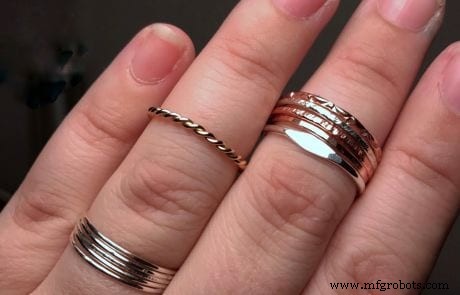
Elegant Stacking Rings
Learn basic soldering and metalworking to create stackable rings from sterling silver, copper, and brass. Take home a finished set.
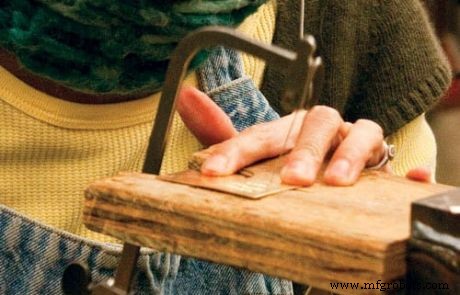
Jewelry & Metals II
Advance your skills with disk cutting, doming, bezel setting, rivet techniques, and design refinement.
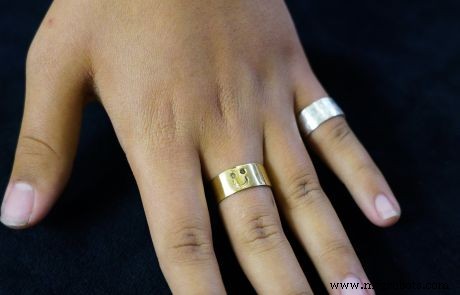
Youth Jewelry & Metals I
Create trendy jewelry using copper, silver, and other non‑ferrous metals. Design and produce your own pieces.
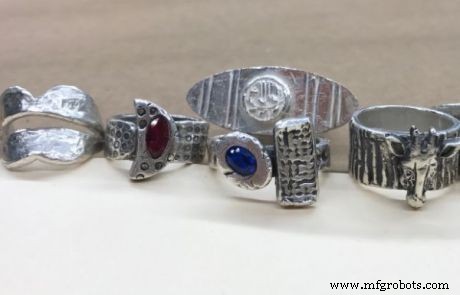
Metal Clay Rings
Craft multiple rings from copper and silver metal clay, mastering rolling, texturing, applique, carving, kiln firing, and finishing.
Youth Chibi: Miniature Figurines
Produce colorful polymer‑clay jewelry and miniature chibi‑style sculptures—a Japanese art style known for its adorable aesthetic.
Youth Jewelry & Metals II
Build on foundational metalsmithing skills, including advanced cutting, setting, and design techniques.
2022-03-28T12:25:40-07:00Manufacturing process
- Custom 3D‑Printed Stepper Motor: Build Your Own Precision Drive
- Professional Cleaning Guide for Precision CNC Machined Parts
- USB and Media Cables: Types, Uses & Selection Guide
- Optimizing CNC Machining: Process Division & Sequencing for Precision
- Inside Bank Vaults: History, Design, and Future of Security
- Tires: Comprehensive Guide to Definition, Applications, Components, Types & Materials
- Controlling 32 LEDs with Arduino Nano and 4x 74HC595 Shift Registers – A Beginner’s Guide
- MOSMusic Project Kit: MOSFET, Arduino, and More
- Precision Horizontal Band Sawing Machines for Fast, Accurate Cuts
- Melbourne’s Premier Custom Shear Blade Manufacturer – Choose Expert Craftsmanship for Peak Industrial Performance