



Copper vs Aluminum in CNC Machining: Selecting the Ideal Material for Performance and Cost
When engineers choose a material for CNC machining, copper and aluminum are the most frequently evaluated options across electronics, automotive, and industrial sectors. While both alloys provide distinct strengths, their machining behavior, cost profile, and performance characteristics differ significantly.
The decision extends beyond mere mechanical properties; it shapes machining efficiency, surface finish, and overall production cost. A clear understanding of copper versus aluminum empowers designers and procurement teams to make informed, value‑driven choices.
Overview of Copper and Aluminum
Copper’s reputation rests on its exceptional electrical and thermal conductivity, making it the material of choice for power distribution, heat exchangers, and any application demanding rapid energy transfer. Its corrosion resistance and durability further enhance its appeal.
Aluminum, meanwhile, is prized for its low density, excellent strength‑to‑weight ratio, and superior machinability. The alloy’s ease of cutting and ability to achieve smooth surface finishes make it a staple in CNC shops worldwide.
Although both materials are common, they excel in different contexts, and the best fit depends on the application’s specific demands.
Machinability Comparison
From a machining standpoint, aluminum consistently outperforms copper. Its softer structure permits higher cutting speeds, efficient chip evacuation, and reduced tool wear, translating into faster production cycles and lower machining costs.
In contrast, copper’s ductility leads to long, stringy chips that can clog the work envelope and require meticulous chip control. The material’s tendency to adhere to cutting tools raises the risk of built‑up edge (BUE), which can compromise surface finish and tool life.
Consequently, machining copper typically demands optimized cutting parameters, specialized tooling (such as high‑speed steel or carbide with advanced coatings), and heightened process control.
Thermal and Electrical Conductivity
Copper’s electrical conductivity reaches approximately 58% of the International Annealed Copper Standard (IACS), dwarfing aluminum’s ~45% IACS. This superior conductivity makes copper the preferred choice for:
- Electrical connectors and busbars
- Heat sinks and cooling systems
- Power transmission components
Aluminum remains a cost‑effective alternative in scenarios where slightly reduced performance is acceptable, especially when weight savings are paramount.
Strength and Weight Considerations
Aluminum’s low density—approximately 2.7 g/cm³ versus copper’s 8.96 g/cm³—makes it ideal for weight‑critical applications. In aerospace and automotive design, lighter parts enhance fuel efficiency and overall performance.
Alloys such as 6061 and 7075 provide a balanced combination of strength and lightness, allowing engineers to tailor the material to specific load conditions.
Copper’s higher mass limits its use in weight‑sensitive environments but offers benefits where mass and structural stability are essential.
Surface Finish and Post‑Processing
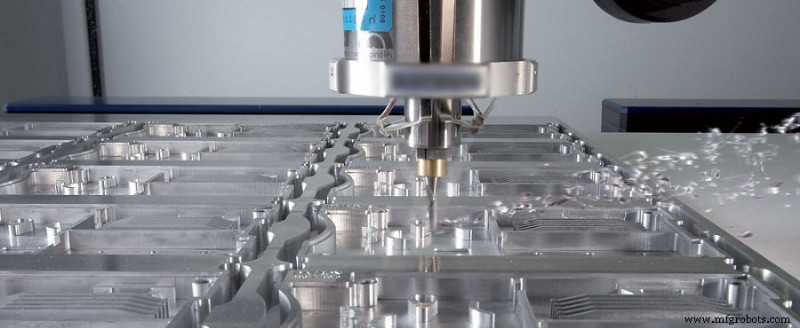
Aluminum typically delivers superior surface finishes during machining due to its lower tendency for tool adhesion and smoother chip flow. When cut with optimized parameters, tool marks are minimal and finish quality is high.
Copper can achieve excellent finishes, but it often requires stricter control of cutting conditions to avoid material smearing and tool adhesion. Both materials support post‑processing such as polishing, plating, and coating. Common treatments include anodizing aluminum for corrosion resistance and aesthetic enhancement, and plating or chemical passivation of copper to curb oxidation.
Corrosion Resistance
Aluminum naturally forms a thin, protective oxide layer that resists corrosion in outdoor and industrial environments.
Copper develops a verdigris patina over time; while this natural corrosion can be desirable in certain applications, protective coatings are often applied to preserve appearance and performance in harsher conditions.
Cost Considerations
From a procurement standpoint, aluminum is generally more affordable than copper, both in raw material cost and machining expenses. Its ease of machining cuts production time and tooling costs.
Although copper commands a higher price and presents greater machining challenges, its unmatched conductivity may justify the additional expense in high‑performance electrical and thermal systems.
Ultimately, the material choice hinges on whether performance requirements outweigh cost constraints.
Typical Applications
Copper Applications:
- Electrical components and connectors
- Heat exchangers and cooling systems
- Power transmission equipment
Aluminum Applications:
- Aerospace and automotive components
- Structural parts and enclosures
- Consumer products and industrial equipment
Each material excels in distinct scenarios, so application requirements remain the decisive factor.
How to Choose Between Copper and Aluminum
Decision criteria include:
- Performance needs: Opt for copper when maximum conductivity is critical; choose aluminum for balanced performance.
- Weight: Select aluminum for lightweight designs.
- Machining efficiency: Aluminum offers faster, more cost‑effective machining.
- Budget: Aluminum is generally more economical.
- Environment: Both provide good corrosion resistance, but their protective mechanisms differ.
In engineering practice, aluminum is the default for general machining tasks, while copper is reserved for specialized roles where conductivity dominates the decision matrix.
Conclusion
Copper and aluminum bring distinct strengths to CNC machining. Aluminum’s machinability, lightweight nature, and cost efficiency make it a versatile choice across many industries. Copper, with its superior electrical and thermal conductivity, remains indispensable for high‑performance electrical and thermal applications.
By understanding these material differences, engineers and buyers can align selection with performance, cost, and production goals, ultimately enhancing product quality and manufacturing efficiency.
Manufacturing process
- Choosing the Right EDM Wire Material: Why It Matters for Precision and Performance
- DIY Wall‑E Inspired Raspberry Pi CD‑Box Robot
- DIY Arduino Nano Oscilloscope (10 Hz–50 kHz) with 128×64 LCD
- Master the nRF24L01: Wireless Communication, Arduino Integration, Circuits & Code Guide
- Build an Android‑Controlled Remote Vehicle with Raspberry Pi Motor Shield
- Cost‑Effective Indoor Temperature Mapping with Low‑Cost Sensors
- Optimizing Anodizing for Precision Machined Parts: Process, Benefits, and Yield Improvement
- Precision Grinding & Machining Solutions for High-Performance Metal Components
- Build an Arduino-Driven Quadcopter: DIY Flight Controller Guide
- Portable Spot Welding Machines: Definition, Operation, and Key Advantages