



Optimizing Stainless Steel Machining: Proven Strategies to Minimize Tool Wear
Stainless steel’s high strength, corrosion resistance, and durability make it indispensable across aerospace, medical, automotive, and industrial sectors. Yet, from a machining standpoint, it remains one of the toughest materials to shape.
Tool wear is the most frequent challenge during stainless steel machining. Excessive wear inflates tooling costs and undermines surface finish, dimensional accuracy, and production efficiency. Mastering tool‑wear control is therefore essential for reliable, cost‑effective machining.
Understand Why Stainless Steel Causes Tool Wear
Stainless steel’s low thermal conductivity concentrates heat at the cutting edge, accelerating degradation. Its pronounced work‑hardening behavior means that any instability in the cut can harden the surface, making subsequent passes more difficult. Additionally, the material’s toughness raises cutting resistance, imposing higher mechanical stress on the tool.
Use the Right Cutting Tools and Coatings
Carbide inserts remain the benchmark for stainless steel due to their superior strength and heat resistance. Coatings such as TiAlN or AlTiN provide thermal protection and reduce friction, extending tool life by up to 40% in austenitic grades (NIST, 2023). Tool geometry also matters: a positive rake angle lowers cutting forces, while an edge that is properly ground prevents chipping under high loads. When available, stainless‑steel‑specific tools outperform general‑purpose inserts, especially in high‑precision work.
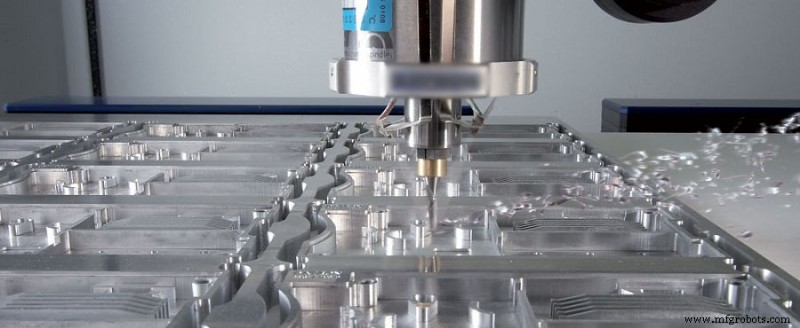
Optimize Cutting Parameters Carefully
Choosing the right speed, feed, and depth of cut is critical. Stainless steel typically demands moderate spindle speeds and controlled feed rates; too high a speed generates excess heat, while too low a speed can cause rubbing instead of cutting, both of which accelerate wear. Consistent feed eliminates interruptions that trigger work hardening. Depth of cut should stay below the hardened surface layer to keep the tool engaging with stable material.
Control Heat with Effective Cooling
Heat management is paramount. Because stainless steel dissipates heat poorly, proper coolant application is essential to keep the cutting zone cool. Flood cooling is common, but high‑pressure coolant systems can provide superior chip evacuation and temperature control. Insufficient cooling leads to rapid tool wear, built‑up edge formation, and a rough surface finish. Ensuring a steady coolant flow that reaches the cutting interface is key to prolonging tool life.
Prevent Work Hardening
Work hardening is the largest hurdle in stainless steel machining. It occurs when the tool does not cut cleanly—often due to dullness or inadequate feed—hardening the material and increasing tool wear. To avoid this:
- Keep tools sharp at all times.
- Avoid dwelling or pausing during the cut.
- Maintain proper feed rates for continuous cutting.
Monitor Tool Condition and Replace at the Right Time
Even with optimized processes, tools will eventually wear out. Replacing them before failure prevents poor surface finish, dimensional errors, and damage to the workpiece. Implement a tool‑monitoring system—whether scheduled replacement or real‑time vibration/force monitoring—to keep machining quality consistent and reduce unexpected downtime.
Conclusion
Effective stainless steel machining hinges on the right combination of tooling, cutting parameters, cooling, and process stability. By mastering these elements, manufacturers can reduce tool wear, enhance part quality, and control production costs.
Manufacturing process
- Recliner: From Classic Design to Modern Manufacturing
- Elevate Die & Punch Quality with Advanced CAD/CAM Technology
- Tin: From Bronze Age to Modern Industry – Uses, Production, and Future
- Helium: Properties, Production, and Global Supply
- Wireless IR Temperature Scanner – Arduino Nano with Bluetooth & MLX90614
- Harnessing Hydroelectric Power: A Comprehensive Guide
- Custom Dies: Ensuring Consistent Output in Multi‑Shift Operations
- 2‑Stroke vs 4‑Stroke Engines: Key Differences Explained
- Hydrogen Steelmaking: Reducing Carbon Footprint in Iron & Steel Production
- Build a Web-Based Two-Player Game with Arduino UNO & PHPoC WiFi Shield