



Custom Dies: Ensuring Consistent Output in Multi‑Shift Operations
Custom Dies: Ensuring Consistent Output in Multi‑Shift Operations
February 25, 2026
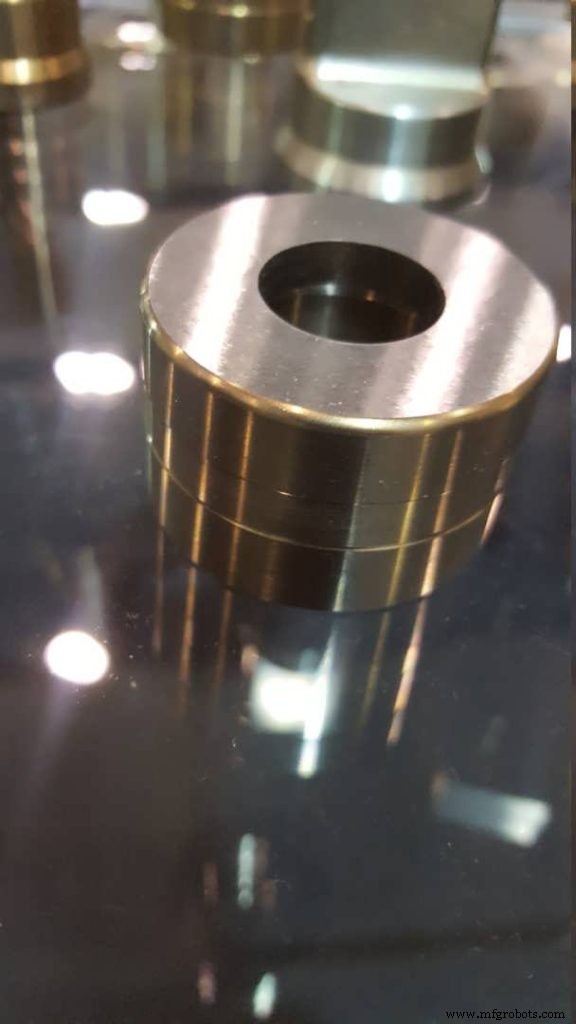
Gunna Engineering’s custom dies deliver unparalleled consistency across Melbourne’s multi‑shift production lines, thanks to precision engineering and durable tooling design.
Consistency Challenges in Multi‑Shift Manufacturing
Operating across rotating shifts introduces measurable variation in machine handling, setup calibration, and material behaviour. Small differences in operator input, thermal conditions, and tooling alignment can compound over time, affecting dimensional repeatability, surface integrity, and tolerance compliance. These inconsistencies become more pronounced in high‑volume environments where production runs span multiple shifts.
Precision‑engineered tooling tackles these challenges by embedding repeatability directly into the forming process. Purpose‑built dies reduce reliance on manual setup corrections and minimise variability during shift handovers, allowing teams to maintain stable forming performance that aligns with engineering specifications regardless of operator experience, production timing, or workload intensity.
Why Custom Dies Support Repeatable Output
Well‑engineered custom dies regulate forming pressure, material flow, and tool alignment throughout continuous production cycles. Controlled tooling geometry ensures each part is formed under identical conditions, even during extended or overnight operations. This level of process stability is essential for maintaining uniform output across multi‑shift schedules.
Precision die construction enables tighter tolerances, improved part consistency, and reduced dependency on post‑production correction. Lower rework rates and controlled scrap levels directly boost throughput efficiency, protecting production schedules and maintaining quality benchmarks in demanding operational environments.
Operational Benefits Across Multiple Shifts
Standardised tooling design delivers measurable performance improvements in round‑the‑clock manufacturing environments. Consistent tooling behaviour supports stable output quality across all shifts while reducing process variability.
The following benefits illustrate how engineered dies enhance production reliability during continuous operations:
- Tooling Repeatability: Consistent part geometry with minimal dimensional variation.
- Reduced Operator Dependency: Forming accuracy remains stable regardless of shift or operator experience.
- Lower Scrap Generation: Controlled tooling performance minimizes defects and material waste.
- Extended Tool Life: Balanced load distribution reduces uneven wear during prolonged operation.
- Faster Changeovers: Repeatable tooling setups cut downtime between production runs.
Engineering Factors That Enhance Die Performance
The performance in multi‑shift operations hinges on precise engineering and material integrity. Well‑designed tooling maintains stability, accuracy, and durability under continuous production demands.
Key design elements that directly influence die stability and long‑term operational accuracy include:
- Material Selection: Hardened tool steels resist deformation during prolonged use.
- Tolerance Control: Precision machining maintains dimensional stability across cycles.
- Surface Finishing: Polished die surfaces reduce friction and material stress.
- Load Distribution: Balanced force application prevents premature tool fatigue.
- Maintenance Planning: Predictable wear patterns support proactive servicing schedules.
Review the AS ISO 9001 quality management requirements for manufacturing consistency.
Manufacturing Consistency Through Engineered Tooling Solutions
Tooling designed for long‑duration use delivers consistent results across all operational shifts without compromising quality benchmarks.
Gunna Engineering designs and manufactures precision custom dies engineered to perform reliably in high‑output, multi‑shift manufacturing environments. Our engineering‑led approach focuses on dimensional accuracy, durability, and repeatable performance, enabling reduced downtime and stable production quality across extended operating cycles.
Contact us to discuss custom die solutions engineered for your production demands.
Related Blog Article: Punches and Dies Supplier: Custom vs. Standard Tooling – Which One Is Right for You?
Optimized by: Netwizard SEO
Manufacturing process
- Krypton: Properties, Production, and Uses
- Die Casting Explained: Principles, Types, and Industrial Applications
- Master Stepper Motor Control with Arduino & A4988 Driver – Step-by-Step Guide
- Precision Turned Components: Definition, Process, and Applications
- Build an ESP8266 Telegram Bot: IoT Control Made Easy
- Advanced Technologies to Enhance Iron Ore Sintering Efficiency
- Invisible Dog Trainer: Automate Couch‑Off Training with Raspberry Pi
- Mastering Power Hammers: A Comprehensive Guide for Modern Blacksmithing
- Install a Dark Theme in Arduino IDE: Reduce Eye Strain and Enhance Focus
- Roomberry: Building a Roomba‑Powered Surveillance Robot with Raspberry Pi Zero W