



Maximize CNC Longevity: Precision Tooling Fitment for Long-Term Machine Reliability
CNC Tooling Compatibility: Why Fitment Precision Matters for Machine Longevity
March 9, 2026
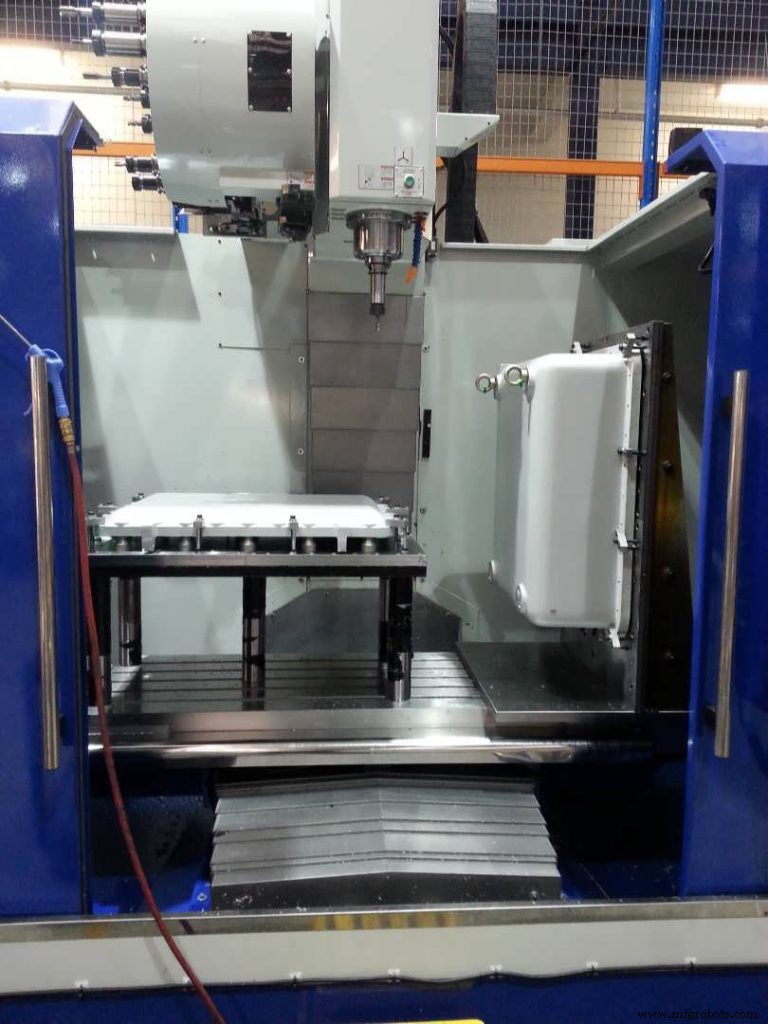 Improve CNC tooling compatibility with precision machining expertise from Gunna Engineering in Melbourne, supporting machine longevity and accuracy.
CNC machines depend on exact mechanical alignment to maintain consistent accuracy throughout their operating life. Tooling fitment directly influences spindle health, cutting stability, and long-term operational reliability. At Gunna Engineering, CNC tooling compatibility is fundamental to protecting machine components while delivering predictable and repeatable production outcomes.
How Tooling Fitment Influences CNC Machine Performance
Accurate tooling fitment supports machining stability and safeguards spindle assemblies from uneven mechanical stress. Dimensional inconsistencies between tool holders, cutters, and machine tapers can reduce positional accuracy, while proper interface alignment keeps cutting performance predictable across varying production demands.
Machining efficiency improves when tooling interfaces maintain full contact under operational load. Stable engagement reduces vibration, heat build‑up, and irregular wear. Frameworks such as the NIST information model for machine‑tool performance tests offer context on how structured evaluation supports machining accuracy and long‑term reliability.
Common Compatibility Issues That Reduce Equipment Life
Tooling interface problems often remain unnoticed until machining performance starts to decline. Minor deviations at the tool–spindle connection can compound under repeated cycles, eroding accuracy and increasing mechanical stress. CNC tooling compatibility issues typically manifest as measurable wear and operational instability.
Common compatibility risks include:
- Excessive Tool Run‑Out: Poor tool seating increases vibration during cutting operations. Over time, this accelerates tool wear and degrades surface finish quality.
- Incorrect Taper Matching: Improper taper contact places uneven load on the spindle interface, leading to gradual alignment loss and premature wear.
- Tool Retention Inconsistency: Unstable tool seating allows minor movement under cutting loads, steadily reducing machining accuracy.
- Material Incompatibility: Unsuitable tool materials increase cutting resistance and heat generation, shortening tool life and compromising consistency.
- Imbalanced Tool Assemblies: Uneven mass disrupts stable spindle rotation at operating speeds, elevating vibration and accelerating bearing fatigue.
Selecting Tooling Systems That Support CNC Tooling Compatibility
Precision tooling systems must align with machine specifications, spindle interfaces, and operational tolerances. CNC tooling compatibility improves when holders, collets, and cutters are selected as an integrated system rather than isolated components. Controlled fitment reduces dynamic loading and supports stable machining behavior across extended production cycles.
Long‑term machine reliability depends on consistent tooling interfaces and verified tolerances. Standardised tooling assemblies preserve spindle accuracy while reducing unplanned downtime. Routine inspection and timely replacement further protect machine geometry and machining consistency.
Optimised Tooling Integration for Long-Term CNC Reliability
Gunna Engineering produces precision‑machined components using modern CNC machining processes. Every part is manufactured with controlled tooling fitment to support dimensional accuracy and repeatable production quality. This approach to CNC tooling compatibility preserves machine integrity while delivering consistent outcomes across production runs.
For precision‑focused machining support that protects long‑term performance, contact us.
Related Blog Articles:
- Trusted CNC Milling Solutions: Get Durable, High‑Performance Tooling You Can Trust
- Cutting Tooling Components: Blades, Inserts, and Tool Holders for Precision Manufacturing
- How Custom Dies Improve Output Consistency in Multi‑Shift Operations
- Top Signs Your Ironworker Tooling Needs Replacement or Re‑Grinding
Optimized by: Netwizard SEO
Manufacturing process
- Machining Center vs. Turning Center: Expert Comparison & Guide
- Accurate Solar Radiation Measurement Using Arduino UNO and Ethernet Shield
- Thompson Submachine Gun: From Innovation to Iconic Legacy
- BLE Bot 9000: Advanced Bluetooth‑Enabled Arduino Robot Kit
- Key Drivers of CNC Machining Costs: What You Need to Know
- Detecting and Controlling Inclusions in Continuous‑Cast Steel for Superior Quality
- Send & Receive SMS Easily with the GSM SIM900 Shield for Arduino Mega
- Control an 8x8 LED Matrix with Arduino Nano—No Drivers or Libraries Needed
- Advanced Production & Processing of Armour Steel for Superior Lightweight Protection
- Servo Motors Explained: How They Work and Why They Matter