



Key Drivers of CNC Machining Costs: What You Need to Know
CNC machining has become a cornerstone of precision manufacturing, powering everything from aerospace to medical devices. For engineers and buyers, a clear grasp of the cost drivers is essential for budgeting, sourcing custom parts, and streamlining production.
While pricing varies across suppliers, the following factors consistently exert the greatest influence on the final cost. Understanding them helps you make informed decisions and negotiate more effectively.
1. Material Selection
The choice of material often dictates the bulk of the machining expense. Hardness, machinability, density, and thermal conductivity all determine how quickly a part can be machined and how much tool wear will occur.
- Soft metals such as aluminum cut quickly, allow higher spindle speeds, and generate less tool wear, driving down overall cost.
- Hard metals—stainless steel, titanium, Inconel—require slower feeds, specialized cutters, and more frequent tool changes, which significantly raise the price.
- Exotic materials like carbon‑fiber composites, high‑performance plastics, or superalloys often demand custom setups, multi‑axis machining, or chemical‑assisted processes, adding to the cost.
Even within the same material family, grades with higher strength or corrosion resistance increase machining time and wear, impacting pricing directly.
2. Part Complexity and Geometry
Complex geometries, tight tolerances, undercuts, and deep cavities necessitate advanced planning and more precise machining, all of which inflate costs.
Multi‑axis machining: 4‑axis and 5‑axis setups allow the tool to approach from multiple angles, requiring additional fixtures and multiple setups—costing more per part.
Tight tolerances: Achieving micrometer‑level precision demands higher‑quality tools, slower speeds, and rigorous quality control, adding to the price.
Surface finish requirements: Achieving a high‑grade finish may involve extra passes, specialty abrasives, or chemical smoothing, all of which increase the bill.
In short, the more intricate the design, the more time, skill, and technology are required, and the higher the cost.
3. Part Size and Production Volume
Both dimensions and quantity influence pricing.
Part size: Larger components consume more material, need longer machining times, and sometimes require larger machines or custom fixturing, all of which raise costs.
Production volume: Small batches or prototyping runs carry a higher per‑unit cost because setup time and programming are amortized over fewer parts. High‑volume runs spread these fixed costs across many units, reducing the price per part.
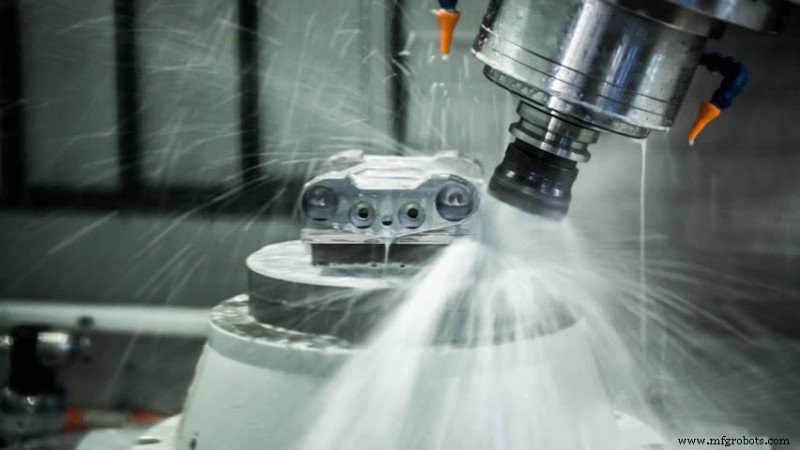
4. CNC Machine Type and Technology
The machine itself is a key cost driver.
3‑axis machines are the most economical for simple shapes.
4‑axis and 5‑axis machines unlock complex geometries but come with higher equipment costs and longer programming.
Specialty machines—Swiss lathes, multi‑spindle units, or mills with automatic tool changers—can deliver speed and precision for intricate parts, often at a premium.
Manufacturers equipped with advanced CAM, real‑time monitoring, and automated toolpath optimization may charge more, but these technologies usually reduce scrap and enhance overall quality.
5. Tooling and Setup
Tooling decisions and setup complexity significantly affect the bill.
Tool wear: Hard materials or high‑volume runs erode cutters quickly, necessitating frequent replacements. High‑performance coatings (e.g., TiN, diamond) are often required for precision parts.
Setup time: Complex parts demand meticulous alignment, clamping, and program testing, increasing labor costs. Some shops list setup fees separately.
Fixtures and jigs: Custom fixtures ensure stability during machining but add labor and material expenses.
Balancing setup complexity against production efficiency is essential to keep costs in check.
6. Machining Time and Skilled Labor
Even the most automated CNC processes rely on experienced operators for programming, setup, and monitoring.
- Longer machining times directly raise labor costs.
- Multi‑step processes and in‑process inspections add to overall production time.
- Seasoned operators can fine‑tune cutting parameters to maximize efficiency and avoid defects, a critical advantage for precision parts.
7. Secondary Operations and Post‑Processing
Many CNC parts require additional work to meet functional or aesthetic standards, which can constitute a substantial portion of the total cost.
- Heat treatment to improve hardness or strength.
- Surface treatments such as anodizing, plating, or coating.
- Polishing, deburring, or smoothing to achieve the desired finish.
- Assembly or testing for multi‑component assemblies.
Even if the primary machining step is efficient, these secondary operations can significantly impact pricing.
8. Material Waste and Efficiency
- Material efficiency drives cost—high scrap rates inflate raw material expenses, especially for premium metals.
- Optimized toolpaths and nesting reduce waste and machining time, lowering overall pricing.
9. Market Factors and Location
External variables also play a role.
- Labor costs vary by region; high‑wage countries naturally incur higher machining expenses.
- Material prices fluctuate, particularly for steel, aluminum, and titanium.
- Supply‑chain logistics and lead times can affect cost, especially when materials are imported or need expedited delivery.
Even with advanced technology and skilled labor, these market forces shape the final price of precision CNC parts.
Conclusion
Mastering these cost drivers empowers engineers and buyers to optimize designs, plan budgets, and negotiate effectively. Working with experienced manufacturers and applying design‑for‑manufacturability principles can slash CNC machining costs without sacrificing quality, precision, or efficiency.
CNC machining remains a versatile, high‑precision solution. By addressing the key cost factors, companies can balance performance and affordability, securing a competitive edge in today’s manufacturing landscape.
Manufacturing process
- Choosing the Right CNC VMC Machines for Your Workshop: A Practical Guide
- Concrete Beam Bridge: Design, Construction, and Future Trends
- RGB LED Backlight with MSGEQ7 Audio Visualizer for TV and Desk
- Vietnam Cast Iron Co., Ltd. – Comprehensive Aluminum Casting Process Flowchart
- The Tuba: From 19th‑Century Innovation to Modern Craftsmanship
- Arduino Tennis Game – Build a Virtual Racquet Experience with NeoPixel, Sensors, and Bluetooth
- Mastering Color Matching in Anodized Aluminum Parts
- Seamless MQTT Integration: NodeMCU DHT22 Sensors with Raspberry Pi 3 B+ as Broker
- The Evolution, Design, and Manufacturing of Lawn Mowers
- Wi‑Fi Controlled FPV Rover Robot with Arduino & ESP8266 – DIY Guide