



12 Proven Maintenance Templates to Streamline Operations & Cut Admin Time
Scott Britton’s maintenance team was drowning in paperwork. After a 12‑hour shift, the next crew spent an hour scouring pages of notes left by their predecessor, while urgent maintenance requests sat on Post‑its and scraps of paper. The chaos was palpable.
“The administrative load was eating into the time we could spend on actual maintenance,” Scott, General Manager of Operations at Rambler Metals & Mining, explains. See how Scott’s team broke free from the admin avalanche here.
Templates are the fastest path from disorder to a well‑oiled maintenance machine. They reduce the effort of creating new processes from a 10 to a 5 on the effort scale, giving you a solid foundation to build on.
Below are 12 expert‑crafted templates—plus free downloads—that cover everything from policy creation to failure analysis. Each section includes a quick primer on how to use the template, ensuring you can start implementing right away.
1. Asset Management Policy Template
Download your asset management policy template
What It Covers
Defines guiding principles, roles, and performance metrics that embed asset stewardship into your company culture.
- Broad principles and strategic intent
- Clear roles, responsibilities, and implementation roadmap
- Integration plan across departments
- Goals, service levels, inventory guidelines, and maintenance standards
Sample Policy Statement
In managing the assets of (Insert Company), we are committed to:
- Connecting departments to foster collaboration and information sharing.
- Using data‑driven decisions to maximize customer value.
- Considering all life‑cycle stages in every decision.
- Recognizing interdependencies across asset systems.
How to Use It
Use the policy as the backbone for larger initiatives—maintenance programs, reliability projects, or multi‑site request systems—ensuring scope, intent, and roles are clearly documented from the start.
2. Maintenance Strategy Template
Download your maintenance strategy template
What It Covers
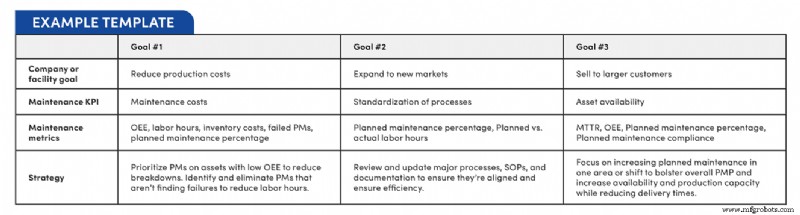
A four‑step framework that aligns maintenance objectives with corporate goals, metrics, and focus areas.
How to Use It
Begin by listing desired metrics. If existing processes can’t capture that data, plan to implement sensors or adjust work orders. This dual‑plan approach keeps current operations efficient while driving toward strategic targets, making it easier to secure buy‑in and budget.
3. Asset Criticality Template
Download your asset criticality template
What It Covers
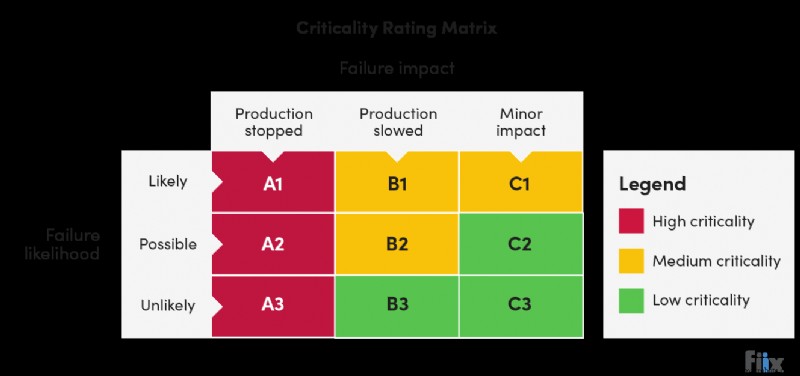
Calculates risk priority numbers (RPN) using a 1–6 scale for failure probability and impact. The product yields a 6–36 score, classifying assets by criticality. Alternative 9‑point scale used by Fiix CMMS is referenced here (Professional and Enterprise tiers only).
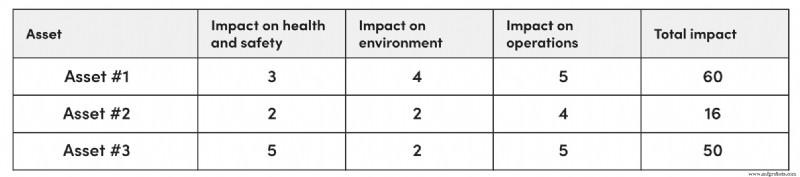
Another method assesses health, safety, environment, and operations on a 1–5 scale, multiplying to a total criticality score.
How to Use It
Integrate criticality into preventive schedules: high RPN assets may justify less frequent checks, while low RPN ones may need tighter monitoring. Use the data to prioritize emergency kits and resource allocation.
4. Preventive Maintenance Checklist Template
Download your preventive maintenance checklist template
What It Covers
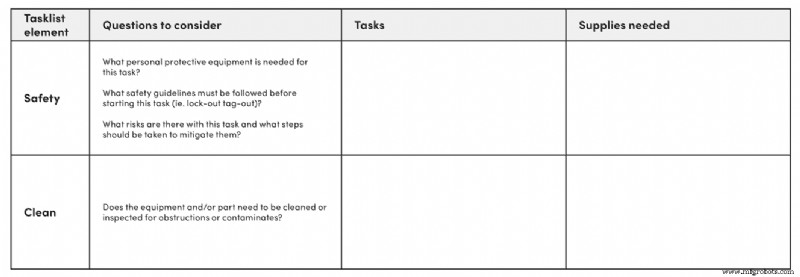
Streamlines the creation of checklists for the typical 2,000 annual tasks a maintenance team manages. It lists eight common steps, required tools, and prompts for critical information.
How to Use It
Shadow an experienced technician to capture accurate steps, then track expected vs. actual time for each task. Over time, identify bottlenecks—such as safety gear prep or parts retrieval—and refine processes.
5. Maintenance Backlog Prioritization Template
Download your maintenance backlog template
What It Covers
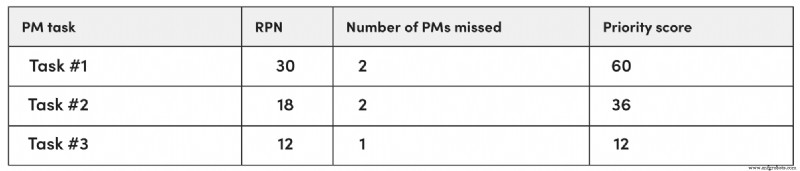
Balances task impact (using criticality analysis) with lateness to produce a priority score, eliminating bias and guesswork.
How to Use It
When resources are limited, pair backlog scores with FMEA data to focus on the riskiest components. This targeted approach reduces failure risk without requiring full task completion.
6. Parts Purchasing & Management Checklist
Download your MRO inventory management checklist
What It Covers
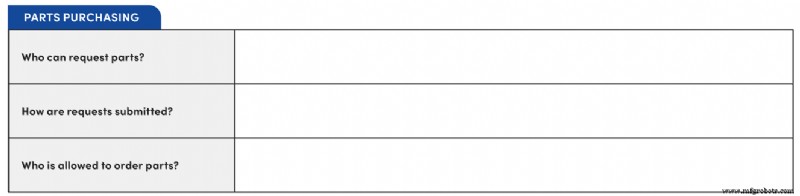
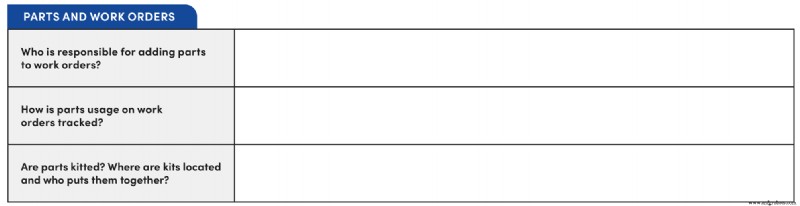
Five categories—purchasing, work orders, security, inventory optimization, and receiving—provide a comprehensive framework for standardizing parts workflows.
How to Use It
Fill in any blanks promptly; unknowns drive risk. Use the checklist as a living document—review it in team meetings and adjust processes based on feedback.
7. Parts Kitting Template
Download your parts kitting template
What It Covers
Groups parts by asset and event, allowing you to pre‑assemble kits for routine or critical tasks. This saves 5–10 minutes per job, totaling over four hours saved annually.

How to Use It
Prioritize kits for failures that are hard to detect, likely, and highly impactful. Quick access to parts accelerates repair and reduces downtime costs.
8. Maintenance Budget Template
Download your maintenance budget template
What It Covers
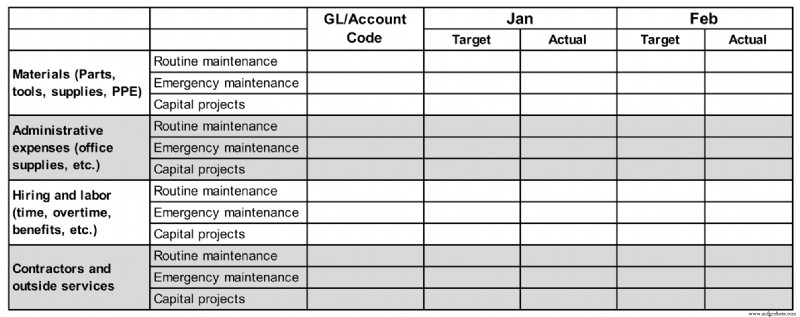
Breaks expenses into functional areas and maintenance types by month, tracking target vs. actual spend. End‑of‑period summaries highlight over‑ or under‑spending.
How to Use It
Use budget insights to justify hiring, training, or software investments. For example, if contractor costs rise, consider internal skill development to reduce reliance on external expertise.
9. Maintenance Schedule Template
Download your maintenance schedule template
What It Covers
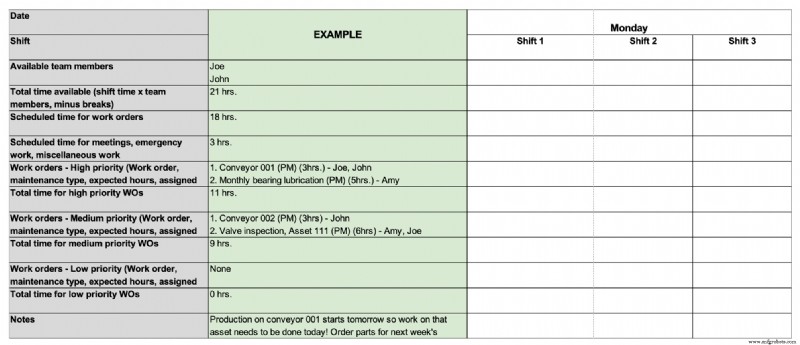
Tracks who works, what tasks are completed, and what the implications are for future shifts. It segments work by priority and maintenance type.
How to Use It
Leverage backlog hour data to build a case for additional staff. Analyze task durations to uncover process inefficiencies and refine SOPs.
10. Pitch Deck Template for Maintenance Projects
Download your pitch deck template
What It Covers
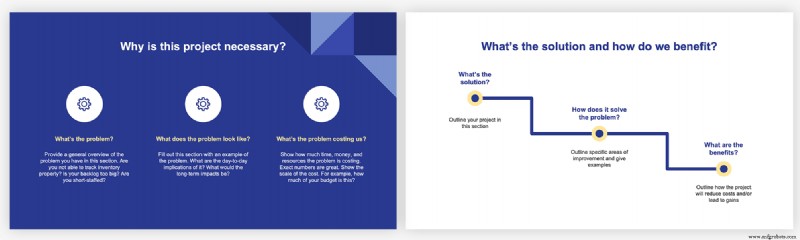
A framework that frames problems, solutions, alignment with business goals, proof of concept, risk mitigation, ROI, and next steps.
How to Use It
Quantify downtime, benchmark against industry data, and calculate cost per hour lost. Use compelling narratives—like a technician’s overtime story—to humanize the impact and win executive support.
11. Root Cause Analysis (RCA) Template
What It Covers
Guides the 5‑Whys methodology, leading to a clear root cause, corrective action, and implementation plan.

How to Use It
Encourage diverse perspectives to mitigate bias. Run parallel investigations and compare results before finalizing the root cause.
12. Failure Mode and Effects Analysis (FMEA) Template
What It Covers
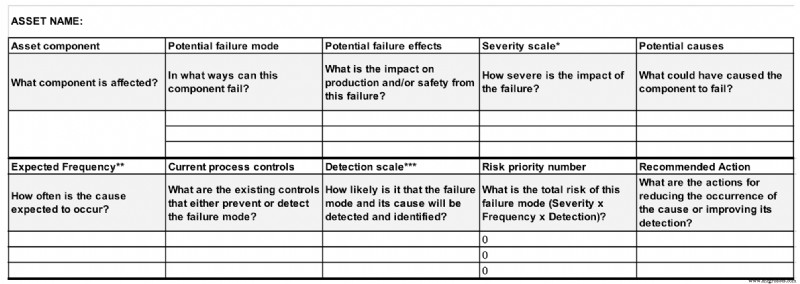
Walks you through severity, likelihood, detectability, and mitigation planning for each failure mode.
How to Use It
Identify high‑impact, high‑frequency failures that are hard to detect. Build emergency response plans that include kitted parts, detailed troubleshooting guides, and clear communication pathways.
Equipment Maintenance and Repair
- Emerson & Shell Announce Five-Year Global Framework for Automation and Services
- Digital CMMS Outperforms Pen & Paper in Cutting Facility Downtime
- Everest Packaging Enhances Efficiency with Custom eMaint CMMS Integration
- Essential Guide to Purchasing Used Heavy Equipment: A Proven Checklist
- Proven Strategies to Cut Maintenance Costs Without Cutting Staff
- Unlock Asset Value with Design‑Operate‑Maintain (DOM) Integration Today
- Beyond Maintenance: A Holistic Approach to Boost Equipment Availability
- How to Test VFD‑Powered Motors with MCEMAX and Power Analysis
- Industries We Serve: Expertise in Food, Defense, Automotive, Mining, Agriculture, and Energy
- How a Cat® Customer Value Agreement Enhances Equipment Management and Reduces Operational Burden