



How a Work Order Management System Eliminated Downtime for a Wastewater Facility
Max Collins improved maintenance visibility, bridged communication gaps, and streamlined wastewater operations with a modern work order system.
Read on to discover how he transformed maintenance at a regional wastewater plant.
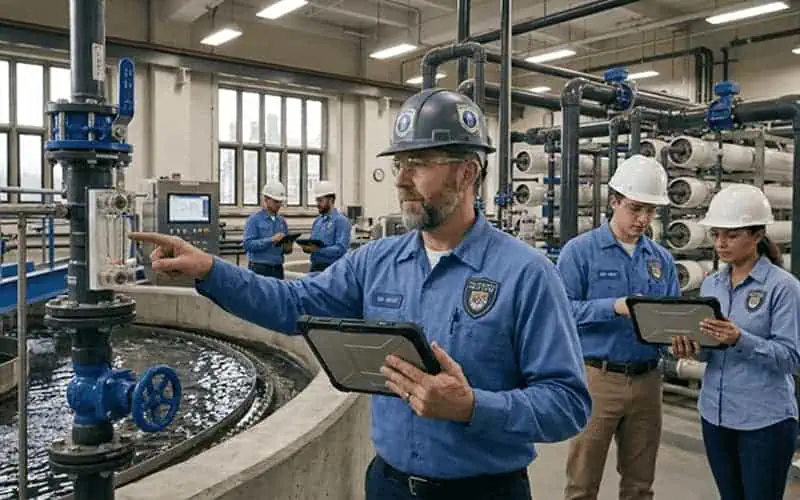
A robust work order management system elevates maintenance visibility and slashes downtime across wastewater treatment equipment.
Unplanned failures in wastewater plants can trigger far more than just repairs—they threaten operational continuity, regulatory compliance, and cost control. One overlooked issue can halt treatment, increase exposure to penalties, delay reporting, and rack up expensive downtime.
These facilities operate under strict environmental and operational standards. Maintenance visibility and rapid response directly influence reliability and compliance. According to UN‑Water, only 38% of industrial wastewater is safely treated worldwide, underscoring the critical need for precise operational control and maintenance accountability.
Max Collins, a 38‑year‑old maintenance coordinator, juggled repair requests, technician scheduling, preventive maintenance timelines, and operator follow‑ups across multiple treatment zones. Every shift depended on quick, coordinated responses to keep operations running without compromising compliance or equipment reliability.
A single missed repair request exposed the urgency of a centralized work order system.
Continue reading to see how Max redefined maintenance coordination and operational visibility.
Growing Maintenance Demands Outpace Manual Coordination
The plant’s dozens of interconnected systems ran 24/7, requiring continuous inspections, preventive maintenance, and instant response to emergent issues.
Repair requests—from leaking pipes and worn components to calibration faults—quickly multiplied, making coordination a complex task. Operators documented problems via emails, spreadsheets, handwritten notes, and phone calls, scattering critical details across channels and hampering consistent prioritization and progress tracking.
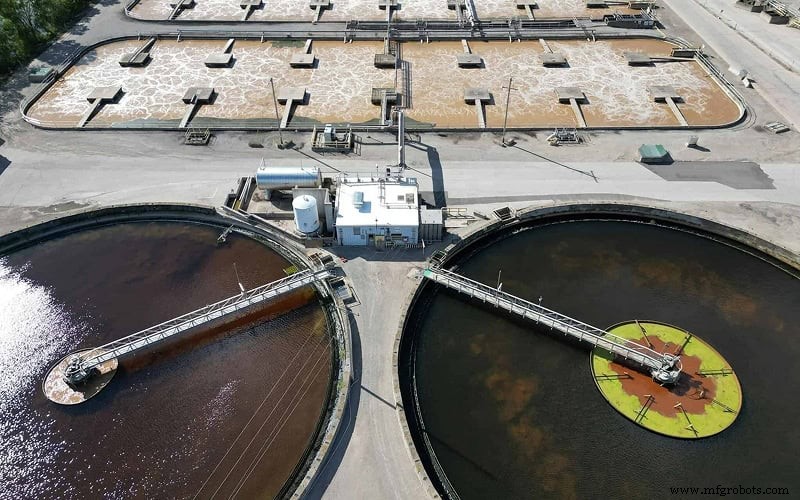
Technicians lost valuable hours chasing updates, confirming ownership, and revisiting incomplete requests that passed through shifts without clear accountability.
One Missed Maintenance Request Triggers a Costly Disruption
On a busy Monday, an operator spotted a leaking valve near the filtration system. Though initially manageable, the leak risked disrupting water flow and treatment stages. The operator emailed a maintenance request before moving on.
Because the request never entered a centralized workflow, no one verified task ownership, priority, or deadline. Max assumed the repair was assigned, while technicians expected it to be addressed in the next shift after nearby work.
Over two days, the leak worsened, forcing a partial shutdown to prevent further complications. Technicians were pulled from preventive maintenance, and operators scrambled to realign workloads and maintain plant stability.

The incident highlighted how critical maintenance issues could slip through the cracks without a centralized system, and the potential for even greater operational and compliance risks.
A Digital Work Order System Brings Structure, Visibility, and Accountability
After the shutdown, Max realized the facility could no longer rely on disconnected communication. The team turned to eWorkOrders, a centralized platform that logs, prioritizes, assigns, and tracks service requests in real time.
Adoption was swift. Operators now submit requests through a single portal; tasks are automatically logged, prioritized, assigned, and tracked from start to finish.

Technicians receive instant notifications, update orders from mobile devices, attach photos, and close tasks on the spot. Within weeks, the plant saw measurable improvements:
- Maintenance coordination became structured and transparent.
- Service requests no longer vanished during shift changes.
- Delayed repairs were quickly identified, and workloads balanced.
- Issues were resolved before escalating into larger disruptions.
The plant also built a searchable maintenance history for critical equipment, enabling teams to spot recurring problems and refine preventive maintenance schedules.
For Max, the transformation was more than faster repairs—it was visibility, accountability, and proactive control that replaced constant firefighting.
Centralized Coordination Prevents Future Downtime
Replacing fragmented communication with a unified work order system has turned reactive maintenance into a proactive, efficient process. For facilities managing complex operations and critical equipment, structured coordination is essential for reducing downtime, boosting technician productivity, and staying audit‑ready.
Unlike rigid legacy solutions, eWorkOrders offers configurable workflows, mobile accessibility, real‑time tracking, and rapid deployment—enabling maintenance teams to operate efficiently without unnecessary complexity.
As maintenance demands grow, modernizing coordination positions facilities to prevent disruptions before they impact operations.
Discover how eWorkOrders helps wastewater treatment plants reduce downtime, improve maintenance visibility, and streamline workflows.
Book a Demo Now!
FAQs
1. How can a work order system prevent missed requests?
A centralized system automatically logs, assigns, prioritizes, and tracks maintenance requests from submission to completion. It delivers real‑time visibility, accountability, and alerts that prevent issues from slipping through.
2. Can maintenance software realistically reduce downtime?
Yes. Continuous operations mean even minor failures can cascade. Structured coordination accelerates response, refines preventive schedules, and eliminates communication delays that often lead to avoidable downtime.
3. Will technicians adopt a digital system in the field?
Modern platforms are field‑friendly. Technicians access orders on mobile devices, update progress, attach photos, and document work onsite—reducing paperwork while enhancing accuracy.
4. How does a work order system support compliance and audit readiness?
All records—inspection histories, repair logs, and service activities—are stored automatically, making retrieval during inspections or audits swift and reliable.
5. Is replacing spreadsheets worth the change?
For growing facilities, manual coordination creates bottlenecks and communication gaps. Digital coordination boosts accountability, streamlines workflows, and empowers teams to manage increasing demands with confidence.
Replace Reactive Maintenance Chaos with eWorkOrders’ Rapidly Deployable CMMS Platform
eWorkOrders eliminates fragmented coordination with centralized workflows, real‑time tracking, and mobile‑first management. It offers configurable workflows, fast deployment, and transparency tailored to demanding treatment environments.
- Real‑time maintenance visibility
- Mobile technician coordination
- Preventive maintenance automation
- Faster work order resolution
Take control of maintenance before operational issues become downtime.
Book a Demo Now!
Brian Roscher is VP of Product Development at eWorkOrders, bringing nearly 30 years of hands‑on experience in maintenance management and industrial operations to the platform’s evolution. He began his career in the pharmaceutical industry, working on site maintenance at Hoechst, Aventis, and Sanofi—experiences that exposed him to the exacting standards of regulated production environments, laboratory systems, and GMP‑compliant maintenance operations. Since joining eWorkOrders in 1995, Brian has leveraged that real‑world foundation to shape a CMMS built for the full spectrum of maintenance complexity—from power plants and heavy production to laboratories and general facilities. His writing reflects decades of practical knowledge about what maintenance teams need to reduce downtime, manage assets, and build reliable preventive maintenance programs that endure in demanding settings.
Equipment Maintenance and Repair
- Expert Fuel Storage Management: Safe & Efficient Practices
- [Case Study] Eliminating Tons of Waste Annually – Our Custom Flour Dispensing Solution
- Lubrication Excellence: Lean Strategies for Reliable Manufacturing
- 12 Proven Practices for a Successful CMMS Implementation
- Choosing the Right Generator: Gas vs. Diesel Explained
- Tecpetrol Cuts Maintenance Costs 62% and Boosts Production with Emerson Smart Wireless Technology
- Maximizing Chain Longevity: Expert Tips for Maintenance and Replacement
- Arc Flash Protection: Strategies, Myths, and Enclosure Solutions
- Essential PLC Troubleshooting Tips to Minimize Downtime
- Konecranes Launches Truconnect Remote Crane Services for 24/7 Reliability