



Three Proven Strategies to Restore Control Over Your Preventive Maintenance Program
Three Proven Strategies to Restore Control Over Your Preventive Maintenance Program
Preventive maintenance (PM) is a systematic schedule of planned actions designed to forestall breakdowns and extend equipment life. Across industries, rigorous PM programs have consistently shown reduced asset deterioration, longer useful life, and lower long‑term capital costs. By catching wear before it becomes failure, PM protects both the bottom line and operational reliability.
Unfortunately, many facilities drift away from their PM schedules as emergency repairs consume the same labor pool. When repair hours outpace scheduled maintenance hours, the cycle of postponement accelerates. A simple audit—comparing unscheduled repair hours to PM hours—often reveals the root cause: either PMs are being performed late or not at all. Without intervention, the facility manager faces a “fire‑fighting” environment where prevention gives way to reactive firefighting.
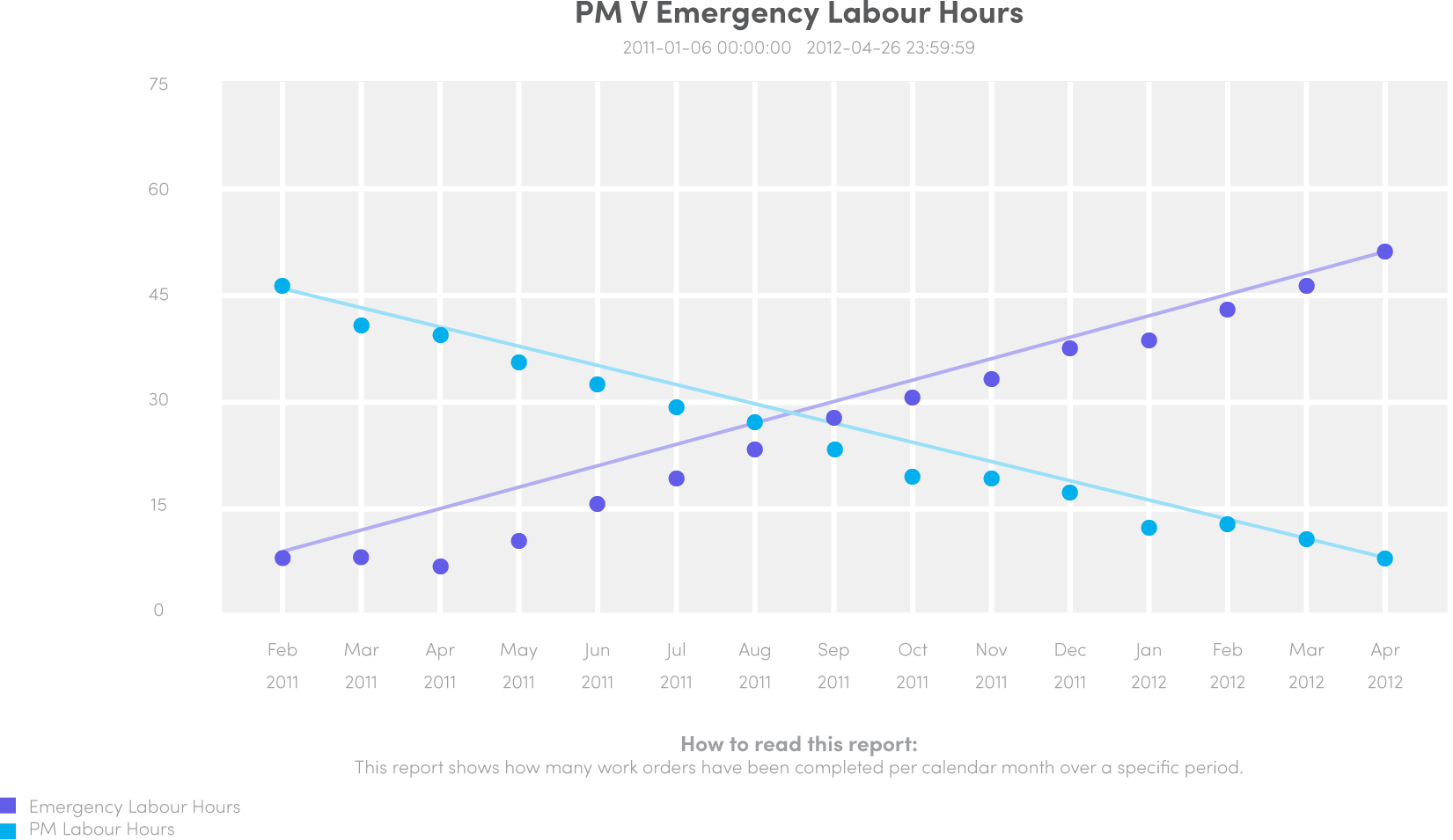
Below are three actionable steps to quickly regain control of your PM program and reduce unscheduled downtime.
1. Track Your Preventive Maintenance in a CMMS
A robust Computerized Maintenance Management System (CMMS) centralizes all PM data—schedules, work orders, costs, and checklists—into one accessible platform. With a CMMS, managers can verify that tasks are completed in the correct sequence, monitor labor and material usage, and generate real‑time status reports for stakeholders. This visibility turns maintenance from an ad‑hoc activity into a data‑driven process.
2. Apply the 10% Rule to Scheduled Intervals
The 10% rule states that a PM task should be finished within 10% of its scheduled interval. For example, a quarterly inspection set for 90 days must be completed within 9 days of its due date to remain compliant. By tightening the window, you reduce schedule drift, maintain consistent asset performance, and lower the risk of unexpected failures.
3. Monitor Key Metrics and KPIs
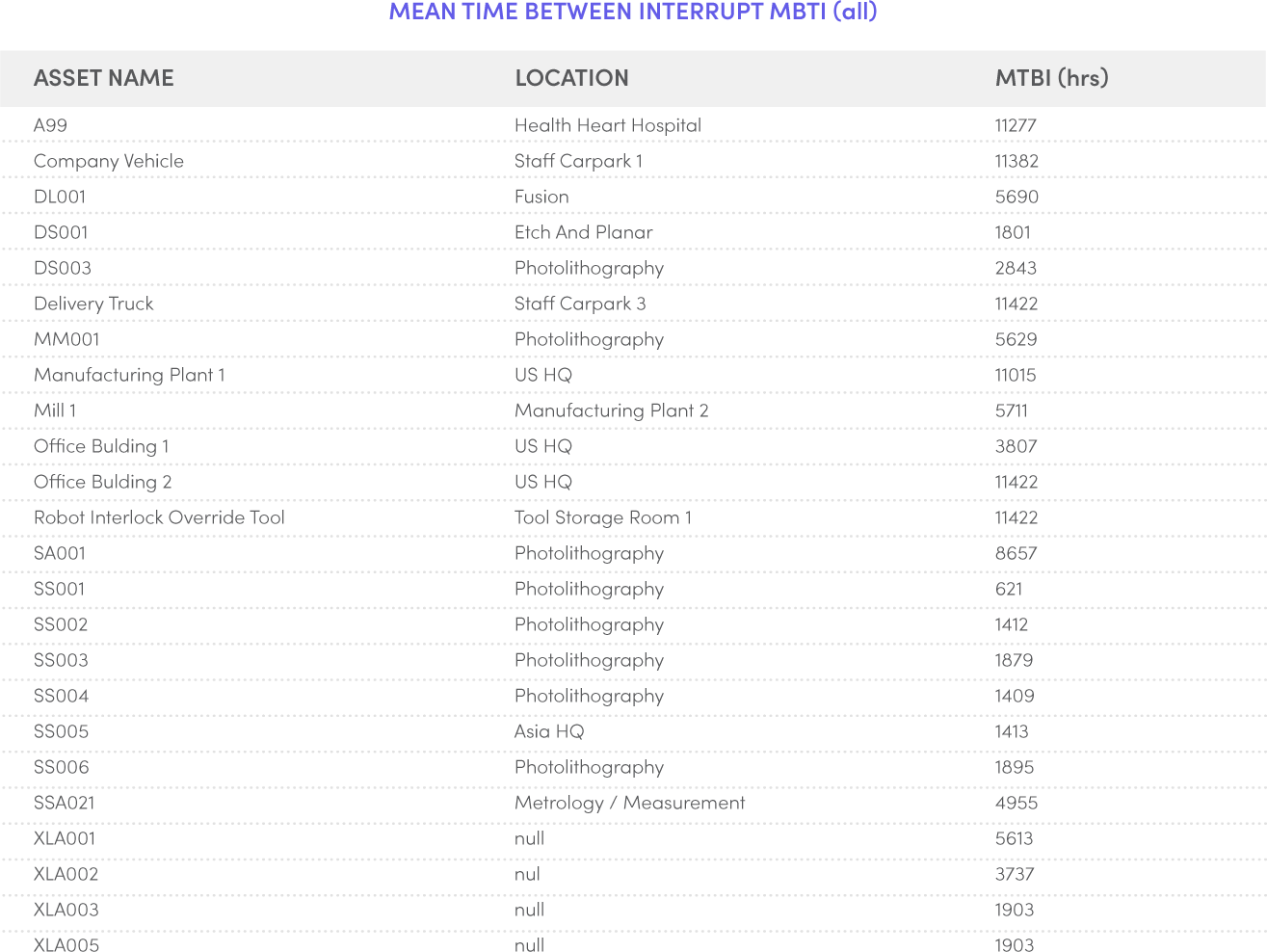
Integrating data into your CMMS unlocks powerful analytics. Track metrics such as Mean Time Between Failures (MTBF), PM compliance rates, and the criticality percentage of assets. These KPIs illuminate performance trends, highlight under‑performing equipment, and inform strategic decisions—whether to repair, replace, or overhaul. Evidence‑based insights ultimately drive higher reliability and a stronger return on investment.
By adopting a CMMS, enforcing the 10% rule, and rigorously tracking metrics, you transform reactive maintenance into proactive asset stewardship—leading to fewer unscheduled repairs, extended equipment life, and a healthier bottom line.
Equipment Maintenance and Repair
- Eight‑Step Blueprint for a Robust Preventive Maintenance Program
- Preventive vs. Predictive Maintenance: Mastering Equipment Reliability
- 5 Essential Steps to Launching a High‑Performance Preventive Maintenance Program
- Preventive Maintenance: How Proactive Care Drives Reliability & Saves Costs
- Preventive Maintenance: A Comprehensive Guide to Reliability, Cost Savings, and Equipment Longevity
- Leveraging Weight‑Loss Discipline to Build Sustainable Maintenance Excellence
- Three Proven Steps to Build a Sustainable Reliability Program
- Proactive Maintenance: Essential Strategies for Reliability and Cost Savings
- Preventive Maintenance: A Path to Higher Asset Availability & Lower Costs
- 8 Essential Tips for a Successful Preventive Maintenance Program