



Meltric Introduces Decontactor Switch‑Rated Plugs to Replace Obsolete Safety Switches
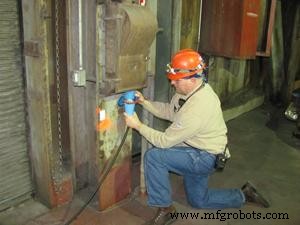 Meltric Corporation now offers UL‑ and CSA‑certified Decontactor switch‑rated plugs and receptacles, enabling safe retrofits of outdated safety switches without costly interlocks.
These devices are approved for motor‑circuit and branch‑circuit disconnect switching, featuring a dead‑front design that guarantees contacts are electrically dead before removal. The mechanism also ensures a safe make‑or‑break of live connections, protecting personnel from arc flashes even under short‑circuit conditions.
Installing a Decontactor is straightforward: remove the original safety switch receptacle, mount an adapter plate on the switch, and attach the Decontactor receptacle to the plate. No conduit bending or wire pulling is required, allowing rapid, cost‑effective retrofits while retaining the existing safety switch, over‑current protection, and enclosure.
The robust casings withstand harsh environments, and spring‑assisted terminals prevent conductor settlement. With up to five auxiliary contacts, engineers can combine control and power circuits into a single connection.
Any qualified employee can safely connect and disconnect equipment in a fraction of the time, reducing downtime and maintenance costs.
For more information, visit www.meltric.com.
Equipment Maintenance and Repair
- Reliability Excellence for Managers (RxM) – Elevate Your Maintenance Leadership with LCE
- Electrical Safety: How to Prepare for Absence‑of‑Voltage Testing
- ISMI Launches RAMCalc: Web‑Based Tool for SEMI E10‑Standard Equipment Reliability Metrics
- Reliability Excellence: The Key to Safer, More Profitable Operations
- Proactive Maintenance Safety: A Comprehensive Guide for Industrial Professionals
- Essential Dockboard Safety Tips: Protect Your Team & Assets
- 4 Essential Safety Tips for Driving in Winter
- 7 Essential Tips to Enhance Safety in Industrial Fluid Systems
- Essential Safety Protocols for a Secure Plant Shutdown
- Essential Summer Trench Safety & Shoring Guide: OSHA‑Approved Best Practices