



Fishbone Diagrams: A Proven Tool for Maintenance Troubleshooting
Fishbone Diagrams for Maintenance
Fishbone diagrams, also known as Ishikawa or Cause‑and‑Effect diagrams, are a structured brainstorming tool that visualises the underlying causes of a specific event. When a maintenance team faces a puzzling fault, the diagram helps break the problem into manageable categories, allowing the team to systematically isolate the root cause and identify effective corrective actions.
How Fishbone Diagrams Work
The core idea is to map out all potential contributors to a malfunction, grouping them into broader themes. For example, if a ground‑crew engineer finds that an aircraft compressor has failed, the diagram can categorize the causes as:
- Personal: Crew members involved in maintenance or repairs
- Machinery: The technology and equipment itself
- Materials: Raw parts that make up the aircraft
- Measurements: Inspection and testing processes
- Environment: Weather, geography, and other external factors
- Methods: Procedures and work methods used during maintenance
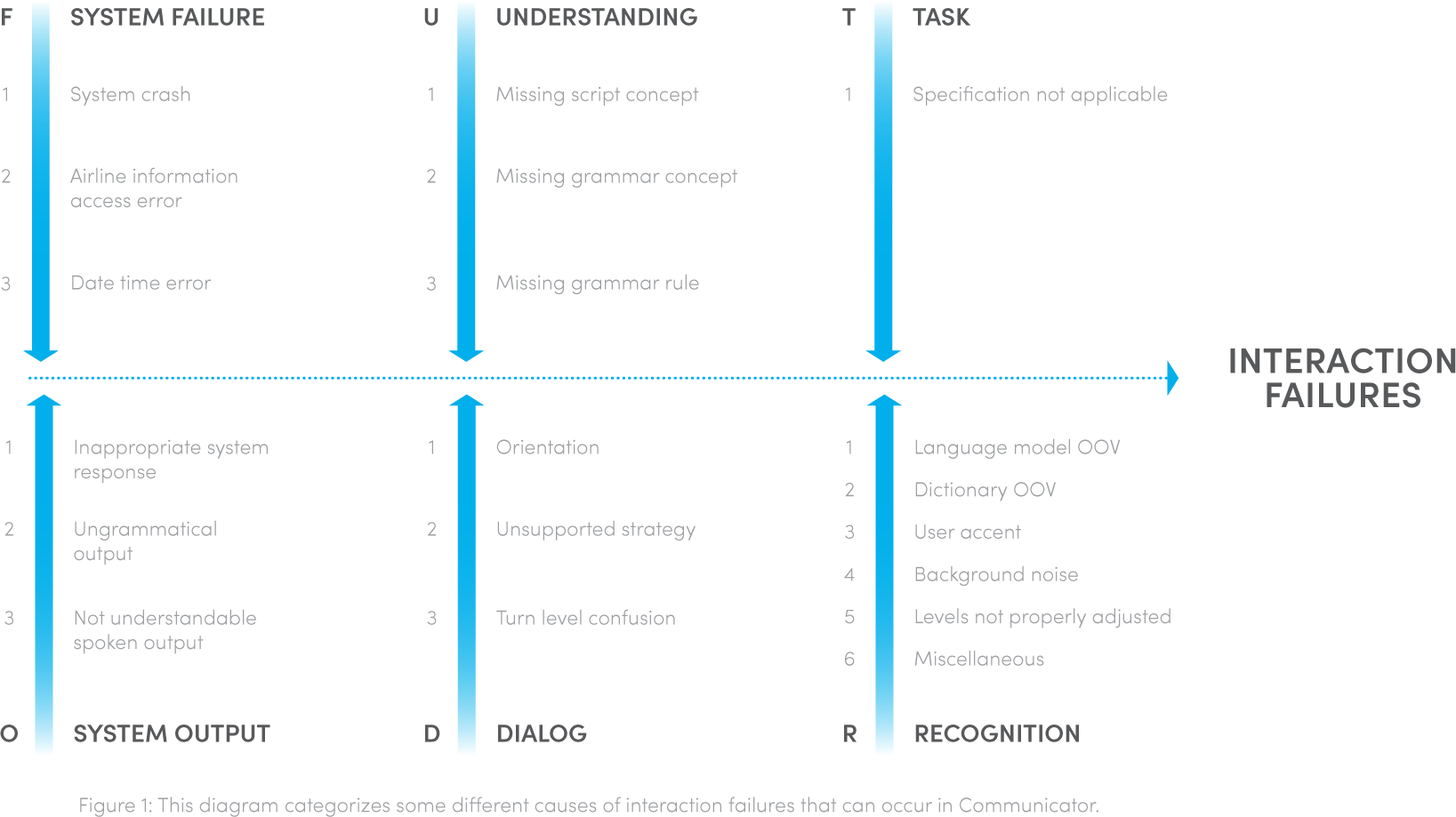
Once the high‑level categories are established, the diagram is refined by adding sub‑causes under each theme. Continuing the compressor example, you might uncover:
Materials: Raw Parts
- New components installed incorrectly
- Defective or poorly inspected parts
Personal: Crew Involved
- Improper installation by a technician
- Tools left inside the compressor housing
- Over‑stress applied by the pilot during flight
Environment
- Bird strike or debris impact
Measurements: Inspection
- Wear noted during turbine inspection
- Inventory records indicating recent activity around the aircraft
By progressively narrowing down from broad categories to specific factors, the diagram helps the team converge on a likely root cause. For instance, the most plausible hypothesis could be that a technician installed a part incorrectly, leading to compressor failure during flight. Targeted inspections can then confirm this theory, reducing aircraft downtime and informing preventive measures.
Complementary Troubleshooting Tools
Fishbone diagrams work well alongside other root‑cause methods, such as the 5‑Whys technique. While the 5‑Whys offers a quick, iterative approach, the fishbone diagram provides a comprehensive visual map that captures all potential influences, making it especially useful for complex mechanical, electrical, or operational issues.
In aviation maintenance, identifying recurrent failures early allows teams to stock critical spare parts, adjust inspection schedules, or modify procedures—ultimately cutting downtime and boosting productivity. A well‑crafted fishbone diagram is a simple yet powerful process of elimination that leads to faster, more reliable problem resolution.
Equipment Maintenance and Repair
- Titanium Alloys in Modern Civil Aircraft: Applications and Impact
- Understanding Ladder Diagrams: Design, Wiring, and Safety in Industrial Control Systems
- Understanding Venn Diagrams: Visualizing Set Relationships
- Understanding Boolean Relationships Using Venn Diagrams
- Business Jet: Evolution, Materials, and Manufacturing Process
- Hamilton Aerospace Receives Fourth Consecutive FAA Diamond Certificate for Maintenance Training Excellence
- Top Aircraft Technicians Crowned Winners in First AMTSociety Maintenance Skills Competition
- Bombardier Unveils Optimized Maintenance Schedule for CSeries Aircraft
- When Aviation Maintenance Fails: How Neglect Leads to Lives Lost
- New Lightweight Aerogel Cuts Jet Engine Noise by 16 dB