



How 3D Printing Is Revolutionizing Aircraft Cabin Interiors
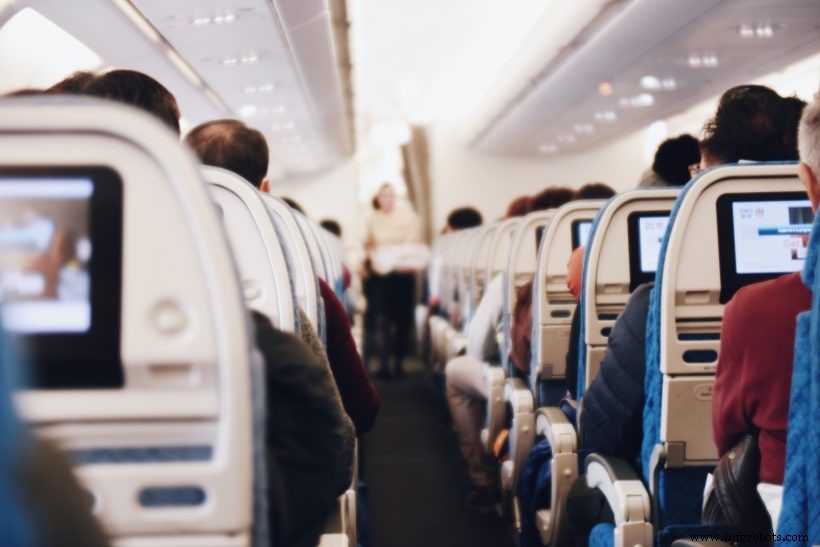
While most passengers never notice it, the armrests, tray tables, and other cabin components on modern aircraft are increasingly coming from 3D printers. This technology unlocks cost‑effective customization, rapid production, and on‑demand spare‑part manufacturing—key benefits for airlines looking to reduce operating costs and improve passenger experience.
In this article we explore the main drivers behind 3D‑printing cabin parts and showcase real‑world examples from leading aerospace companies.
Other topics in our 3D‑printing series: 3D‑Printing for Heat Exchangers, Bearings, Bike Manufacturing, Digital Dentistry, Medical Implants, Rockets, Footwear, Electronics, Rail, Eyewear, End‑Part Production, Brackets, Turbine Parts, Hydraulic Components, and Nuclear Power.
Why Adopt 3D Printing for Cabin Parts?
Cabin Design Innovation
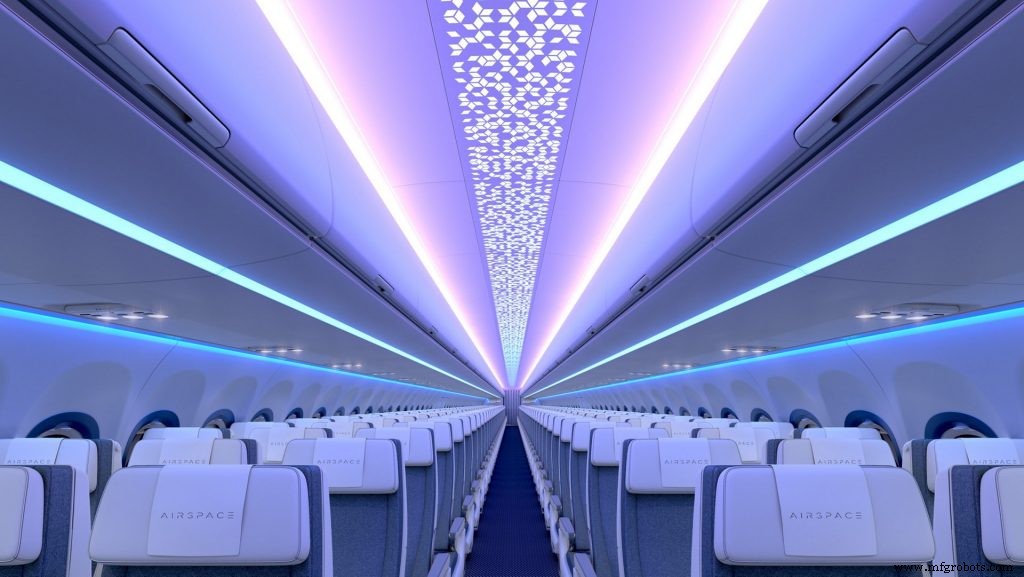
Airlines constantly seek ways to elevate the in‑flight experience, and cabin design is a critical lever. Custom interiors that fit specific airline workflows are increasingly achievable with additive manufacturing because it eliminates the need for expensive, reconfigurable tooling. The result is faster, more cost‑effective production of bespoke components.
Weight Reduction
Fuel costs dominate airline operating expenses. Traditional manufacturing limits how much weight can be shaved from components. 3D printing enables optimized part geometry—thinner walls, lattice cores, and integrated assemblies—that save material and reduce mass. Lightweight cabin parts built with advanced polymers can be up to 55 % lighter than their injection‑molded counterparts, directly translating into fuel savings and lower CO₂ emissions over an aircraft’s lifespan.
On‑Demand Spare‑Part Manufacturing
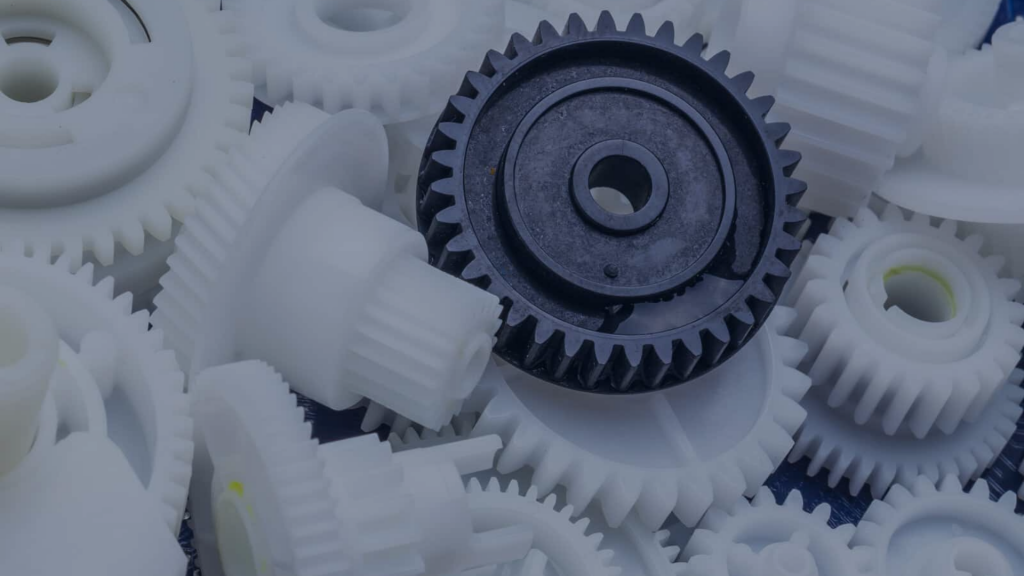
Predicting spare‑part demand is notoriously difficult, and many legacy components are no longer in production. High inventory levels mitigate downtime but inflate storage and capital costs. Traditional MRO processes can take months to produce replacement parts, especially for obsolete items. 3D printing solves these bottlenecks by producing parts directly from digital files without tooling, enabling rapid turnaround, eliminating excess inventory, and allowing just‑in‑time production of low‑volume or one‑off parts.
Four Industry Examples
From regional carriers to global giants, airlines are adopting 3D printing across a range of cabin components. Below are four illustrative cases.
1. Etihad Airways – Pioneering Certified Cabin Parts
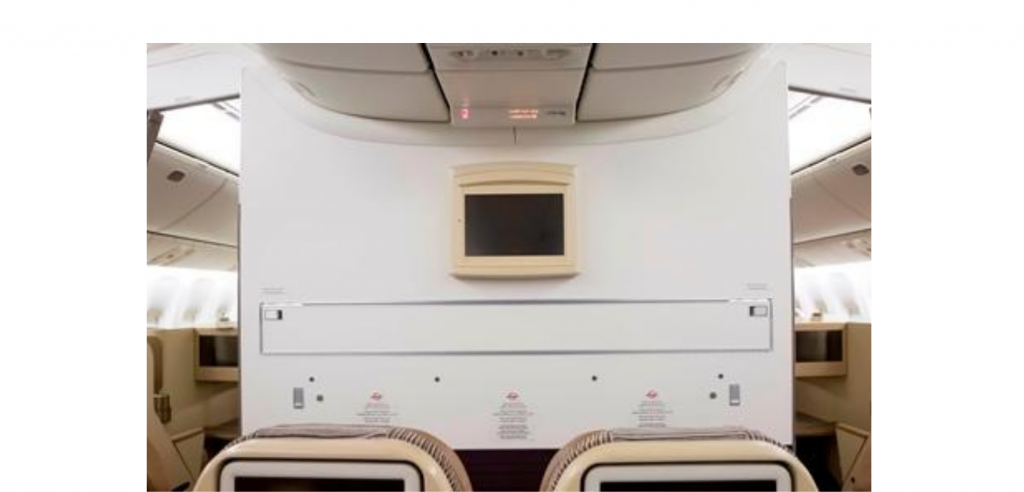
Etihad, the UAE’s second‑largest airline, showcased the world’s first certified 3D‑printed aircraft interior part in 2017: a plastic monitor frame. Partnering with EOS and BigRep, the airline opened an additively manufactured facility in Abu Dhabi, approved by the European Aviation Safety Agency (EASA) for powder‑bed fusion. The facility now designs, certifies, and produces cabin components—ranging from lightweight armrests to custom seat modules—using EOS printers. Etihad envisions a full aircraft retrofit in 30 days, achieving a 30 % faster upgrade cycle than conventional methods.
2. Diehl Aviation – The 3D‑Printed Curtain Header
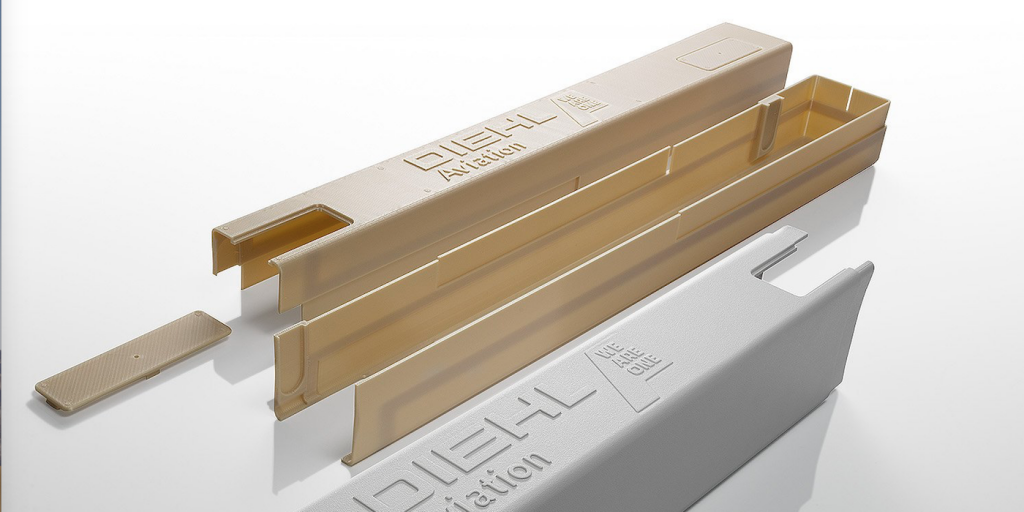
Collaborating with Airbus, Diehl Aviation produced a 3D‑printed Curtain Comfort Header for a Qatar Airways A350‑XWB. Replacing a multi‑layer laminated fiberglass and aluminum‑tooling assembly, the new enclosure consists of 12 thermoplastic components printed in a single operation. This eliminated costly tooling, reduced labor hours, and shortened repair lead times. It is currently the largest fully 3D‑printed passenger aircraft part.
3. British Airways – Expanding the 3D‑Print Portfolio
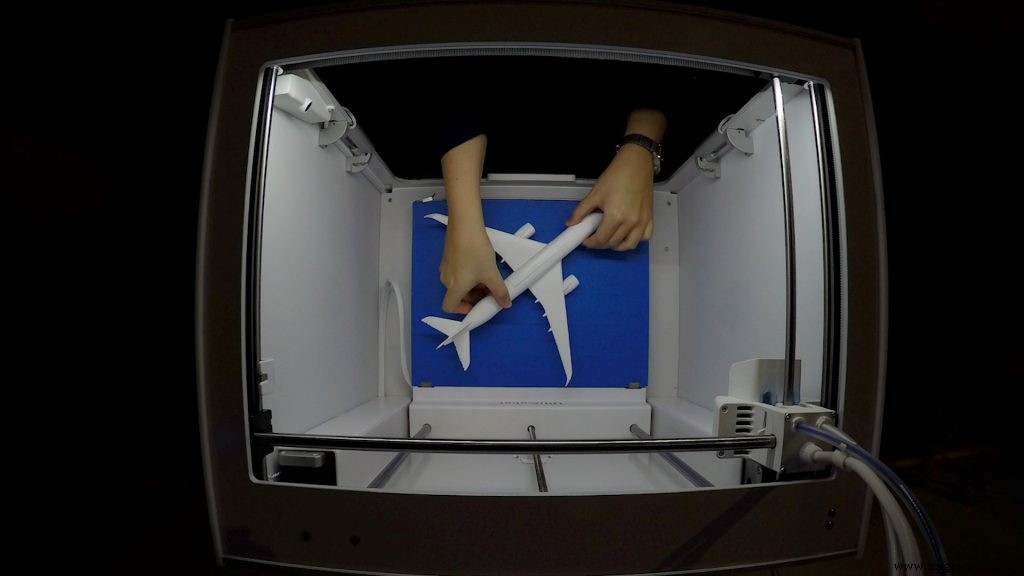
British Airways is exploring 3D printing for non‑critical cabin parts such as tray‑table components, inflight entertainment fixtures, and lavatory hardware. These parts can be produced quickly, with the same durability as traditional components, and can reduce part weight by up to 55 %. The airline anticipates expanding to larger items—cutlery, seat seats, baggage compartments, and windows—thereby enhancing operational flexibility and environmental performance.
4. Stratasys, SIA Engineering, and Additive Flight Solutions – Thousands of Certified Parts
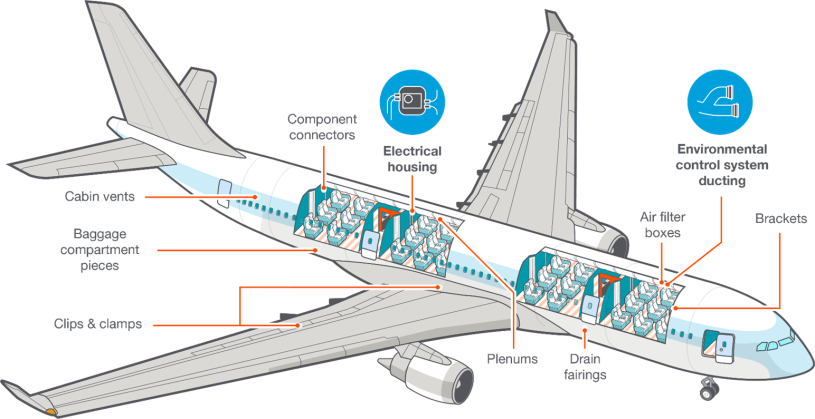
Since 2018, Stratasys’ FDM technology, combined with SIA Engineering’s MRO expertise and Additive Flight Solutions’ service bureau, has produced over 5,000 certified cabin parts. Examples include seat‑controller covers, curtain‑rail clips, emergency‑door catch mechanisms, and passenger‑seat supports. All parts meet rigorous thermal and flame‑smoke‑toxicity (FST) requirements, proving that additive manufacturing can satisfy the highest safety standards.
Standardising Additive Manufacturing for Cabin Parts
Despite rapid adoption, 3D printing in aviation remains hampered by the lack of unified standards and certification pathways. Without a common benchmark, aerospace companies cannot deploy new parts with the same confidence as traditional manufacturing. The industry is addressing this gap through collaborative efforts by the FAA, EASA, ASTM, SAE, and ISO.
Recent progress includes SAE International’s AMS 7100 (Fused Filament Fabrication Process) and AMS 7101 (Material for FDM) specifications, designed specifically for plastic cabin components. These standards streamline material selection, process validation, and quality assessment, accelerating certification cycles.
The Road Ahead
3D printing is already integral to many airlines’ MRO strategies, enabling low‑volume spare‑part production and highly customized cabin designs. Hundreds of 3D‑printed interior components have entered service worldwide, demonstrating tangible benefits in cost, weight, and lead time.
Future growth hinges on scaling production, tightening standards, and fostering industry collaboration. As additive manufacturing matures, we can expect broader adoption across the entire cabin—from pilot seats to aircraft windows—fueling a new era of innovation and sustainability in aviation.
3D printing
- Revolutionizing Bone Implants: How 3D Printing Enhances Fit, Longevity, and Performance
- 3D Printing Revolutionizes Clear Aligners in Digital Dentistry
- Application Spotlight: 3D Printing Transforms Bike Manufacturing
- Application Spotlight: 3D Printing Revolutionizes Bearing Design and Production
- 3D Printing Revolutionizes Heat Exchangers: Lighter, Smarter, Faster
- Revolutionizing Footwear: 3D Printing Drives Innovation, Customization, and Faster Time to Market
- 3D‑Printed Eyewear: From Prototyping to Customization—Industry Trends & Case Studies
- 3D Printing for Turbine Parts: Accelerating Development, Performance, and Sustainability
- 3D‑Printed Brackets: Optimizing Strength, Weight, and Production Efficiency
- Revolutionizing Robotic Grippers with 3D Printing: Insights and Industry Successes