



10 Essential Features Every 3D Printing Workflow Software Should Offer
Workflow software is the backbone of streamlined 3D printing operations, yet picking the right platform can be daunting.
To help you make an informed decision, we’ve distilled the must‑have features that unlock maximum value and efficiency for your additive manufacturing (AM) processes.
What is 3D Printing Workflow Software?
Often referred to as a Manufacturing Execution System (MES), 3D printing workflow software orchestrates the full spectrum of real‑time activities in additive manufacturing. From quoting and order management to production scheduling and data capture, it centralises every step of the AM pipeline.
By logging production costs, material usage and turnaround times, the software gives you a single source of truth for all AM‑related data. When tailored to 3D printing, it synchronises tasks across teams, integrates with other systems, and accelerates day‑to‑day operations.
Why Adopt Workflow Software?
Implementing a workflow/MES solution delivers tangible benefits across your organization:
- Full Visibility: Track every project’s progress, monitor timelines, and share real‑time status updates.
- Traceability & Accountability: Keep team members informed and clarify roles to eliminate confusion.
- Standardised Processes: Store all project details in a central hub, fostering consistency and compliance.
- Automation: Replace spreadsheets and manual steps with digital, rule‑based workflows.
10 Features Your 3D Printing Workflow Software Must Possess
When evaluating solutions, focus on the features that align with your operational needs. Below are the top ten requirements for a robust workflow platform.
1. Customisation
Every business has unique workflows. A flexible platform lets you tailor interfaces to match your brand, adapt to regional languages, and evolve with your processes.
2. Seamless Integration
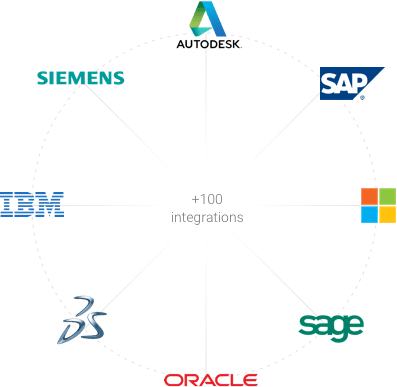
Integration with ERP, business intelligence, and other critical tools is essential for uninterrupted data flow. Automated data transfers eliminate manual entry and accelerate internal workflows.
3. Machine Connectivity
Robust MES software should support direct machine integration—commonly via OPC‑UA or open APIs—allowing real‑time data exchange with your printers.
4. Production Planning & Scheduling
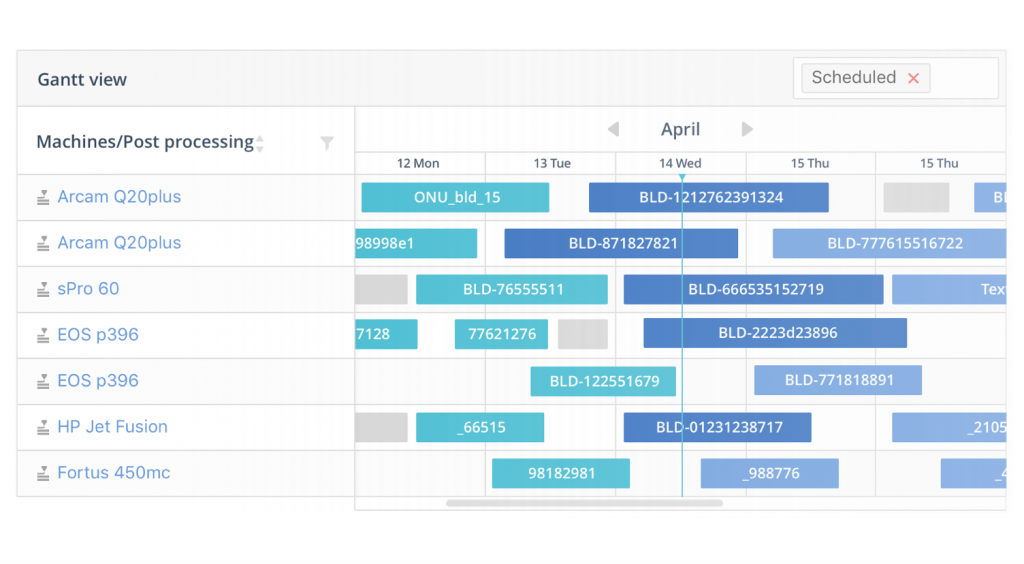
This core capability manages build preparation, job sequencing, machine utilisation, and work order generation, giving you granular control over every print.
5. Insightful Analytics & Bottleneck Detection
Real‑time dashboards and KPI reports—tracking OEE, machine uptime, output, and MTTR—empower you to identify inefficiencies and focus on continuous improvement.
6. In‑Process Team Communication
Embedded collaboration tools let users comment on files, receive instant notifications, and review status updates without leaving the platform.
7. Email Integration
Centralise all correspondence so that request threads, approvals, and client communications remain organised and searchable.
8. Version Control
Securely track file histories, prevent conflicts, and ensure that everyone works from the latest approved version.
9. 3D Printability Analysis & Repair Tools
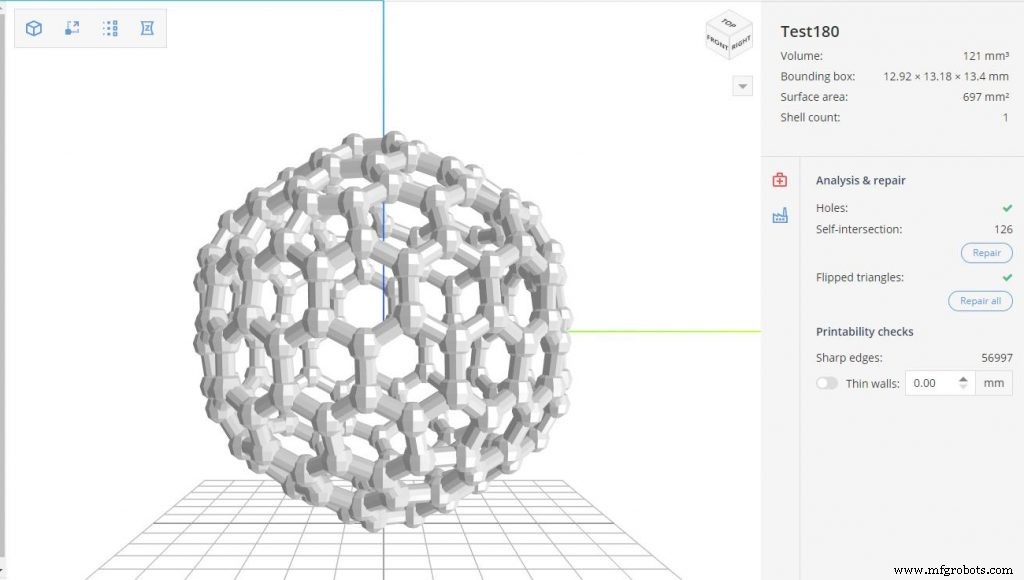
Integrated mesh analysis identifies STL defects, and automated repair utilities streamline the transition from CAD to printable geometry.
10. Scalability
As production volumes grow, the software must scale—supporting additional users, printers, and complex workflows—without compromising performance.
Choosing the Right Workflow Solution
Selecting a workflow platform is a strategic decision that can shape your AM capabilities for years. Use the feature list above as a starting point for evaluating vendors, and request demos to see each solution in action.
About AMFG
AMFG delivers industry‑leading 3D printing and additive manufacturing workflow management/MES solutions. Our platform is engineered to streamline, coordinate, and optimise every step of the AM process. Schedule a demo to experience the difference.
3D printing
- How MES Workflow Software Accelerates Growth for 3D Printing Service Bureaus
- Software That Solves Four Major Additive Manufacturing Hurdles
- 5 Clear Indicators Your 3D Printing Service Bureau Needs Workflow Software
- FDM 3D Printing Today: Current State, Milestones, and Future Outlook
- 5 Emerging Trends Shaping 3D Printing Software
- 9 Fortune 500 Companies Leading the Industrial 3D Printing Revolution
- How 3D Printing and Software Drive Digital Transformation in Manufacturing
- ZBrush for 3D Printing: Unlocking Design Potential
- Are 3D Printer Fumes Dangerous? Health & Safety Insights
- Top Professions and Sectors Driving 3D Printing Innovation