



3D‑Printed Brackets: Optimizing Strength, Weight, and Production Efficiency
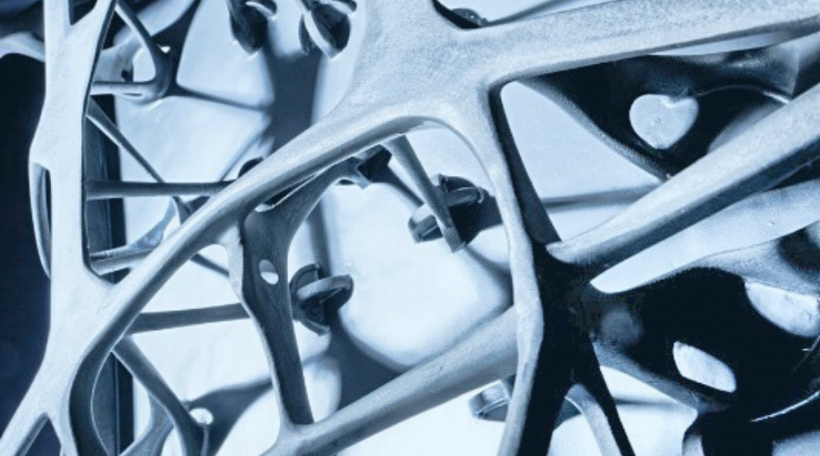
3D‑printed brackets are transforming how we build lightweight, high‑performance assemblies. By leveraging additive manufacturing, engineers can push design boundaries—creating intricate geometries, reducing weight, and cutting production time—all while maintaining structural integrity.
In this spotlight, we explore the core advantages of 3D‑printed brackets and highlight real‑world applications in aerospace and automotive sectors.
Other applications in our series:- 3D Printing for Heat Exchangers
- 3D Printing for Bearings
- 3D Printing for Bike Manufacturing
- 3D Printing for Digital Dentistry & Clear Aligners
- 3D Printing for Medical Implants
- 3D‑Printed Rockets and the Future of Spacecraft Manufacturing
- 3D Printing for Footwear Manufacturing
- 3D Printing for Electronic Components
- 3D Printing in the Rail Industry
- 3D‑Printed Eyewear
- 3D Printing for End‑Part Production
- 3D Printing for Turbine Parts
- How 3D Printing Enables Better‑Performing Hydraulic Components
- How 3D Printing Supports Innovation in the Nuclear Power Industry
What Is a Bracket?
A bracket is a fastener that connects two perpendicular parts, reinforcing the joint and distributing loads. Brackets are ubiquitous—from building frames to aircraft and automotive structures—where their design directly influences overall strength, durability, and safety.
Why 3D Printing Brackets?
Traditional manufacturing methods often limit bracket design to simple, mass‑produced shapes. 3D printing unlocks:
- Faster Production – Complex metal brackets can be fabricated in a single build, and multiple units can be nested in one print run, eliminating separate machining steps and tooling time.
- Single‑Part Assembly – Multi‑piece brackets become one consolidated component, reducing labor, potential assembly errors, and creating stronger joints.
- Material Efficiency – Additive manufacturing removes excess material, cutting waste by up to 90 % in some cases and lowering overall cost.
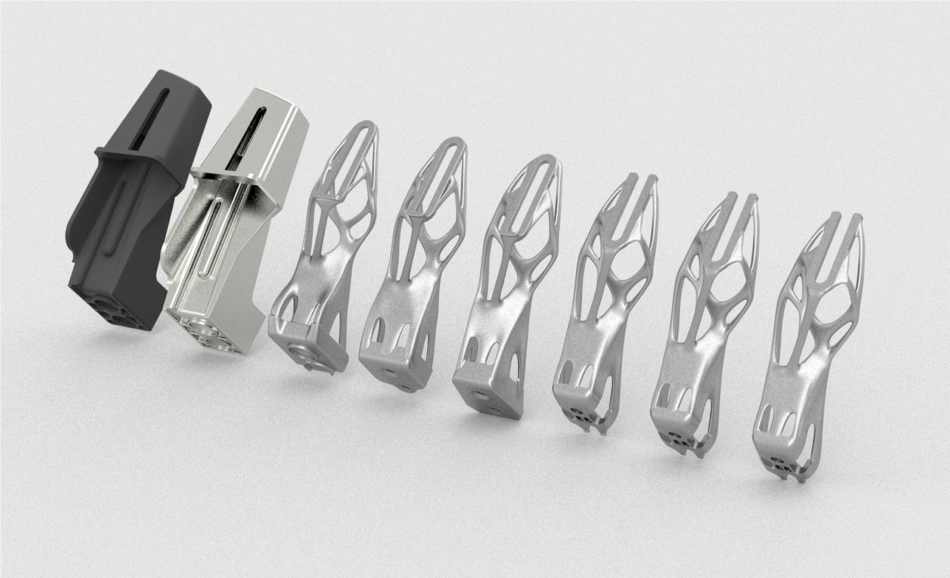
- Weight Reduction – Optimized lattice structures and topology optimisation deliver lighter parts, directly improving fuel economy and performance.
- Material Flexibility – Where metal is unsuitable, 3D printing can produce plastic or composite brackets that meet electronic, electromagnetic, or thermal requirements.
Case Studies
Philips – Lamp Bracket Redesign
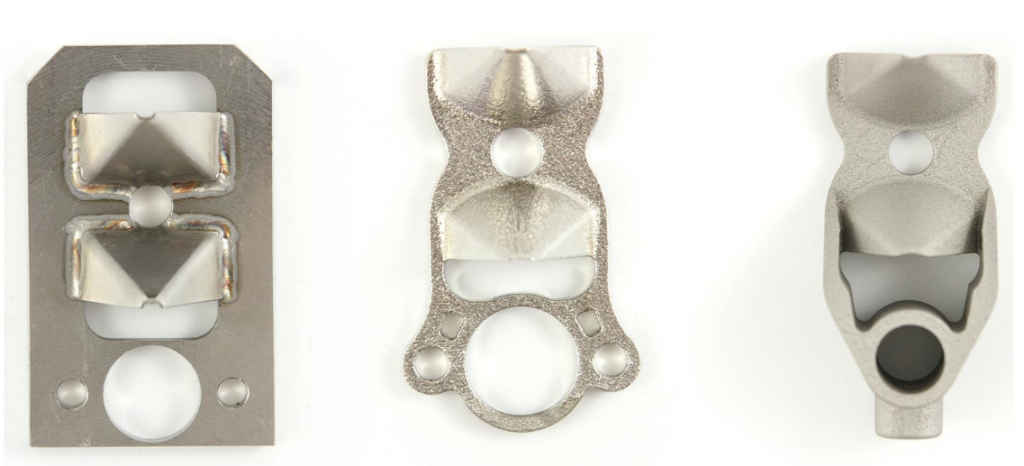
Philips faced frequent bracket failures due to thermal cycling and weld line stress. By redesigning the bracket as a single, castable part using 3D printing, the new unit eliminated weld lines and withstood repeated high temperatures. In the first three months of service, the bracket never failed.
GE – GEnx Engine Brackets
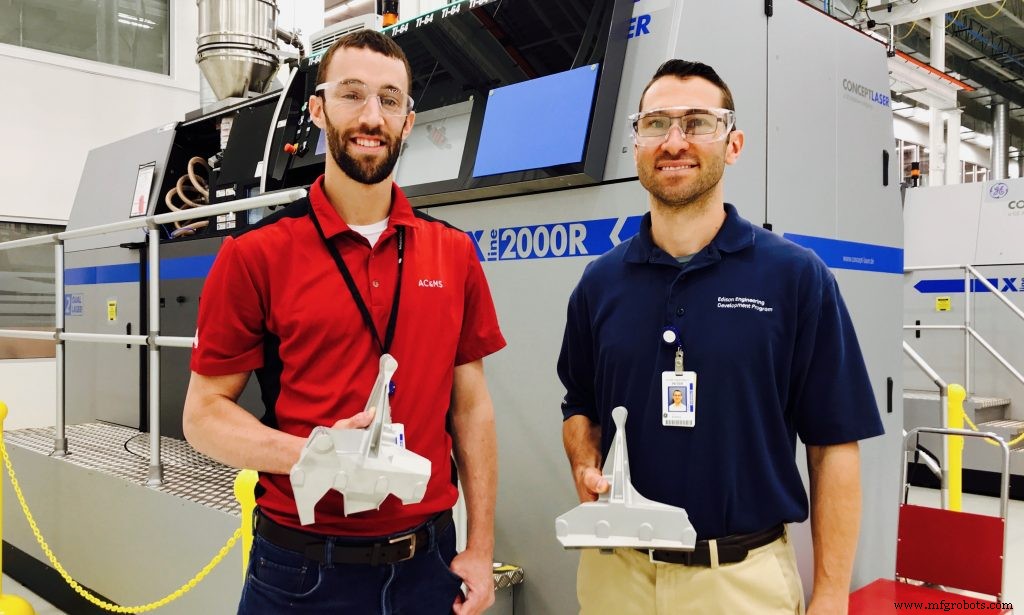
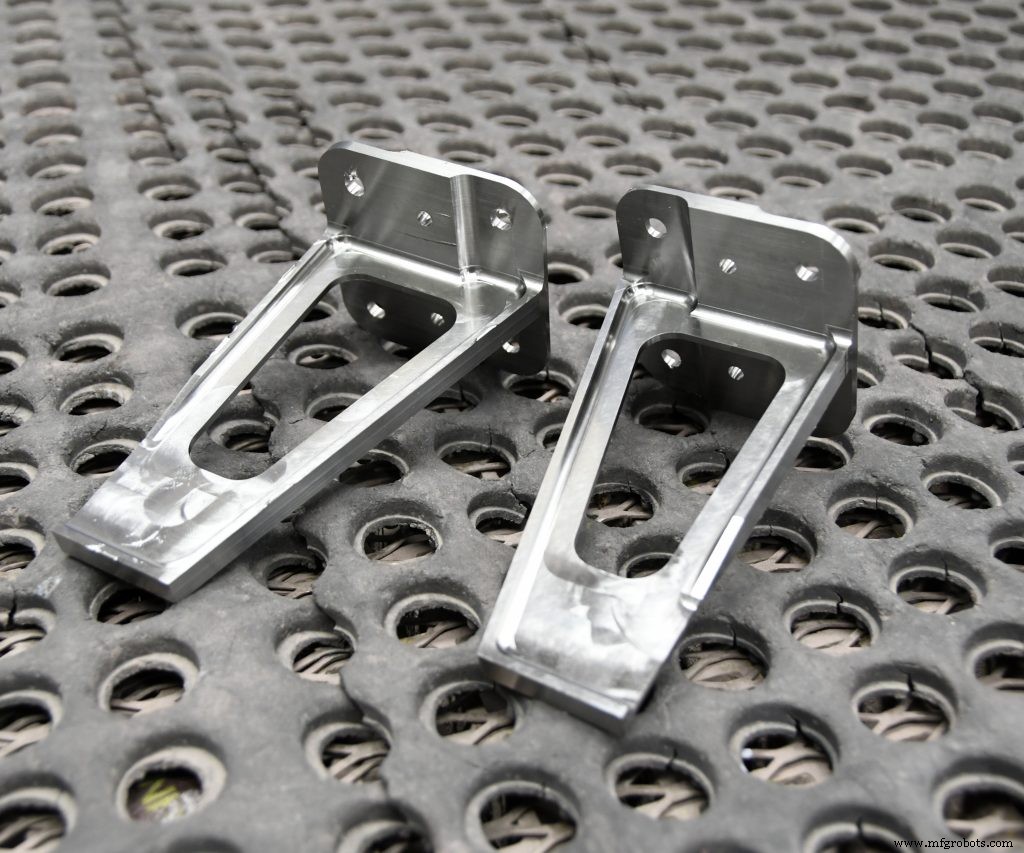
GE’s turbine engines traditionally used milled brackets, generating >50 % material waste. 3D printing cut waste by 90 % and incorporated design tweaks that lightened the bracket by 10 %. Every ounce saved translates to measurable fuel savings in flight.
Ford – Mustang Shelby GT500 Parking Brake Bracket
Ford replaced a stamped steel bracket with a 3D‑printed plastic version that is 60 % lighter, reducing overall vehicle weight and improving braking performance.
Boyce Technologies – NYC Transit LED Housing
To avoid metal interference with an antenna, Boyce printed the LED housing and mounting brackets in plastic. Using the BigRep Studio, they rapidly prototyped and mass‑produced the parts, cutting cost and cycle time compared to injection moulding.
Aerospace
Boeing 787 – Titanium Door Latch Bracket
Spirit AeroSystems replaced a machined titanium bracket with a 3D‑printed version produced via Rapid Plasma Deposition (RPD). RPD builds at 50–100 × faster than powder‑based systems and consumes 25–50 % less titanium, cutting cost and lead time by 60 %.
Airbus A350 XWB – Nose Landing Gear Bracket
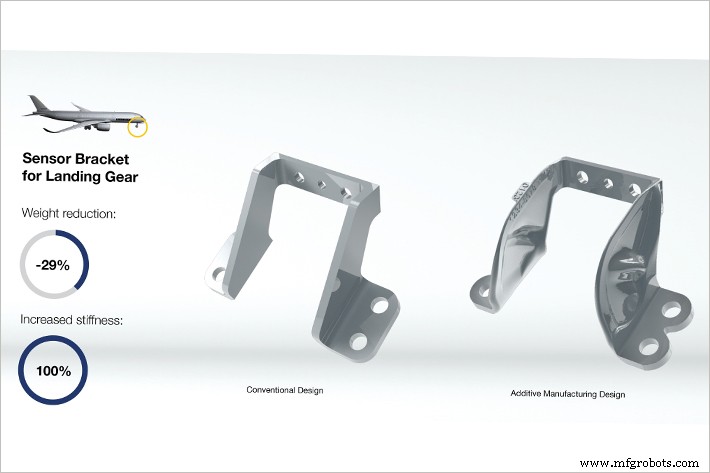
Liebherr‑Aerospace 3D‑printed titanium brackets for Airbus, achieving a 29 % weight reduction and doubling stiffness. In 2019, the company received German Federal Aviation Office approval for AM‑produced components, enabling serial production of titanium brackets.
Automotive
BMW i8 – Roof Bracket
BMW combined topology optimisation with Selective Laser Melting (SLM) to produce a metal roof bracket 10× stiffer and 44 % lighter than the conventional design—an impossible geometry to cast.
Bugatti – Lightweight Spoiler Bracket
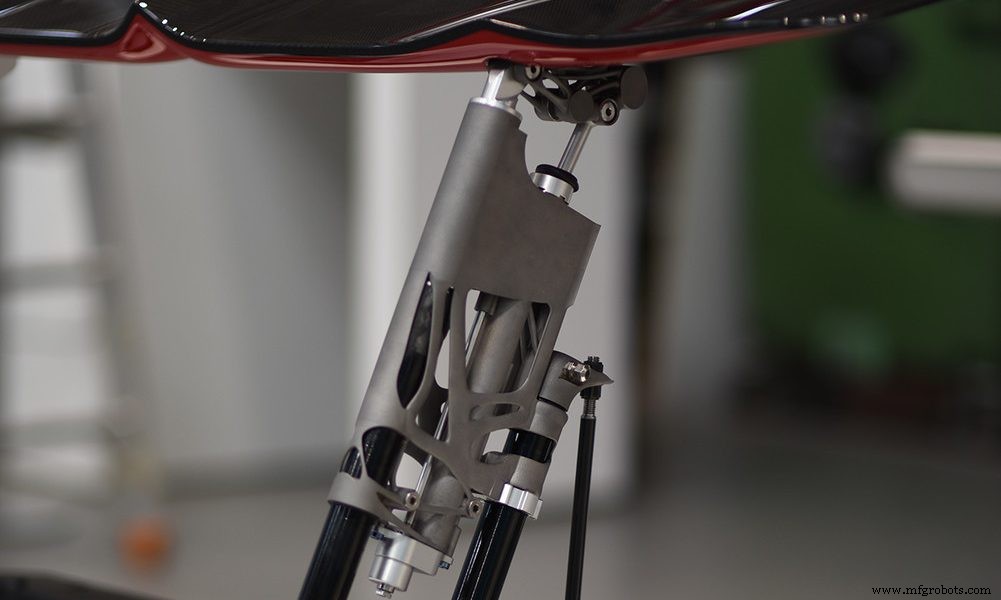
In partnership with Fraunhofer IAPT and Siemens, Bugatti printed a titanium spoiler bracket with 53 % weight savings and 1,250 MPa tensile strength, achieving a density >99.7 %. The part is now standard on all Chiron models.
Opportunity for Bracket Design
Brackets may appear small, but their impact on structural performance is outsized. Additive manufacturing unlocks design freedom, enabling lighter, stronger, and more cost‑effective parts. While mass production of 3D‑printed brackets is still emerging, niche applications—such as high‑value aerospace components and low‑volume automotive parts—will continue to thrive.
3D printing
- Revolutionizing Bone Implants: How 3D Printing Enhances Fit, Longevity, and Performance
- Application Spotlight: 3D Printing Transforms Bike Manufacturing
- Application Spotlight: 3D Printing Revolutionizes Bearing Design and Production
- 3D Printing Revolutionizes Heat Exchangers: Lighter, Smarter, Faster
- 3D Printing Revolutionizes the Rail Industry: Case Studies & Benefits
- Revolutionizing Footwear: 3D Printing Drives Innovation, Customization, and Faster Time to Market
- 3D‑Printed Eyewear: From Prototyping to Customization—Industry Trends & Case Studies
- 3D Printing for Turbine Parts: Accelerating Development, Performance, and Sustainability
- How 3D Printing Is Revolutionizing Aircraft Cabin Interiors
- Revolutionizing Robotic Grippers with 3D Printing: Insights and Industry Successes