



Washdown Pump Motors: Ensuring Reliable, Sanitary Operation in Food Processing
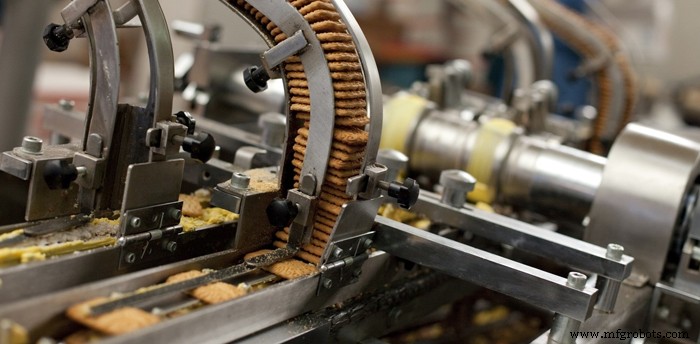
In a modern food manufacturing plant, stringent sanitary protocols demand rigorous cleaning, often in dedicated washdown zones where equipment is exposed to high‑pressure, caustic solutions. While some areas of a facility remain dry and require only open drip‑proof motors, many processes—particularly those involving dairy, meat, and poultry—necessitate motors that can withstand frequent washdowns and comply with strict food‑safety regulations.
Market research shows that automated food‑production facilities are proliferating worldwide. At the core of these plants are industrial electric motors that drive pumps, mixers, and other essential equipment, translating raw ingredients into safe, consumable products.
Key industry buzzwords—clean, sanitary, and environmentally friendly—reflect the reality of handling caustics, heat, and high pressure during routine sanitation. Manufacturers of food‑processing equipment design motors to endure these harsh conditions while meeting FDA and EPA standards.

Fluid transfer pumping in a food plant typically relies on general‑purpose AC motors. In dry zones, open drip‑proof (ODP) motors suffice if they remain free from moisture and direct contact with cleaning chemicals.
In other areas—such as boiler rooms, fluid pumping stations, or on‑site water treatment—totally enclosed general‑purpose motors often provide adequate protection. These motors can tolerate mist or humidity but are not designed for the spray intensity found in washdown zones.
Food Safety & the Law
When cheese, chicken, beef, or bacon is processed, microorganisms like salmonella, listeria, and E. coli thrive in moist environments. The Food Safety Modernization Act (2010) grants the FDA authority to inspect, shut down, or recall products from non‑compliant facilities. Compliance requires documented safety measures, adherence to FDA guidance, and collaboration with the USDA and CDC to trace foodborne illness sources.

Washdown Environments
In sanitary washdown areas, the ideal motor is a totally enclosed washdown motor. Cast, fin‑framed motors made of aluminum or cast iron are susceptible to food buildup and contamination, making them unsuitable for high‑volume dairy or meat production.
Washdown motors are engineered to handle aggressive sprays and corrosive chemicals. For safety, operators should disconnect all equipment from power during sanitation to eliminate electrical shock risk.
White washdown motors have long been the industry’s workhorse. Their stainless steel hardware, epoxy‑coated paint, and rubber gaskets enable reliable performance in occasional or regular washdowns.
For budget‑conscious facilities seeking a paint‑free exterior, paint‑free designs feature stainless‑steel endplates and stator bands, delivering many of the same benefits without the white coating.

Stainless Motors – The Wave of the Future
Stainless‑steel motors are increasingly replacing white motors, especially in meat and poultry plants that require higher‑temperature, high‑pressure spray. These motors run longer, resist corrosion, and reduce potential contamination points, aligning with FDA mandates to eliminate any food‑safety risks.
All Stainless‑Steel Motors Are Not Created Equal
Manufacturers offer a range of stainless motors—from entry‑level models with basic components to premium versions featuring laser‑etched nameplates, smoothly welded contours, and moisture‑repellent potting compounds for internal windings.

Motor Efficiency Considerations
Under the Energy Independence and Security Act of 2007 (EISA) and the subsequent Integral Horsepower Ruling (effective June 1, 2016), most pump motors rated 1–500 hp must now meet premium efficiency standards—except for submersible motors. Newer motors must be designed to deliver higher efficiency, which often means larger, more robust construction.
Motor Selection
Choosing the right motor involves more than the purchase price. Total cost of ownership—including maintenance, energy consumption, and compliance with washdown requirements—should guide the decision. While ODP or general‑purpose motors may suffice in non‑food‑contact zones, washdown motors are essential for areas exposed to harsh sanitation regimes, ensuring longevity and a cleaner environment.
At J/E, we are an authorized distributor for Baldor‑Dodge. We carry bearings, gearings, and PT components. To inquire about any of our products, head over to our contact page or email us at info@je-bearing.com.
Equipment Maintenance and Repair
- Launching Reliable Plant: Your Trusted Guide to Maintenance Excellence
- Diagnosing Armature Defects in Running DC Motors: A Practical Guide
- Ensuring Sanitary Practices in Pet Food Manufacturing: A Comprehensive Guide
- Extending Motor Life: Expert Maintenance Tips
- Motor Storage Maintenance: Best Practices to Preserve Performance
- Why Laser‑Aligned Pumps Misalign During Operation: Causes and Prevention
- Safely Operating and Storing Equipment During Winter
- Can Hydraulic Pumps Serve as Motors? A Practical Guide
- Running a Hydraulic Pump with an Electric Motor: How and Why It Works
- Vickers GD5 Gear Pump: Trusted High-Pressure Performance & Reliability