



Expert Motor Maintenance: Mechanical Care for Longevity
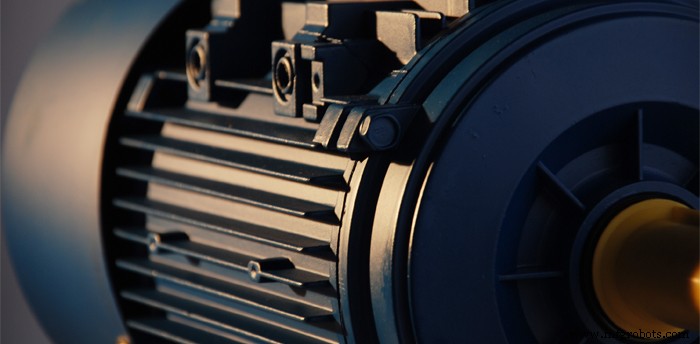
AC motors are engineered for minimal upkeep, yet proactive reliability maintenance—covering both mechanical and electrical facets—is vital for a long, dependable service life. Studies reveal that more than 50% of motor failures originate from mechanical causes, making careful bearing lubrication and thorough cleaning essential practices.
Bearing Lubrication
The majority of motor failures are linked to bearing wear, with inadequate lubrication being a primary culprit. Since bearing life scales directly with lubricant longevity, all non‑sealed bearings must receive regular re‑lubrication throughout their service cycle.
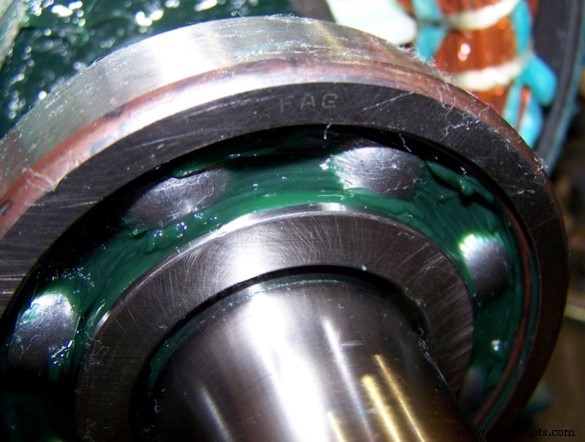
In practice, 95% of motors use grease, while the remaining 5% employ oil. Determining the correct volume is less a science and more an art, influenced by operating conditions and environmental factors. When lubricating bearings, consider:
- Manufacturer‑recommended procedures.
- Service conditions such as environment, temperature, and operating hours.
- The precise amount of lubricant appropriate for the bearing’s size and type.
- Grease compatibility—mixing incompatible greases can cause “soupiness” or hardening.
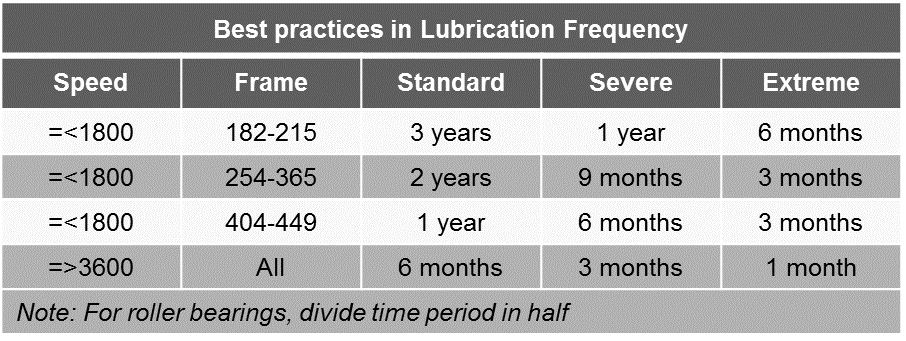
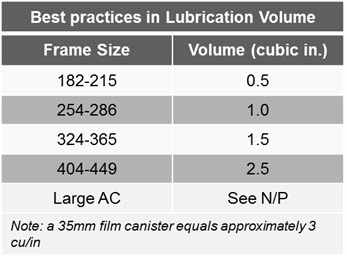
Guidelines for frequency and volume are typically outlined in the motor’s instruction manual. Familiarizing maintenance staff with these procedures can extend motor life and reduce downtime.
Recommended Greasing Procedure
- Stop the motor, disconnect power, and re‑lubricate while it remains warm.
- Clean the grease inlet fitting.
- Remove the grease drain plug, if present.
- Apply the specified volume of fresh grease using a hand‑operated grease gun.
- Reconnect power and run the motor for two hours with the drain open to purge old grease.
- Replace the drain plug.
Motor Cleaning
Accumulated dirt reduces a motor’s cooling efficiency, causing it to run hotter and increasing the risk of premature failure. Regular inspections—every 500 operating hours or quarterly, whichever comes first—help ensure ventilation remains unobstructed.
- Inspect interior and exterior surfaces for debris, oil, grease, or moisture. Materials such as paper pulp, textile lint, or oily vapor can block airflow.
- Check ventilation filters and clean or replace as needed.
- Perform periodic dielectric tests to confirm winding insulation integrity. Record results and investigate any significant drop in resistance.
- Verify all electrical connectors are secure.
By correctly lubricating non‑sealed bearings and maintaining a clean motor, you can markedly improve mechanical longevity. Tailoring a maintenance schedule to your specific environment and operating conditions is the key to a successful program.
This article was written by Kay Cabaniss, Industry Development Manager at Baldor Electric Company.
At J/E, we are an authorized Baldor distributor. We carry bearings, gearings, and PT components. For product inquiries, visit our contact page or email info@je-bearing.com.
Equipment Maintenance and Repair
- Preventive Maintenance: A Comprehensive Guide to Reliability, Cost Savings, and Equipment Longevity
- Perry Nuclear Plant Enters Shutdown for Motor Replacement and Maintenance
- Maximizing Maintenance Productivity Through Multi‑Skill Training
- Three Proven Ways to Optimize Electric Motor Maintenance
- Motor Starter Types & Essential Application Guidelines
- Proactive Motor Maintenance: Boost Reliability and Extend Lifespan
- Fortifying Scalable Predictive Maintenance: Key Security Strategies for Smart Factories
- Top 3 Factors to Consider Before Choosing Motor Rewinding Services
- Gear Motor Safety: Key Considerations for Industrial Reliability
- Ensuring Peak Performance: Expert Guide to Compressor Motor Maintenance