



Seal Science: Optimizing Seal Performance Through Lubricant Compatibility
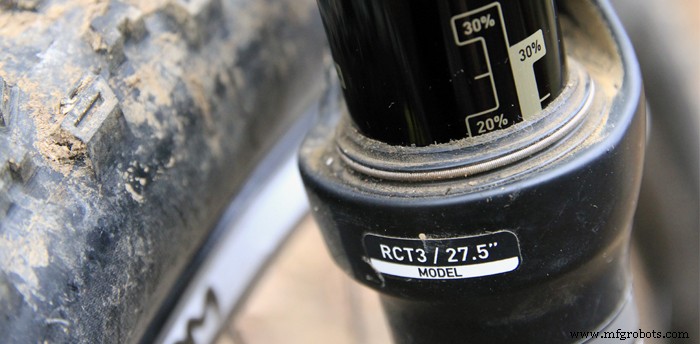
A seal functions as a critical barrier between compartments that contain different materials or operate under varying pressures. The primary goal is to prevent material loss—such as lubricants—and to block the ingress of contaminants like dust.
Beyond these basic functions, seals must operate reliably over a specified service life. This can be challenging because seals are exposed to wear from motion, temperature fluctuations, and chemical attack. Low friction—and thus low power consumption—is essential, and the design should allow for easy removal during maintenance.
Key lubricant‑related concerns include swelling, shrinkage, and the impact of different oil types—mineral, PAO, and silicone—on seal materials.
Swelling and Shrinkage
Swelling occurs when lubricant diffuses into the seal material until saturation is reached. The extent of swelling depends on the chemical structure of both the oil and the polymer, as well as the degree of cross‑linking within the polymer. Shrinkage typically results from plasticizer loss in the polymeric seal material.
Mineral Oils
Lubricants based on mineral oils, especially those with high aromatic content, generally exhibit poorer compatibility with elastomer seals compared to highly refined oils. Ester oils also tend to show relatively low compatibility. For oils with similar chemical structures, swelling propensity diminishes as viscosity increases.
Polyalphaolefins (PAOs)
PAO oils are synthetic hydrocarbons composed of identical molecules, unlike the diverse mixtures found in mineral oils. Their interaction with elastomers mirrors that of mineral oils, offering similar compatibility characteristics.
Silicone Oils
Silicone oils possess a chemical structure that differs markedly from most elastomers, which often results in excellent compatibility with seal materials.
Elastomer Seals and Lubrication
Elastomer seals are inherently soft and elastic, allowing them to conform to mating surfaces. This conformity can cause the seal and its counterpart to adhere together, making a lubricant essential as a separating medium. Swelling or shrinkage alters the modulus of elasticity, tensile strength, and hardness of elastomers, potentially compromising mechanical performance. Consequently, it is advisable to conduct compatibility tests between the chosen lubricant and the seal material, as elastomers within the same class can exhibit varying swelling behaviors due to differences in plasticizers, plasticizer content, or polymerization degree.
Find the original article on the MRO WebsiteEquipment Maintenance and Repair
- Understanding O‑Ring Face Seals: Design, Function, and Applications
- Understanding Shaft Seals: Design, Function, and Applications
- Vulcanized Seals: Composition, Manufacturing, and Key Advantages
- Electronics: A Hands‑On Science for All
- Lubricating Oil: Types, Uses, and Performance
- Tulco Oils Uses CMMS to Keep Tulsa Plant Running Nonstop
- Sealing Out Bearing Contamination: Expert Guide to Timken Bearing Seal Installation & Inspection
- Optimize Fleet Fuel Economy by Switching to Low‑Viscosity Engine Oils
- Understanding Seal Welds: Purpose, Applications, and Types
- What Is a Trap Seal? Protecting Your Home’s Plumbing