



Understanding Mastic Sealant: Applications, Materials, and Benefits
Many projects require some type of sealant to either join one surface to another, or protect the area to which it is applied. In some cases, it is best if the sealant stays flexible even after it dries. Mastic sealant typically is good for this type of project, as it can bend and flex while maintaining a durable bond for years.
Mastic sealant adheres to nearly any material. The most common types that it works particularly well with include wood, glass, aluminum, concrete, marble, steel, and duct board. It often is used in construction projects, such as connecting windows to structures. It also can be used in projects at home, including sealing the area around bathtubs and filling in cracks in various types of masonry. Mastic sealant also often is applied to roofing, brick structures, and even cars and boats to keep them dust-free.

The combination of features of this type of sealant sets it apart from others. It is known for its typically smooth exterior, while keeping a plastic, rigid form underneath. Most users find that they do not have to prime the area to which they are applying mastic sealant, as the thick paste goes on smoothly. It can be applied outdoors since it is waterproof, resistant to both low and high temperatures, and often includes ultraviolet (UV) inhibitors to ensure that the sun does not weaken it. Additionally, it works well with metals, unlike some sealants, because it usually does not corrode them over time.

Despite the many positive features of mastic sealant, there are some drawbacks. For example, though it stays rather flexible, it should not be applied to joints that frequently will be moved very far. The mastic coating usually will stay put through some pressure, but it is not meant for extreme joint movement. It also is usually best in thick applications, such as in large gaps and cracks, rather than thinner areas.
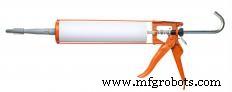
No matter where the mastic coating is applied, a few things should be remembered about this liquid sealant. While the area to be treated might not need to be primed, it usually should be clean and dry, much like most sealants require. It usually lasts for about five years, so it should be checked and replaced after that time to ensure that it is most effective. Mastic sealant usually is sold in either tubs or tubes, and typically is best applied with a caulking gun.
Industrial equipment
- Understanding the Oxygen (O2) Sensor: Role, Placement, and Failure Signs
- Understanding AS9100: The Aerospace Quality Management Standard
- What Is A2 Steel? A Versatile, Cost‑Effective Tool‑Steel Grade for Industrial and Woodworking Applications
- Discover the Main Types of Waterproof Sealants for Your Projects
- Mastic Adhesive Explained: Properties, Uses, and Applications
- Mastic Asphalt Explained: Composition, Uses, and Benefits
- Elastomeric Sealant Explained: Properties, Uses, and Benefits
- Understanding Epoxy Sealants: Types, Applications, and Benefits
- What Is an Expansion Joint Sealant? Types, Applications, and Key Benefits
- Decoding 'N' in Pump Calculations: Its Role and Significance