



Understanding Assembly Plants: From Raw Materials to Ready-to-Sell Products
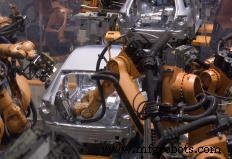
An assembly plant is a factory that takes raw materials or semi-finished goods and creates a finished product that is ready for sale. The products made in assembly plants range from enormous trucks to tiny microchips. Anything that has been mass produced was more than likely created at an assembly plant. This method of production cuts costs with its efficiency and helps increase revenue by producing large numbers of products.
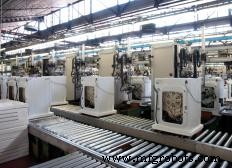
One of the most common types is the automobile assembly plant. Since the early 1900s, these have been innovative testing grounds for improving speed, quality and production and for lowering costs. In most cases, the various parts that go into an automobile or truck are created at smaller assembly plants and sent to the main location for completion. For example, a plant might receive items such as engine components, windshields, seats, steel frames and more for assembly. By taking the various pieces and applying them to an assembly line, the factory produces vehicles in a fraction of the time it would take to assemble a single car individually.
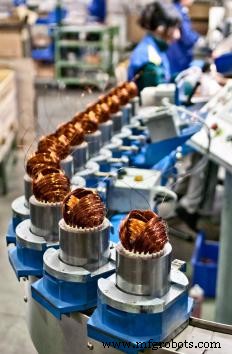
A different example would be an aluminum can assembly plant. Instead of receiving semi-completed pieces as an automobile factory does, an aluminum can complex would produce the finished product in-house, using only raw materials. In this case, a large roll of flat aluminum is shipped to the production factory, then uncoiled and run through a series of machines. By pressing and pounding and shaping this raw aluminum, the factory is able to independently produce finished aluminum cans for food and beverage consumption.
Many assembly plants have evolved over the years. Where manufacturing plants once were powered by expensive, labor-intensive fuels such as coal, many modern factories operate on electricity and are much cleaner and cheaper to operate. The logic behind assembly lines also has improved with the technology. For example, the job of bolting tires onto a new car at an auto assembly plant that was once done by hand with a ratchet is now performed in a matter of seconds using air-powered tools. Every advance in technology and technique has been implemented in an attempt to keep the plant operating efficiently.
An assembly plant thrives on taking materials and creating a finished product by utilizing technology and efficiency. Plants have been used for years and have been in a constant state of change during that time. From automobiles to soda cans, these factories are responsible for making an impressive array of items.
Industrial equipment
- Understanding Bill of Materials: The Key Ingredient in Product Design
- Understanding the Oxygen (O2) Sensor: Role, Placement, and Failure Signs
- Plant Maintenance Demystified: Best Practices for Modern Industries
- Plant Asset Management: Maximizing Efficiency & Savings in Industrial Operations
- Rendering Plants Explained: Turning Animal By‑Products into Food, Fuel, and More
- Understanding Mechanical Assembly: Processes & Benefits
- Understanding Hub Flanges: Design, Function, and Applications
- Plant Maintenance: Keeping Factories Efficient and Safe
- Understanding Recycling Plants: How They Process and Recycle Materials
- Understanding the Assembly Line: How Interchangeable Parts Drive Efficient Production