



Understanding Pulpwood: Types, Harvesting, and Uses in Paper and Beyond
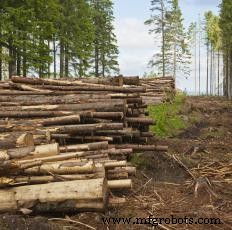
Pulpwood is a term used to refer to trees that are grown with the intention of harvesting the timber for use in the production of paper products. Several different types of trees can be used in the creation of this type of wood product, and are usually harvested when they are still relatively young. Along with use in the production of paper products, wood pulp is used in the creation of various types of wood products utilized in the manufacture of inexpensive furniture as well as in clothing and cosmetics.
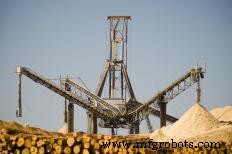
While some manufacturers intentionally plant areas of trees for use in pulpwood, other situations can also lead to the harvesting of trees for the creation of this wood product. For example, trees that are salvaged after a natural disaster may be used for this purpose. In what is known as a mixed logging operation, trees that are ideally suited for the creation of lumber are cut first, leaving the inferior trees to be harvested for use in pulpwood production. Even dead trees and sizable limbs that are cut off various types of trees may be used in the production of wood pulp for various purposes.

The pulpwood industry can even make use of some existing wood products to create new wood pulp. One example is the use of harvested wood from building demolition sites. Old pallets and flats collected from manufacturing plants can also be recycled into new pulp for use in various products.
The single most common purpose behind pulpwood harvesting is the manufacturing of paper products. Writing paper as well as computer and copy paper are made from wood pulp. Household products like paper towels, napkins, disposable plates, and toilet paper are also created using wood pulp Even the glossy paper used in the production of magazines makes use of wood pulp.
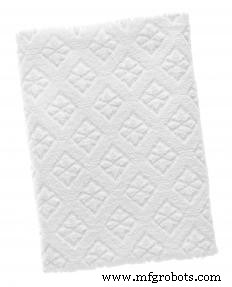
However, other products can also be created using the material that emerges from pulpwood mills. The processed wood fibers can be utilized to create rayon and acetate material for use in the creation of clothing, camping tents, and other fabric goods. The extracted pine oils can be used to manufacture cleaning products, while the residue and the oil is used in the manufacture of cosmetics and different types of perfumes and colognes.

Because the pulpwood industry makes use of trees not suitable for manufacturing lumber, as well as making use of recyclable sections of wood, the industry can easily continue to operate as new sections of wooded area is repopulated with trees grown specifically for use in the creation of wood pulp. By reusing older wood products to create raw materials for use in new goods, the industry also helps to offset the constant harvesting of new trees in order to keep up with the demand. This makes it possible to allow trees to grow to maturity before they are harvested and thus decreases the impact of the industry on the environment.
Industrial equipment
- Wood Screws Explained: Types, Features, and Selection Tips
- Understanding Pressed Wood: Composition, Uses, and Benefits
- Try Square Explained: A Precise 90° Angle Tool for Construction
- Planers Explained: Types, Uses, and Benefits in Woodworking
- Sanding Sealer Explained: The Key to a Smooth Wood Finish
- Pear Wood: Properties, Uses, and Benefits
- Liquid Wood: A Sustainable, Biodegradable Thermoplastic Alternative
- Understanding Fiberboard: Composition, Uses, and Advantages
- What Is Timber? A Comprehensive Guide to Wood and Lumber
- Understanding Wood Beams: Definition, Uses, and Advantages