



High‑Tech Automotive Careers: What It Takes to Become a Modern Technician
Terry Borkman, an instructor at Universal Technical Institute (UTI) in Avondale, Arizona, has witnessed automotive technology evolve from basic combustion engines to sophisticated computer‑controlled systems.
From the first electronic fuel injection in the 1950s to today’s adaptive cruise control and autonomous vehicles, cars are becoming more technologically advanced—and the pace of innovation is accelerating.
Yet, no matter how sophisticated the technology, the fundamental truth remains: “They aren’t going to fix themselves.” Borkman explains that the modern technician must possess a deep understanding of complex electrical systems and diagnostic tools.
While a homeowner can replace a squeaky brake, diagnosing a persistent ABS or check‑engine light requires expertise that only a trained professional can provide.
The Future of the Automotive Industry
Today’s vehicles are more computationally advanced than the first Apollo spacecraft. According to Physics.org, every car now incorporates thousands of sensors, micro‑processors, and control modules.
Since 1996, U.S. law has required every vehicle to include an On‑Board Diagnostic (OBD) system that provides diagnostic trouble codes. While the OBD port makes problem identification easier for DIY enthusiasts, the actual repair demands a high‑level technical skill set.
The era of the “shade‑tree mechanic” who could hand‑repair a car is long over. Modern technicians must be fluent in both mechanical and electrical diagnostics.
As The Globe and Mail reports, the automotive industry has experienced the most rapid change of any sector in recent decades, with events like the Consumer Electronics Show (CES) in Las Vegas and the North American International Auto Show in Detroit shaping the future of vehicle technology.
Is Trade School Necessary for a Professional Automotive Technician?
With a generation of seasoned mechanics retiring and a growing demand for skilled technicians, the talent gap is widening. This raises the question: is trade school essential for entering the field?
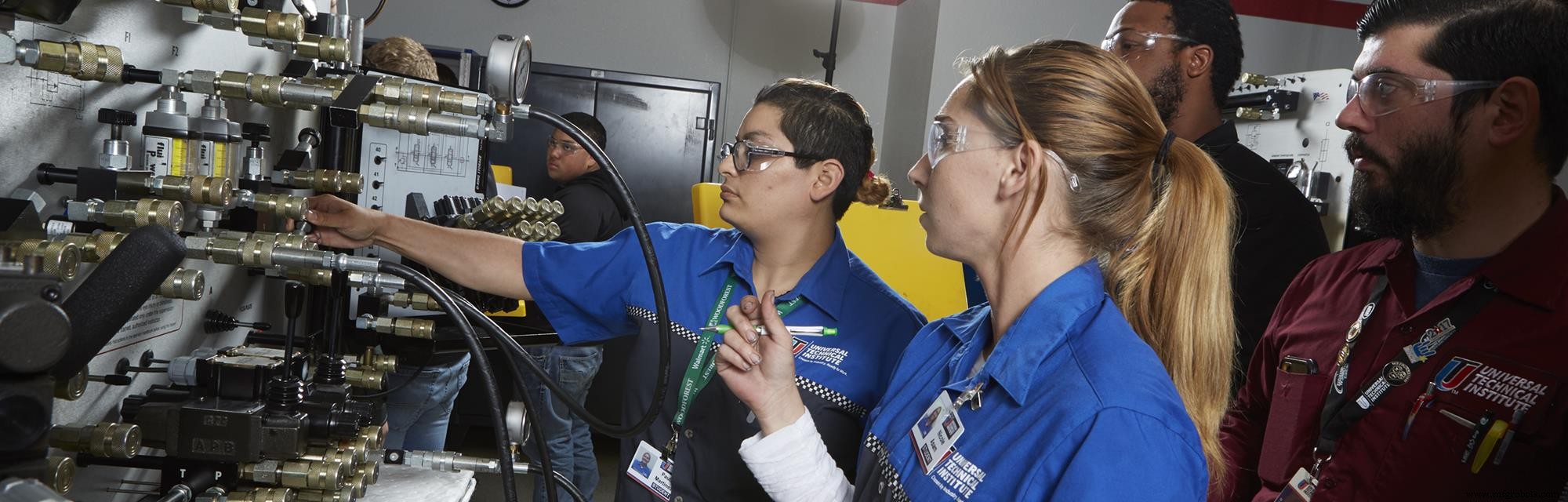
There are multiple pathways to becoming a professional, but trade schools like UTI offer structured curricula aligned with leading manufacturers, hands‑on experience with real vehicles, and early access to industry‑standard tools.
UTI’s programs are designed in partnership with major automakers, ensuring that graduates possess the specific knowledge needed to service modern cars and trucks.
Debunking the Myth: Technicians Are Not Dropouts
Contrary to the outdated stereotype that trade school graduates are merely “dropouts,” modern automotive education requires analytical thinking, problem‑solving, and a solid understanding of complex vehicle systems.
Benefits of Manufacturer‑Specific Training
Trade schools often provide Manufacturer‑Specific Advanced Training (MSAT) programs with brands such as BMW, Mercedes‑Benz, Ford, and Porsche. These courses equip students with niche expertise, improving job placement prospects.
Other advantages of enrolling at UTI include:
- Hands‑on training with advanced electrical systems
- Access to state‑of‑the‑art tools and production‑line vehicles
- Early preparation for industry certifications
Typical Career Paths for Technicians and Mechanics
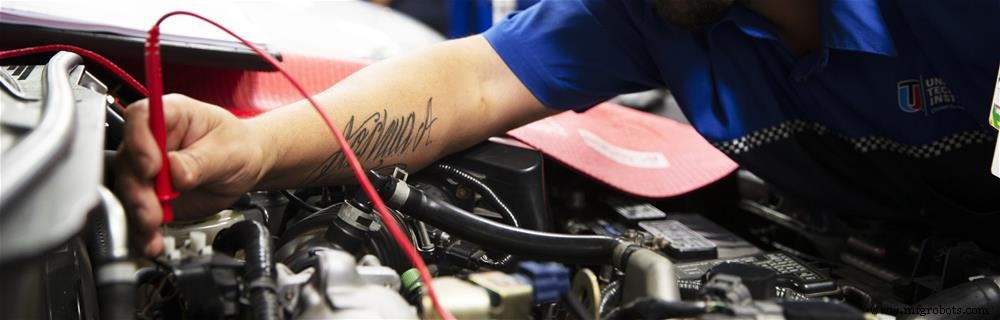
While it is possible to build a career as a mechanic without formal training, the journey can be slower and less predictable. Enrolling in a program like UTI’s can accelerate skill acquisition and improve employability.
Commitment is key: attendance, punctuality, and active engagement in class are highly valued by employers. In fact, hiring managers often regard attendance records as critical as academic performance.
Success in this field requires integrity, diligence, and continuous learning—qualities that Borkman stresses are essential for both classroom excellence and workplace success.
Interested in learning more about UTI’s technician training programs? Request information today to determine if we’re the right fit for your career goals.
Industrial equipment
- The Decline of U.S. Manufacturing Labor: Causes, Consequences, and Future Solutions
- Automotive Technician vs. Mechanic: Roles, Skills, and Career Path
- What Is an Automotive Oscilloscope? – A Technician’s Essential Diagnostic Tool
- The Role of an Automotive Service Manager: Duties, Career Path, and Compensation
- Top U.S. States Paying the Most for Automotive Technicians (2020 Median Salaries)
- Automotive Service Writer: Role, Duties, and Career Path
- Navigating the Automotive Technician Shortage: A New Career Path
- How to Accelerate Complex PCB Design Without Compromising Quality
- Emerging Careers: The New Jobs Created by Robots
- Mastering Project Deadlines: How to Ensure On-Time Delivery