



Building Smart IoT Solutions with TinyML and Automated Machine Learning
IoT empowers continuous monitoring of environments and machinery through compact sensors. Rapid advances in sensor design, microcontrollers, and wireless protocols have turned IoT platforms into affordable, mass‑produced devices with diverse connectivity options. The low cost of these systems drives widespread deployment across public spaces, homes, and industrial equipment.
These sensors collect physical data 24/7, generating massive streams. For example, accelerometers and gyroscopes on rotating machinery record vibration and angular velocity; air‑quality sensors track gaseous pollutants; microphones in baby monitors constantly listen; smartwatches measure heart rate and other vitals. Magnetometers, pressure, temperature, humidity, and ambient‑light sensors also provide real‑time environmental insights wherever they are installed.
Machine‑learning (ML) algorithms uncover patterns in this data that are beyond manual analysis. When coupled with IoT, ML drives a new wave of smart applications—wearables, smart homes, Industry 4.0 factories, automotive systems, machine vision, and consumer electronics—thanks to low‑power, low‑latency, lightweight inference, known as tinyML.
tinyML with Automated Machine Learning
Deploying ML on tiny microcontrollers (MCUs) offers several key benefits:
- Data privacy and security: Inference occurs locally, keeping data on‑device and on‑premise.
- Power savings: Minimal or no data transmission dramatically reduces energy consumption.
- Low latency and high availability: Local inference delivers millisecond response times, independent of network conditions.
click for full size image
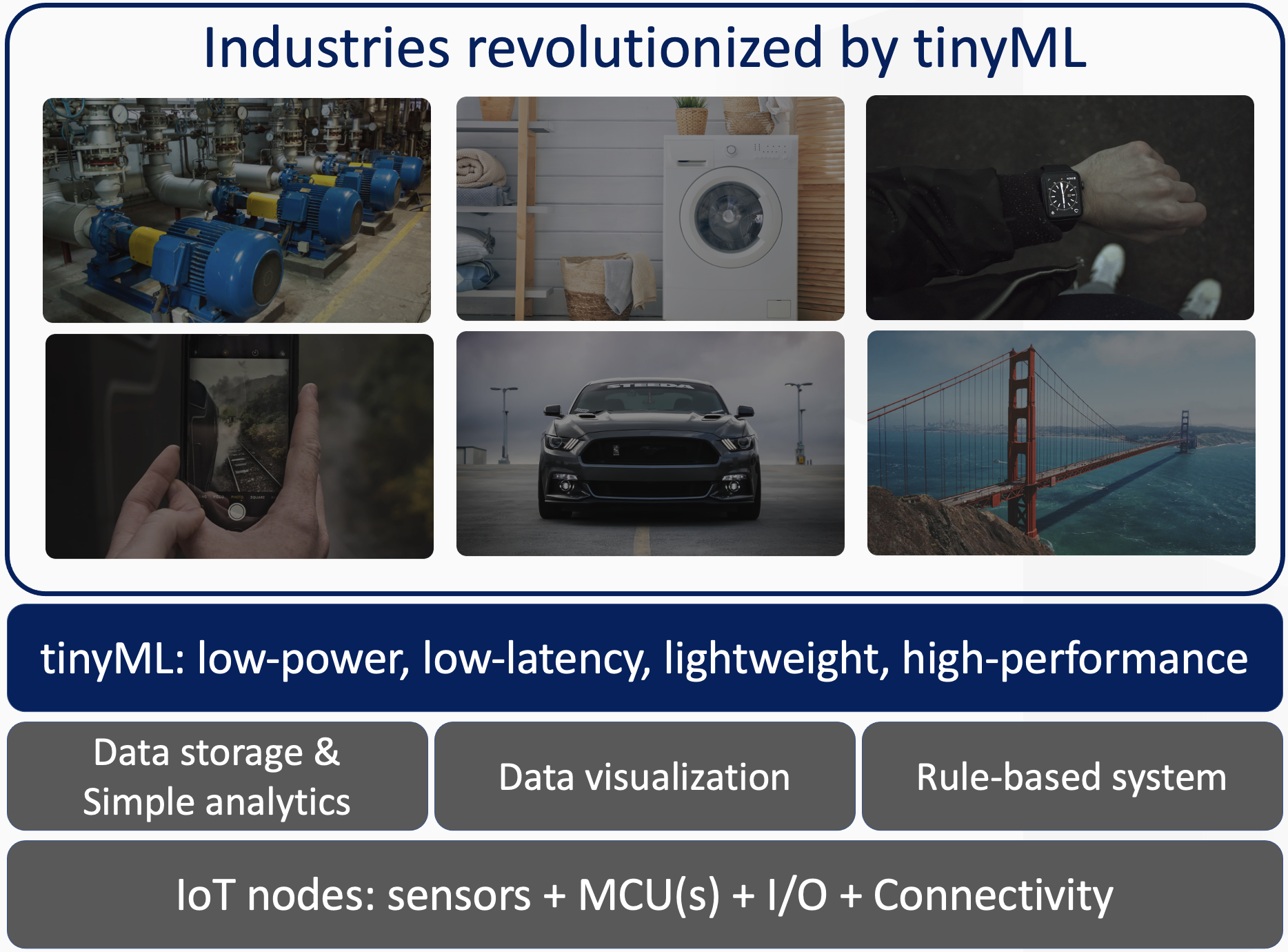
Figure 1: tinyML Adds Advanced Functionalities to Traditional IoT Devices (Source: Qeexo)
Automated machine learning streamlines the entire workflow—from sensor configuration and data collection to model training and deployment—using platforms such as Qeexo AutoML. The system builds lightweight, high‑performance models for ARM Cortex‑M0‑to‑M4 MCUs and other constrained environments.
click for full size image
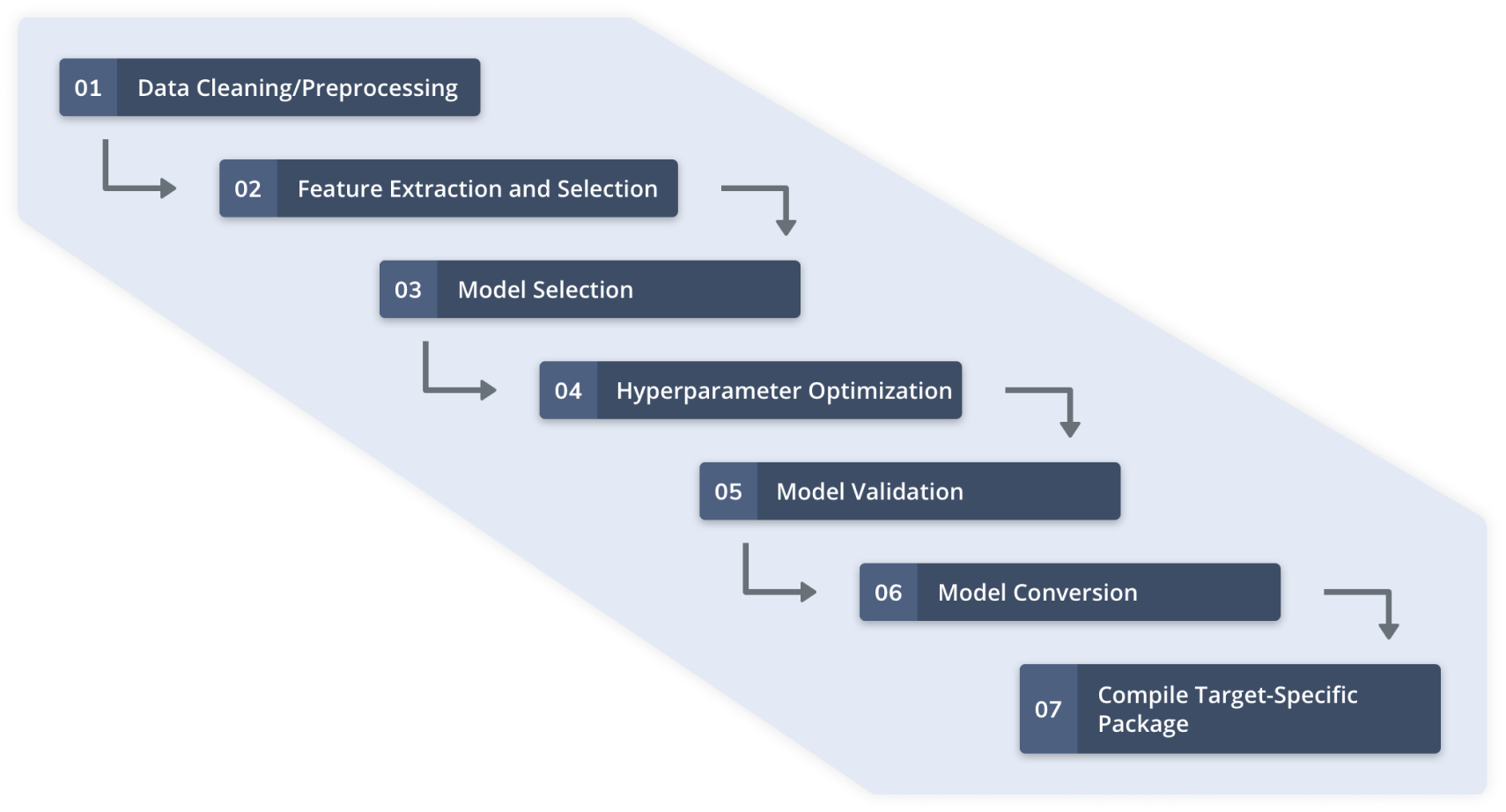
Figure 2: Qeexo AutoML Workflow (Source: Qeexo)
tinyML with ARM® Cortex™ M0+ Architecture
IoT growth demands ever‑smaller, more energy‑efficient MCUs. ARM Cortex‑M0+ chips, running at 48 MHz, are common on sensor boards because they consume only 7 mA per I/O pin—half the 15 mA of the higher‑end Cortex‑M4, which operates at 64 MHz.
However, the M0+ architecture sacrifices memory and compute capability. It supports only 32‑bit fixed‑point operations, lacks saturation arithmetic, and omits DSP features. For instance, the Arduino Nano 33 IoT (Cortex‑M0+) offers 256 KB flash and 32 KB SRAM, while the Arduino Nano 33 BLE Sense (Cortex‑M4) delivers 32‑bit floating‑point, DSP, saturation arithmetic, and four times the flash and eight times the SRAM.
Deploying ML on the M0+ presents three core challenges:
- Fixed‑point compute: Sensor‑based ML often relies on signal processing, feature extraction, and inference. Extracting statistical and frequency features (e.g., FFT) from non‑stationary streams is essential for high‑quality models, but doing so in fixed‑point representation while preserving precision is difficult.
- Low memory capacity: 256 KB flash and 32 KB SRAM constrain model size and runtime memory. Complex decision boundaries usually require deep trees or many boosters, increasing memory usage. Shrinking models often hurts performance.
- Low CPU speed: Millisecond‑level latency matters for commercial deployments. The M0+’s 48 MHz clock is substantially slower than the 64 MHz M4, affecting inference speed.
AutoML M0+ Framework
Qeexo AutoML tackles these hurdles with a fully fixed‑point pipeline optimized for the Cortex‑M0+. The workflow handles sensor data, feature computation, and inference for tree‑based ensembles—GBM, RF, and XGBoost—using compact data structures and efficient inference logic. Figure 3 illustrates this pipeline.
click for full size image
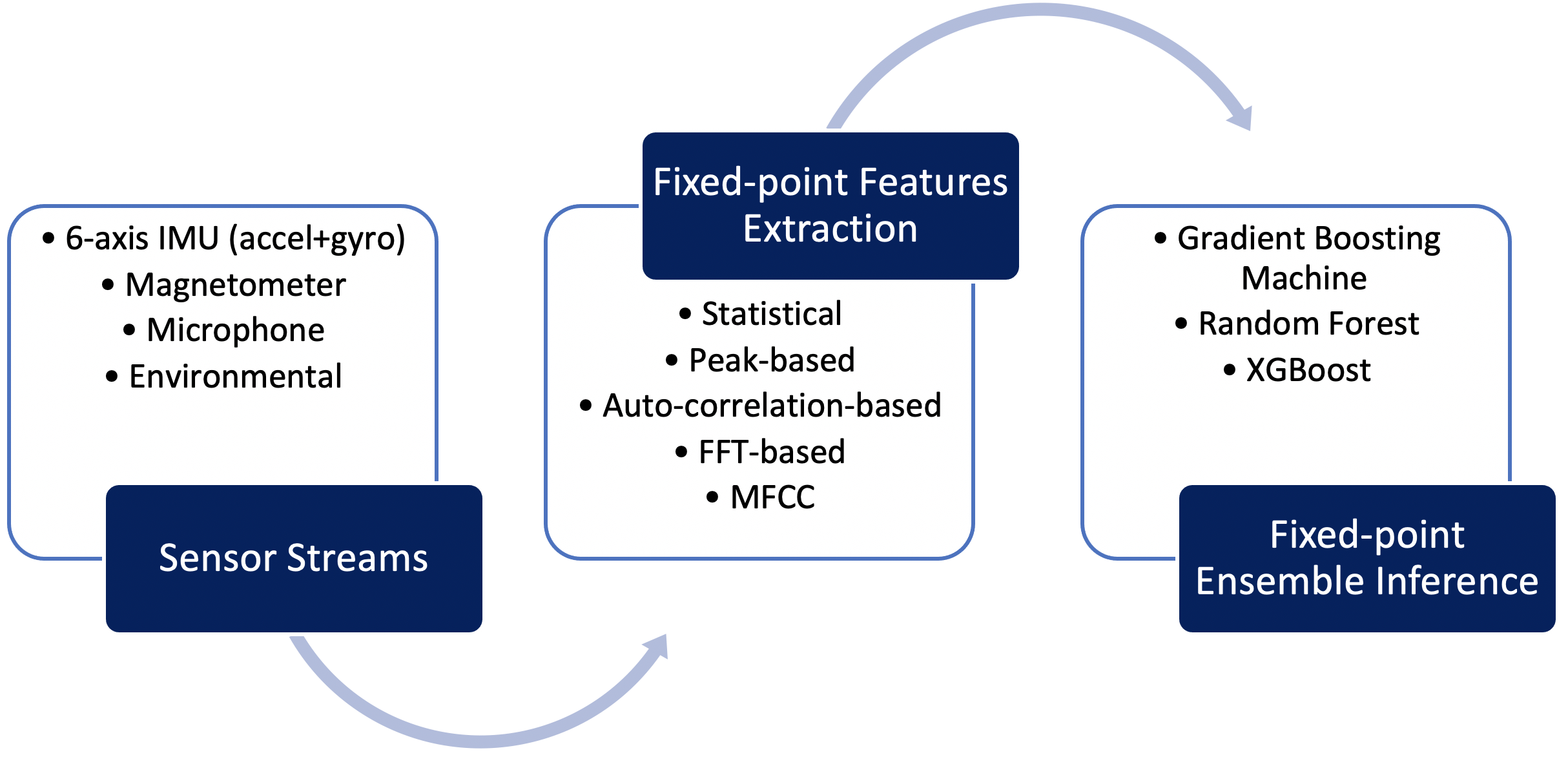
Figure 3: Qeexo AutoML M0+ Inference Pipeline (Source: Qeexo)
The platform applies patent‑pending model compression and quantization, reducing memory footprints without sacrificing accuracy. Figure 4 details the training pipeline for Cortex‑M0+ targets.
click for full size image
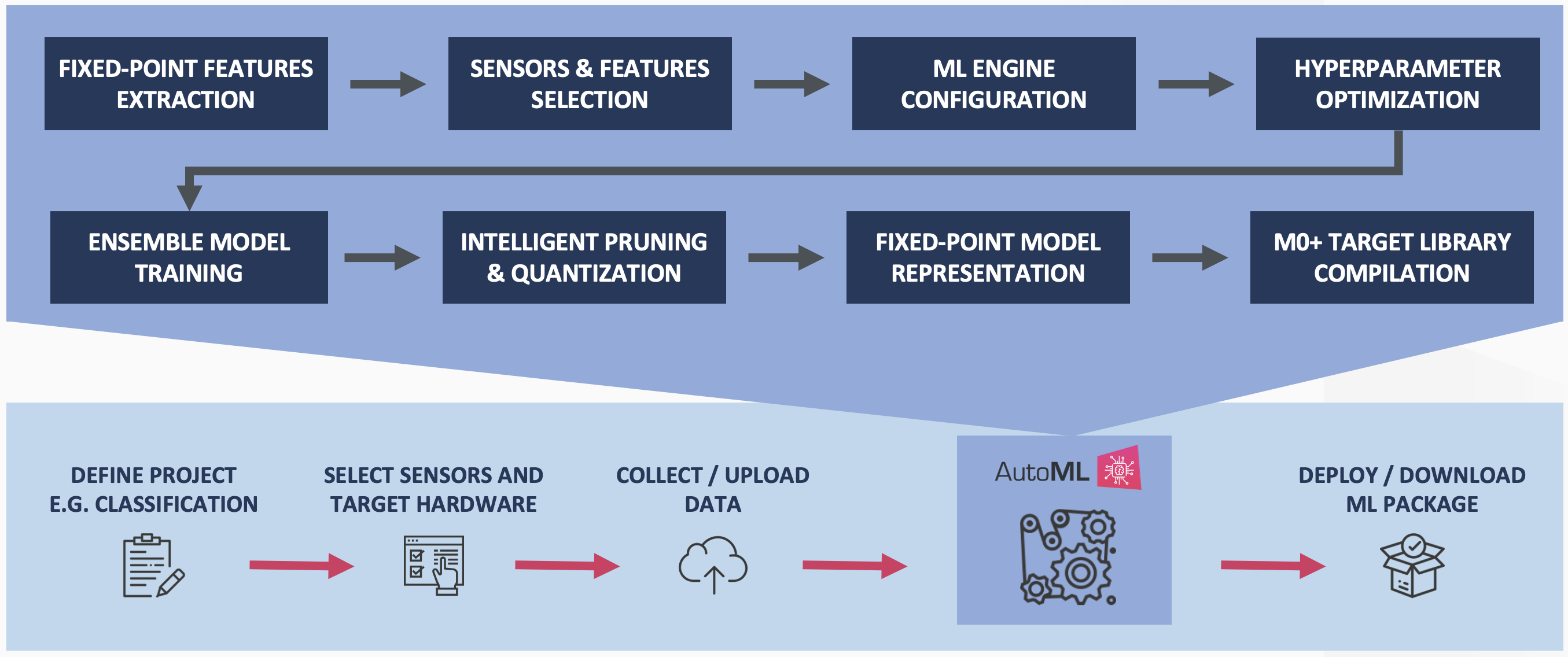
Figure 4: Qeexo AutoML M0+ Training Pipeline (Source: Qeexo)
Intelligent Pruning
Rather than building a small model from the start, Qeexo AutoML first trains a large ensemble and then selectively retains the most powerful boosters. This strategy yields higher performance and greater compression. Figure 5 shows that the compressed model is roughly one‑tenth the size of the full model while delivering superior cross‑validation accuracy.
click for full size image
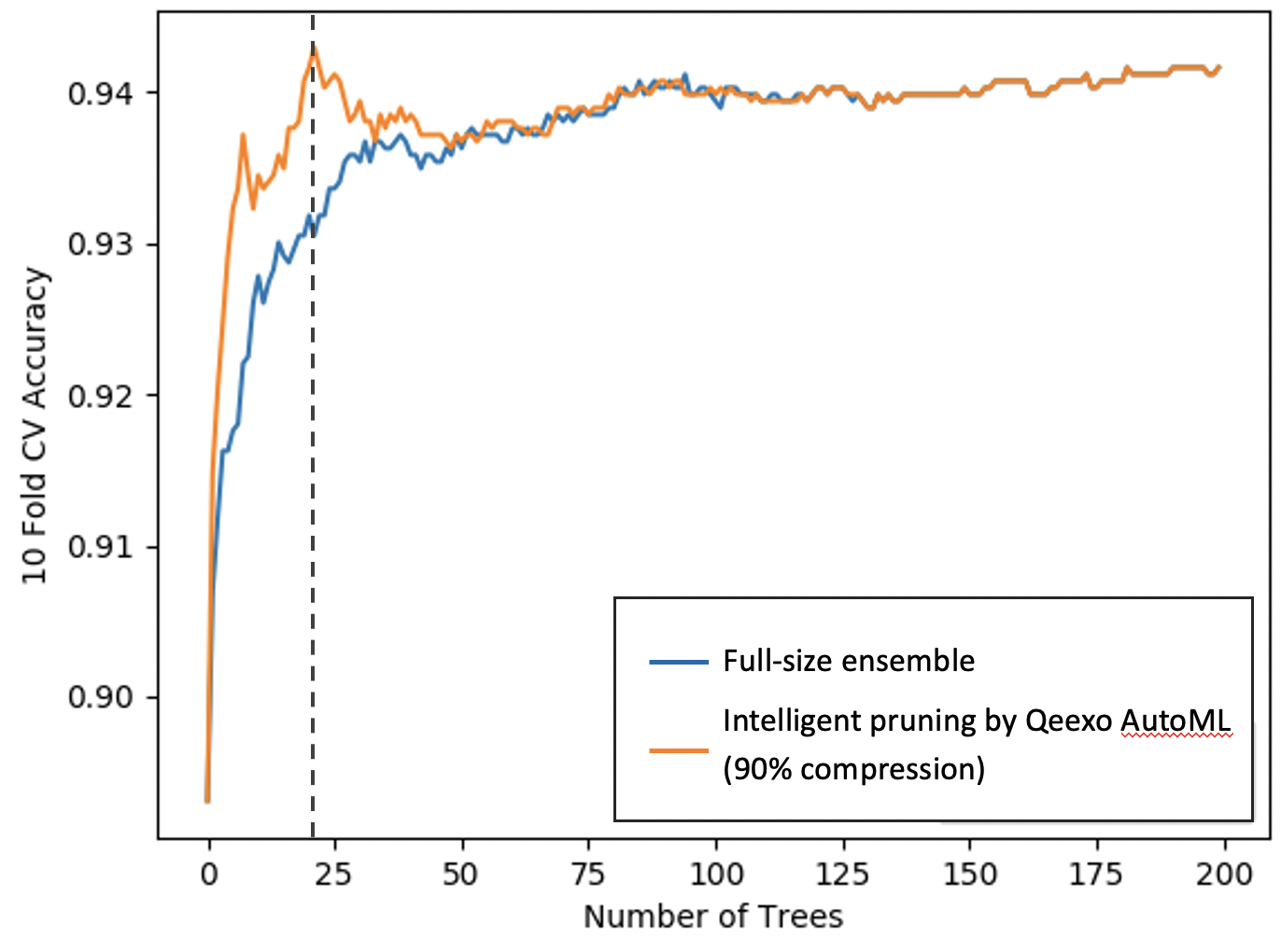
Figure 5: Qeexo AutoML Intelligent Model Pruning (Source: Qeexo)
Ensemble Model Quantization
Qeexo AutoML extends post‑training quantization—common in neural networks—to ensemble algorithms. This patented approach further shrinks model size and boosts MCU‑level latency while preserving performance. The M0+ pipeline produces 32‑bit fixed‑point models; optional 16‑bit or 8‑bit quantization halves or quarters the size, respectively, and accelerates inference by 2–3×.
Example Use‑Cases of tinyML
- Smart wall lighting: By attaching an accelerometer and gyroscope to a wall, users can learn “knock” and “wipe” gestures to control lighting. Qeexo AutoML builds a real‑time gesture model in minutes, enabling intuitive, touch‑free interaction.
- Intelligent shipping: AI‑enabled boxes detect how shipments are handled from origin to destination, ensuring compliance with handling guidelines and reducing damage.
- Smart kitchen countertops: TinyML models recognize kitchen appliances and operations, providing context‑aware automation and safety features.
- Machine fault detection: Sensors on industrial equipment identify fault patterns in real time, allowing proactive maintenance and minimizing downtime.
- Anomaly detection: By modeling healthy operating states, Qeexo AutoML identifies deviations—critical in environments where fault data is scarce but healthy data is plentiful.
- Wearable activity recognition: TinyML classifies daily activities using on‑device sensor data, delivering instant feedback without cloud dependency.
Internet of Things Technology
- MQTT vs. DDS: Choosing the Right M2M Protocol for IoT
- Building Hybrid Blockchain-Cloud Applications with Ethereum & Google Cloud
- IoT Sensors: Functionality, Types, and Real‑World Applications
- Analog vs Digital Sensors: Types, Applications, and Practical Examples
- How Robust Data Management Drives Machine Learning and AI in Industrial IoT
- Elevate Asset Reliability: Harness Machine Learning for Proactive Asset Performance
- Boost Reliability and Cut Downtime: Machine Learning Transforms Maintenance
- Machine Vision: Driving Industry 4.0 and the Industrial IoT
- Enhancing Industrial Safety Through IoT and IIoT Integration
- Precise Tank Level Monitoring with IoT: Reliable, Efficient, Industrial-Grade Solutions