



Balancing Connectivity and Security: A Risk‑Based Approach for Machine Builders
In today’s manufacturing landscape, connectivity unlocks powerful efficiencies—remote service, real‑time data analytics, and new revenue streams. Yet each connection also expands the attack surface. The challenge is to weigh tangible benefits against cybersecurity risks and make informed, evidence‑based decisions.
Growing Demand for Connected Machinery
When production stalls, customers expect rapid support to keep lines running. Simultaneously, many plants face a shortage of PLC experts and a surge in customer requests for proactive maintenance and data‑driven insights. Connecting machines satisfies these pressures by enabling faster issue resolution and richer data collection.

Why Connect Machines to the Internet?
There are two core motivations:
Remote Service
Remote access transforms service delivery: engineers can diagnose, update, and calibrate machines from any location, reducing travel time and downtime. This agility boosts customer satisfaction and lowers operational costs.
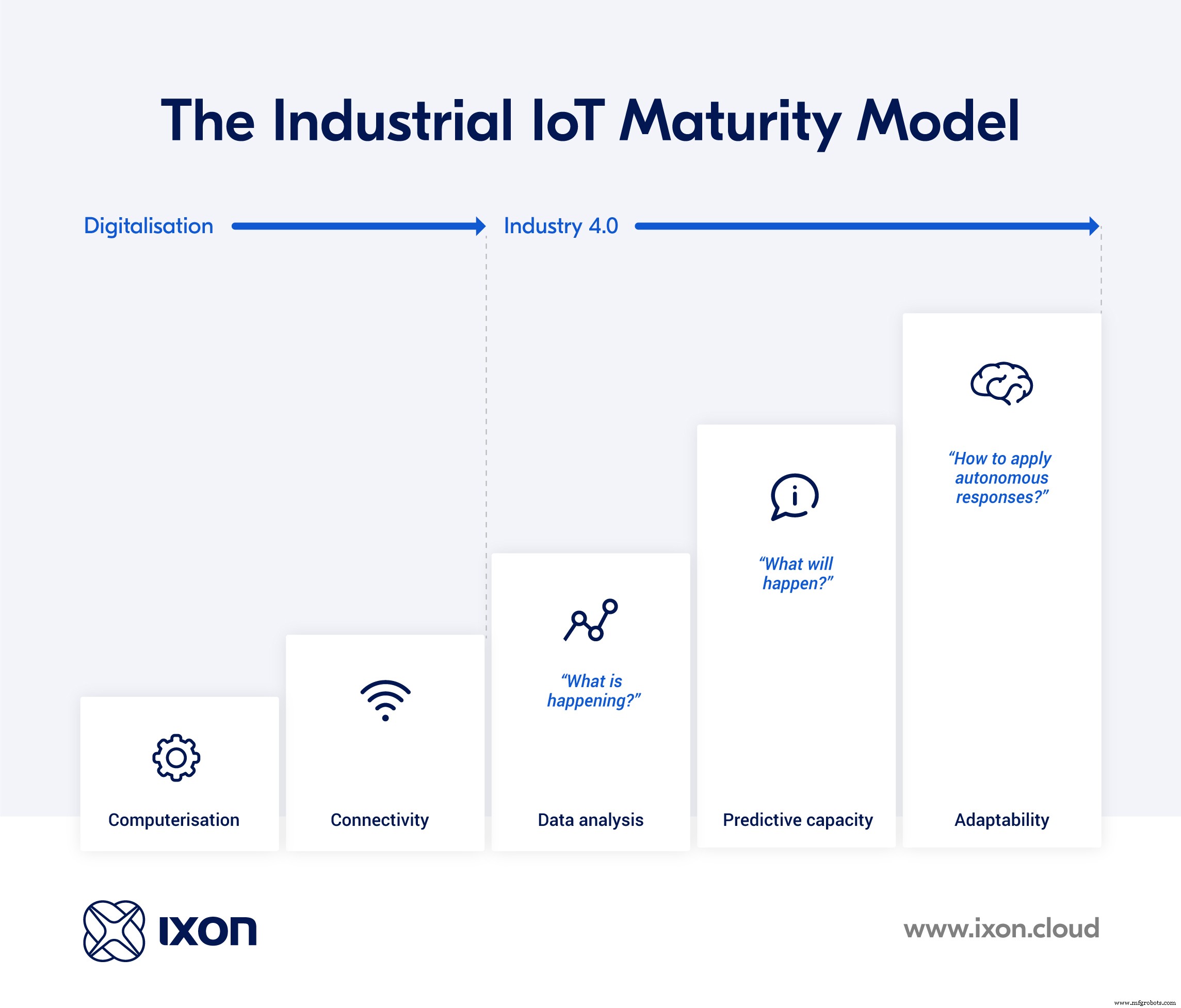
Data Analysis
Collecting machine telemetry uncovers hidden patterns—performance bottlenecks, wear‑out indicators, and efficiency opportunities. Analyzing this data drives continuous improvement, informs new business models, and creates recurring revenue streams.
However, every internet connection introduces cyber‑threats. The first defense is awareness; the second is a robust security posture that protects the machine throughout its lifecycle. Ultimately, you must decide whether the anticipated gains justify the potential risks.
Weighing Technical and Business Risks
Effective risk management starts with a clear, objective assessment of both technical and commercial threats.
Technical Risks
Common pitfalls include weak firewalls, unpatched firmware, and insecure remote access protocols—all of which can expose factory networks to attackers. Evaluate each risk’s likelihood and potential impact using the formula below:
Likelihood × Impact = Risk Score
Assign numeric values to likelihood and impact, multiply them, and rank the resulting scores. Focus mitigation efforts on the highest‑scoring scenarios, then choose one of three strategies:
- Avoid: Do not connect the machine if the risk outweighs the benefit.
- Reduce: Implement controls—strong firewalls, role‑based access, and regular patching—to lower the risk score.
- Insure: Accept the risk but transfer potential losses through cyber insurance.
Business Risks
Opting out of connectivity can mean missed opportunities: delayed innovation, lost predictive‑maintenance revenue, and lower customer satisfaction. Compare these losses against the costs of securing and maintaining connected infrastructure. Ask whether connectivity will reduce production downtime, unlock new services, or support scalable growth.
After quantifying both technical and business risks, you can make a balanced, data‑driven decision.
Mitigating Risks and Communicating with Customers
Like everyday email, connectivity is not secure by default but indispensable. Protecting it involves layered defenses—encrypted communication, secure credentials, employee training, and continuous monitoring.
Every situation is unique, so generic guidelines are insufficient. The key is to identify which risks are acceptable and to articulate a concrete risk‑reduction plan. Present this plan to customers, demonstrating your commitment to security and the tangible benefits they will enjoy.
At IXON, we help you navigate these complexities. Our security officer can review your architecture, recommend best practices, and support customer outreach.
[[Book a call]]
Related Topics
- Why cybersecurity should be top of mind for machine builders
- How to keep your machines secure over the next 15 years
- How to safely connect a machine in a factory network
Internet of Things Technology
- The Hidden Cost of Inaction: Protecting Your Manufacturing Plant from Cyber Threats
- Securing the Industrial IoT: A Practical Roadmap
- Two Essential Strategies for IoT Security
- Designing Security into the Industrial IoT: Expert Guidelines for Protecting IIoT Systems
- Cellular IoT: Unlocking the Advantages of CIoT Connectivity
- Secure and Real‑Time Machine Data Logging with IXON Cloud
- Bridging the Gap: Making Machine Learning Accessible at the Edge
- Why Mastering Machine Troubleshooting is Critical for Modern Manufacturers
- Understanding Machine Screw Design: Shapes, Threads, and Applications
- Understanding the Security Industry: Products, Services, and Global Impact