



Maximizing IoT for Restaurants: Boost Efficiency, Reduce Waste, and Delight Customers
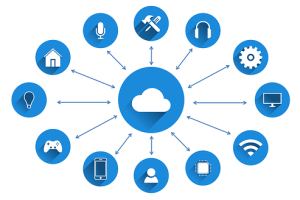
The Internet of Things (IoT) is reshaping the restaurant industry by turning everyday equipment into intelligent, data‑driven assets. By embedding sensors, smart devices, and cloud analytics, restaurants can automate routine tasks, reduce waste, and deliver a consistently superior guest experience.
In hospitality, service quality is the single most critical success factor. Yet many establishments still rely on manual processes—manual sign‑on, phone‑order tracking, and basic inventory checks—leading to costly errors and missed opportunities. The real challenge is leveraging digital transformation to eliminate these inefficiencies while maintaining the human touch that diners value.
IoT connects appliances, equipment, and even the physical environment to the cloud, allowing real‑time data collection, predictive maintenance, and autonomous decision‑making. Machines can now analyze inputs and act without human intervention, freeing staff to focus on creativity and customer service.
Before IoT in Restaurants
Prior to the rise of big data, IoT, and AI, many restaurants operated on paper and intuition. Simple oversights—such as an employee forgetting to flip the “Open” sign, a missed call from a customer, or a walk‑in fridge left ajar—could translate into lost revenue, food spoilage, and a negative reputation. At that time, there was no systematic way to quantify or prevent these losses.
Today, IoT turns every object into a data source. Whether it’s a sensor, a smart refrigerator, or even a connected deep fryer, the goal is the same: to gather actionable insights that drive operational excellence.
For example, Rob Scheiper, who manages technology for 87 Domino’s Pizza franchises across the U.S., leveraged Voice‑Over‑IP (VoIP) to route incoming calls, split lines for drivers and suppliers, and capture call analytics. This simple implementation doubled available lines, streamlined communication, and laid the groundwork for more advanced IoT deployments.
IoT Solutions for Restaurants
On‑Demand Delivery & Smart Kitchen Monitoring
Imagine a kitchen where oil levels, temperature, and inventory are monitored automatically. Sensors in fryers and ovens transmit data via cellular units to a cloud dashboard, alerting staff before supplies run low or equipment fails. This not only reduces waste but also ensures consistency and safety.

Beyond cooking equipment, the same system can track refrigerated stock, monitor how many plates or glasses are on a shelf, and trigger automatic reordering. The result is a leaner inventory, fewer last‑minute shortages, and lower operating costs.
Customer Communications via Digital Signage
Digital displays are a proven way to engage diners. Cloud‑based signage platforms allow restaurant owners to publish dynamic content—menu highlights, promotional offers, real‑time weather, or customer testimonials—in seconds. Restaurants can also broadcast live updates, emergency alerts, or social media feeds, creating a seamless connection between the venue and its guests.
Hyper‑Personalization and Self‑Service
Brands like McDonald’s, Pizza Hut, and Domino’s already employ connected ordering systems that let customers place and pay for orders without staff interaction. The next evolution is hyper‑personalized menus where guests can build their meals from scratch, adjusting portion sizes, ingredient swaps, and nutritional targets. This level of customization caters to dietary preferences—vegetarian, vegan, paleo, low‑carb, gluten‑free—making every visit feel tailored.
Looking Ahead
Commercial kitchens are becoming increasingly upgradeable and retrofittable. As IoT continues to mature, we can expect new user experiences, advanced machine capabilities, innovative business models, and deeper collaborations across the food industry. The future of dining will be smarter, more efficient, and highly personalized.
Author: Vikash Kumar Chaudhary, Manager at Tatvasoft.com, a leading software and .NET development company. He regularly publishes insightful blogs on IoT and emerging technology trends.
Internet of Things Technology
- Unlocking IoT Data: How Business Rules Management Drives Enterprise Value
- How to Build and Validate IoT Business Models That Work – A Practical Guide
- How IoT is Revolutionizing Inventory Tracking
- How IoT is Revolutionizing Construction: Safety, Visibility, and Asset Management
- Unlock New Revenue Streams with IXON Cloud: 5 Proven IoT Business Models
- How IoT Will Transform Your Business
- Strategic IoT Integration: A Proven Path to Business Growth
- The Internet of Things: Transforming the Digital Landscape
- Maximize Warehouse Efficiency: Proven Strategies to Optimize Space & Boost Profits
- Maximizing the Value of Flexible Heaters in PCB Design