



The Critical Role of Precision Tooling in Successful Prototyping
In fabrication, meticulous attention to detail distinguishes a mediocre product from a truly exceptional one. Precision tooling isn’t just a supportive step; it’s the foundation that guarantees a prototype’s fidelity, reduces downstream costs, and safeguards product quality from concept to mass production.
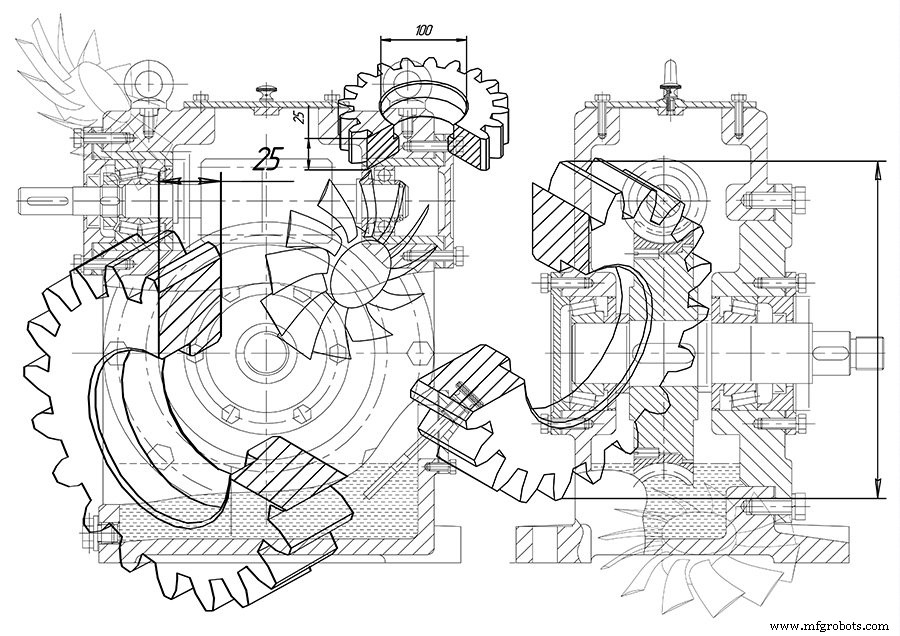
Tooling: The First Step to Physical Prototyping
Before a design can be mass‑produced, it must first be validated through a viable prototype. The journey to that prototype begins with tooling—creating dies that translate schematic drawings into tangible parts. Even early in the process, accurate tooling yields prototypes that can be rigorously evaluated, ensuring the final product will perform as intended.
High‑quality tooling also accelerates the iteration cycle. While multiple prototype refinements may still be required, a solid tooling foundation eliminates a common bottleneck, keeping projects on schedule.
Adopting a Tooling‑First Mindset
Effective tooling demands a strategic mindset. It’s not enough to merely cut a die to specification; you must align every variable with the product’s intended application. Key considerations include:
- Purpose and scope of the end product
- Die specifications and required tolerances
- Material selection and associated costs
- Budget and timeline for die development
By thoroughly assessing these factors, you set realistic expectations for die integrity, prototype efficacy, and overall project management. The goal is to ask not only “What are the specs?” but also “Are the specs correct?” This disciplined approach drives purposeful prototyping.
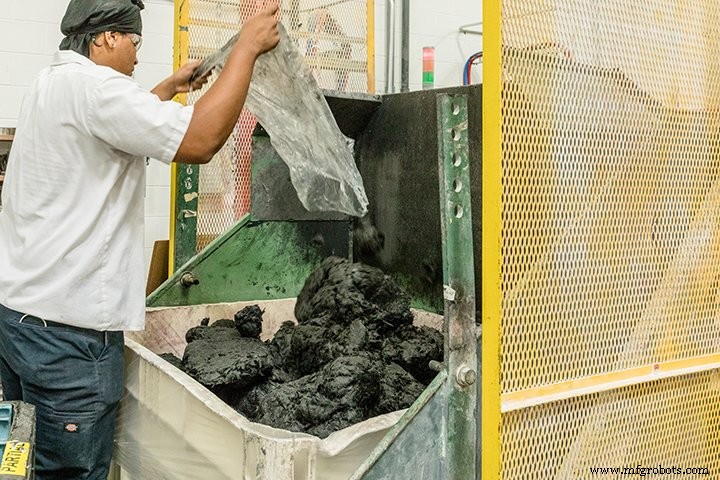
Tooling as a Collaboration Opportunity
Customers often view tooling as the bridge between design intent and manufacturable reality. While they may excel in conceptualizing a product, the nuances of physical production—material selection, molding method, and value engineering—require specialized expertise. During tooling, ask yourself:
- Which bulk molding compound (BMC) best suits the design?
- What is the optimal material source?
- Should the part be molded via compression or injection?
- Where can value engineering reduce cost without compromising quality?
These collaborative decisions shape the prototype’s integrity and, ultimately, the final product’s performance. Partnering with a tooling expert early ensures that the design evolves into a production‑ready solution.
For precision‑driven prototypes, Mar‑Bal offers an industry‑leading tooling strategy that accelerates development and delivers high‑caliber results. Speak with one of our project managers today to discuss your tooling needs. We’ll provide the oversight required for a smooth, efficient process. Call 440‑543‑7526 or visit our website for more information.
Composite material
- Why Mechanical Design Services Are Essential for Product Success
- Why Prototyping Is Critical for Product Design Success
- 5 Proven Principles for Designing Reliable Wireless IoT Products
- Rapid Prototyping for Product Development: A Practical Guide
- Optimizing Fixtures and Tooling for Additive Manufacturing
- Design for Manufacturing: A Strategic Blueprint for Cost Efficiency and Quality
- Design for Assembly: Enhancing Product Manufacturing Efficiency
- Scaling Additive Manufacturing from Prototyping to Production: Unlocking Design Flexibility and Cost Savings
- Mastering Tooling & Mold Design: Your Essential Manufacturing Guide
- CNC CAD Design for Product Designers: A Comprehensive Overview