



The Strengthening Mechanisms Behind TZC Alloy: Molybdenum‑Titanium‑Zirconium‑Carbon Alloys
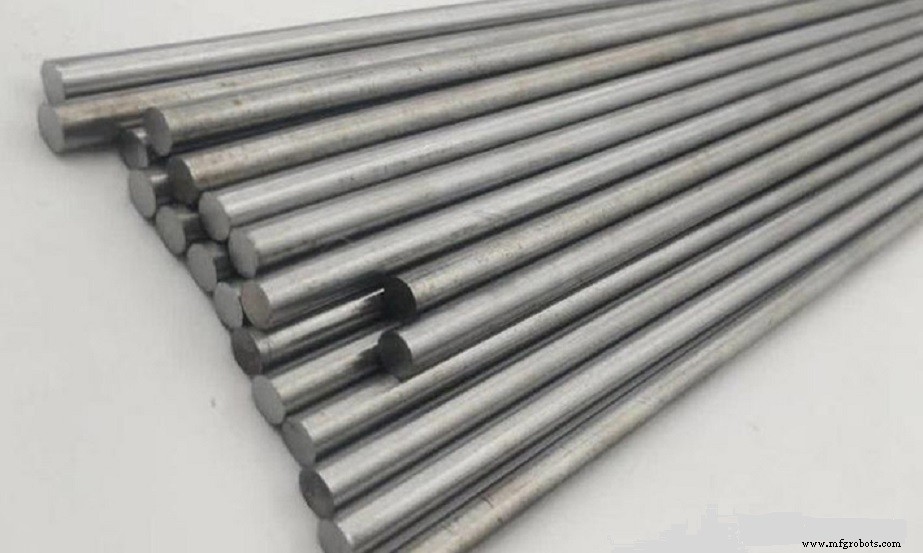
Understanding TZC Alloy
TZC alloy—an advanced molybdenum‑titanium‑zirconium‑carbon (Mo‑1.25Ti‑0.15Zr‑0.15C) material—offers superior high‑temperature performance and strength compared to its TZM counterpart. Its unique microstructure is the key to its remarkable properties, making it ideal for high‑temperature metal processing tools.
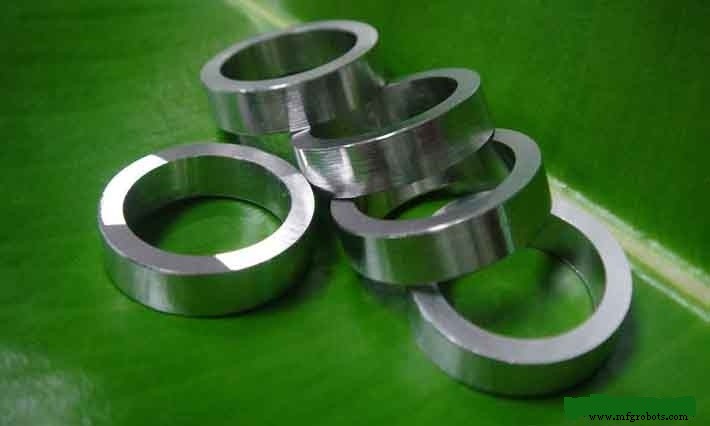
Strengthening Mechanism of TZC Alloy
Key Strengthening Mechanisms
• Precipitation Hardening: The alloy’s high Ti, Zr, and C contents form Mo2C, TiC, and ZrC phases. During controlled heat treatment, TiC dissolves first, followed by ZrC and Mo2C. Subsequent aging precipitates a fine distribution of TiC, creating a robust precipitation‑strengthened matrix.
• Solid Solution Strengthening: Zirconium atoms in solid solution increase lattice distortion, raising yield strength and enhancing TiC stability.
• Age‑Hardening Effect: Aging at ~1,927 °C (1,700 °C) optimally balances phase dissolution and precipitation, achieving peak hardness at room temperature.
These mechanisms collectively yield a high‑strength, high‑temperature alloy suitable for demanding forging, extrusion, and rolling operations.
Manufacturing Process
TZC alloy is fabricated using the same techniques as TZM:
- Melting & Casting – High‑purity Mo, Ti, Zr, and C powders are melted and cast into ingots.
- Powder Metallurgy – A more controlled route that enables finer microstructures. Mechanical crushing of molybdenum powder improves particle bonding and pressing performance, leading to higher density anvil components.
- Deformation Techniques – Extrusion, forging, and rolling transform the ingot into final components.
Conclusion
Understanding TZC’s microstructural evolution is essential for engineers seeking to harness its full potential in high‑temperature applications. For further insights into molybdenum, titanium, and zirconium alloys, we recommend exploring the resources at Advanced Refractory Metals (ARM).
ARM, headquartered in Lake Forest, California, is a global leader in refractory metals and alloys—including niobium, molybdenum, tantalum, rhenium, tungsten, titanium, and zirconium—offering high‑quality materials at competitive prices.
Metal
- Corrosion‑Resistant Zirconium Alloys: Key Properties & Applications
- Alloy 31 Stainless Steel Plate – Superior Strength & Ductility for Extreme Environments
- ASTM Alloy 20 Heat‑Treated Stainless Steel – Properties & Performance
- FeNi42 Alloy: Low Thermal Expansion for Precision Seals
- ALLOY 1.4547 Plate – 6 Mo Super Austenitic Steel for High‑Corrosion Resistance
- Alloy 718 – High‑Performance Nickel‑Chromium Steel
- AA 2219 T3 Aluminum Alloy – Superior Strength & Heat Resistance
- AA 2219 T8 Aluminum Alloy – High Strength, Heat‑Resistant, Ideal for Advanced Metalworking
- Alloy 52 Plate – High-Performance Nickel-Iron Composite for Industrial Applications
- Alloy 52 Bar: High-Performance Nickel-Iron Steel with Superior Strength