



3D Printing Drives Innovation in Refractory Metal Parts for the U.S. Navy’s Trident D5 Missile System
3D Printing Drives Innovation in Refractory Metal Parts for the U.S. Navy’s Trident D5 Missile System
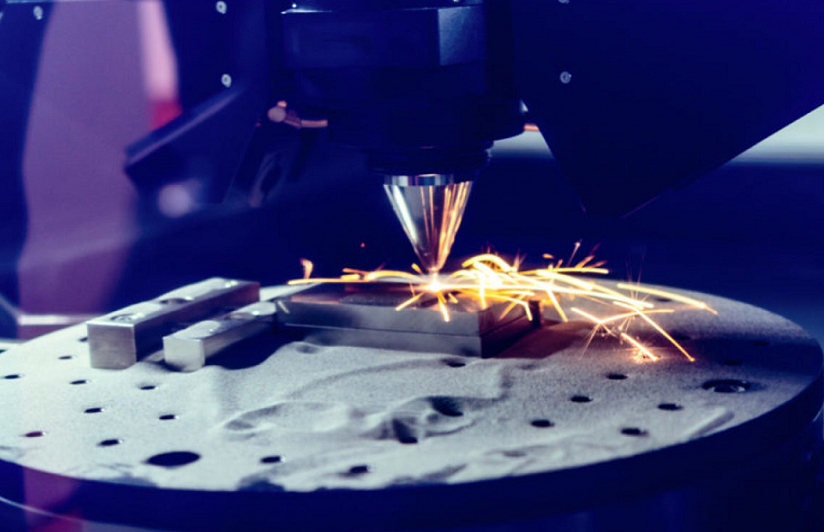
3D printing has long been a cornerstone of advanced manufacturing in the defense and aerospace sectors. Metal Technologies (MTI), a leading Oregon‑based additive‑manufacturing provider, secured a contract with the U.S. Navy to develop and demonstrate cutting‑edge aerospace 3D‑printing techniques. The goal: produce high‑performance refractory metal components for the Navy’s missile propulsion systems at lower cost and with shorter lead times.
Refractory Metal Components in the Trident D5 Missile
The propulsion system is a critical element of the Trident D5, a submarine‑launched ballistic missile (SLBM) manufactured by Lockheed Martin Space Systems. Deployed aboard Ohio‑class strategic nuclear submarines since March 1990, each vessel carries 24 Trident D5 missiles that can strike targets up to 11,000 km away with an accuracy of approximately 90 m.
Scheduled to remain in service through 2042, the missile’s propulsion relies on refractory metal parts that are notoriously difficult and labor‑intensive to produce. MTI’s partnership with the Navy will harness advanced additive manufacturing to simplify these components, cut production costs, and reduce cycle time.
Project Highlights
MTI CEO Gary Cosmer explained: "The first phase of this project is to develop processes and demonstrate the use of C103 niobium alloys to manufacture simplified, subscale components, and to provide other refractory metal/alloy (including molybdenum, tantalum) manufacturing methods. We are very pleased to be part of this important project and look forward to leveraging our rich experience in these materials for more than 40 years, combined with our additive manufacturing expertise, to develop truly innovative solutions."
Engineering Director Jason Stitzel added: "Key performance requirements for additive manufacturing of refractory metal products include withstanding 550 psi pressure for more than 10 minutes in a high‑temperature gas environment exceeding 3,200 °F, and achieving or exceeding mechanical properties from traditional processing methods."
Founded in 1971, MTI specializes in enabling customers to use refractory metals and alloys—such as tantalum, niobium, zirconium, tungsten, molybdenum, and titanium—more efficiently, reliably, and flexibly across a wide range of applications.
Conclusion
Thank you for reading. If you’d like to explore refractory metals and alloys further, we recommend visiting Advanced Refractory Metals (ARM) for comprehensive information.
Headquartered in Lake Forest, California, Advanced Refractory Metals (ARM) is a global leader in the supply of high‑quality refractory metals. They provide a broad portfolio—including tungsten, molybdenum, tantalum, rhenium, titanium, and zirconium—at competitive prices.
Metal
- Refractory Metal Powders Set to Revolutionize 3D Printing
- Refractory Metal Powders vs. 3D Printing: Cutting‑Edge Additive Manufacturing for High‑Temperature Metals
- 5 Key Advantages of 3D Printing for Modern Manufacturing
- Top Metal 3D Printing Materials: Unlocking Additive Manufacturing’s Potential
- Metal 3D Printing 101: How Additive Manufacturing Transforms Production
- Metal 3D Printing: Revolutionizing Production with Speed, Cost Savings, and Design Freedom
- Top 5 Metal 3D Printing Applications Revolutionizing Manufacturing
- Revolutionizing Mold Production: 3D Printing in the Mold Manufacturing Industry
- VDMA Unveils Comprehensive Roadmap for Additive Manufacturing and Industry 4.0
- Essential Machines in Modern Metal Fabrication