



Tesla & Panasonic Pioneering Cobalt-Free Batteries for EVs

In recent years, soaring cobalt prices and the rapid expansion of the electric‑vehicle market have created a global supply squeeze. To address this challenge, leading battery manufacturers are advancing technologies that significantly reduce, and ultimately eliminate, cobalt from lithium‑ion cells.
Panasonic has already lowered cobalt usage in its latest automotive‑grade ternary lithium battery. The company is actively working toward a future where cobalt is absent from car batteries altogether.
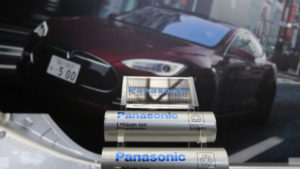
The ternary lithium (NCM) chemistry—composed of nickel, cobalt, and manganese—offers high energy density, making it the preferred choice for EV powertrains. However, its reliance on cobalt, a rare and non‑renewable element, raises cost and supply concerns. Consequently, many automakers are seeking cobalt‑free alternatives to meet regulatory and consumer demands for safer, more sustainable batteries.
Typical NCM cells contain a relatively high cobalt fraction. Industry estimates suggest that one ton of NCM material consumes roughly 0.4 tons of lithium carbonate. Forecasts indicate that global cobalt demand for EV batteries could reach 35,600 tons by 2020, with power batteries accounting for about 42% of total cobalt consumption.
These figures underscore the urgency: as governments worldwide push for zero‑emission fleets—Paris aims to ban petrol and diesel cars by 2040, Germany targets 100% zero‑emission vehicles by 2030, and Norway plans to end fuel‑efficient car sales by 2025—cobalt‑free battery chemistry becomes a strategic imperative.
Panasonic supplies the Model 3 battery for Tesla’s mass‑market lineup. Produced at Tesla’s Gigafactory Nevada, these cells achieve high capacity density while substantially reducing cobalt content. By boosting nickel levels, the design also preserves thermal stability, addressing one of the key safety concerns in EV batteries.
For more detailed insights, visit SAMaterials.
Metal
- Tantalum Products Explained: Powder, Wire, Capacitors & Their High-Tech Applications
- 13 Types of Refractory Materials and Their Key Industrial Applications
- Advancing Lithium‑Ion Batteries: Binder‑Free Electrode Technology for Higher Energy Density
- Robotics in the Workplace: 3 Transformative Ways Automation Will Reshape Your Business
- RPA vs Conversational AI: Key Differences and Shared Benefits for Your Business
- Electric Vehicle Battery Systems: Design, Development, and Emerging Trends
- Choosing the Right Battery for Your Robot: A Guide to Rechargeable Options
- DIY 12‑Volt Battery: Simple, Reliable Guide for Electronics Enthusiasts
- Oxygen‑Free Copper: Premium Conductivity and Corrosion‑Resistant Applications
- Maximize Heavy Equipment Longevity: Why Regular Battery Maintenance & Replacement Matters