



Understanding Refractory Metals: Properties, History, and Modern Applications
Understanding Refractory Metals: Properties, History, and Modern Applications
Refractory metals—those with melting points above 3632°F—play a pivotal role in high‑temperature and high‑stress environments. This article provides a comprehensive overview of their chemistry, discovery, processing techniques, and key industrial uses.
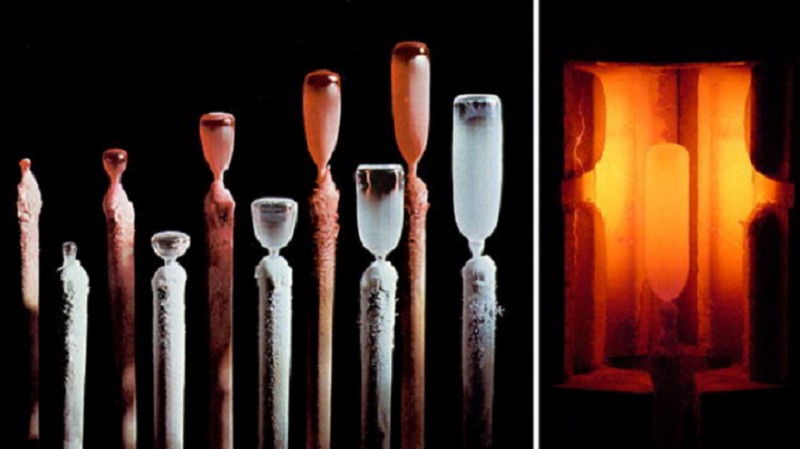
What Are Refractory Metals?
Refractory metals encompass tungsten, tantalum, molybdenum, niobium, hafnium, chromium, vanadium, zirconium, and titanium. These elements are distinguished by their exceptional melting points, high densities, and robust mechanical properties.
When combined with other alloying elements, they form refractory metal alloys such as tungsten‑chromium, molybdenum‑rhenium, and titanium‑aluminum. These alloys are fabricated into sheets, strips, foils, pipes, bars, threads, profiles, and powder‑metallurgy products—including tantalum bars, molybdenum wires, and tungsten plates.
Historical Milestones in Refractory Metal Discovery
- 1782 – Molybdenum discovered by Swedish chemist J. Hjelm.
- 1783 – Tungsten isolated by the de Lure brothers in Spain using carbon reduction.
- 1798 – Chromium extracted by French chemist L. Vauquelin.
- 1866 – Niobium isolated via hydrogen reduction of niobium chloride by C.W. Blomstrand.
- 1903 – Tantalum first isolated by German chemist Bolton.
- 1824 – Zirconium identified; 1910 – Titanium discovered.
- 1925 – Rhenium found, completing the core group of refractory metals.
Evolution of Processing Technologies
- 1909 – W. D. Coolidge pioneered powder metallurgy to produce tungsten billets, later spun into light‑bulb filaments.
- 1910 – Molybdenum began manufacturing into rods, pieces, and wires.
- 1940s – Rapid advances driven by aviation, aerospace, electronics, and nuclear research, including the first vacuum arc furnaces.
- 1950s – Electron‑beam smelting furnaces introduced, enabling high‑purity single‑crystal growth.
- 1960s onward – Development of cold/hot isostatic pressing, precision casting, and advanced heat‑treatment protocols expanded the range of refractory alloy products.
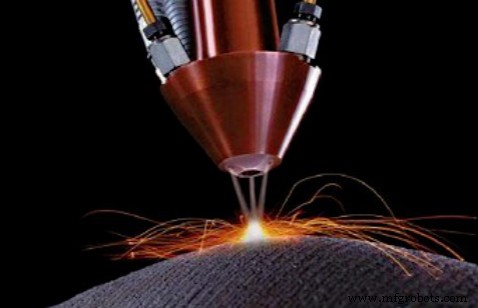
Electron‑Beam Smelting Furnace
- 1956 – A. Caverly produced >4N purity tungsten, molybdenum, and rhenium single crystals using electron‑beam suspension melting.
Key Physical and Chemical Properties
Low‑Temperature Brittleness
While refractory metals remain ductile at elevated temperatures, they can become brittle at lower temperatures. The ductile‑brittle transition temperature (DBTT) is influenced by purity, alloying additions, and processing methods. Reducing DBTT can be achieved through alloying—such as adding rhenium to tungsten—or by optimizing plastic‑processing techniques.
Oxidation Resistance
High‑density refractory metals exhibit strong resistance to oxidation at room temperature but begin to oxidize rapidly when heated:
- Tungsten & molybdenum oxidize above ~752°F, forming WO₃ and MoO₃, and sublimating markedly at 1562°F and 1112°F, respectively.
- Rhenium oxidizes starting at 572°F, forming Re₂O₇ by 662°F.
- Tantalum & niobium begin oxidizing at 536°F and 392°F, producing Ta₂O₅ and Nb₂O₅ above 932°F.
- Titanium & zirconium oxidize rapidly above 1112°F–1292°F; powdered forms can ignite or explode in air.
Mitigation strategies include designing antioxidant alloys and applying protective coatings, though high‑temperature oxidation remains an active research area.
Hydrogen Interaction
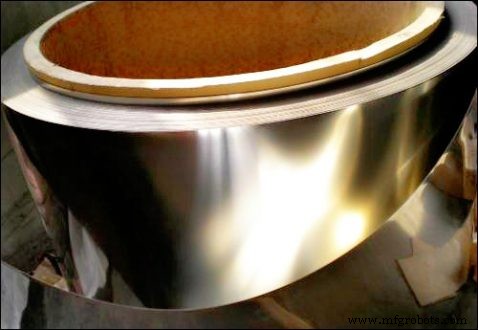
Refractory metals such as tungsten, molybdenum, and rhenium are chemically inert to hydrogen yet can form brittle hydrides when exposed to hydrogen between 572°F and 932°F. In high‑vacuum environments, hydrogen can be released, a property exploited in the production of alloy powders for titanium, zirconium, tantalum, and niobium.
Corrosion Resistance
Below 302°F, tantalum develops a stable, dense oxide layer, rendering it highly resistant to a wide array of acids—sulfuric, hydrochloric, nitric, phosphoric, organic—and even nitric acid–hydrochloride mixtures. Tantalum is, however, vulnerable to hydrofluoric acid, concentrated alkalis, and molten bases.
Niobium shares similar corrosion resistance, though slightly less robust than tantalum. Tungsten is stable in common acids but susceptible to sodium nitrate. Molybdenum exhibits comparable, though not identical, corrosion behavior.
Collectively, tantalum, niobium, titanium, and zirconium serve as effective protective layers in corrosive environments.
Industrial Applications
Energy & Nuclear Technology
Zirconium tubing is essential in nuclear reactors for its radiation tolerance and corrosion resistance in coolant systems. Tungsten‑based high‑density alloys are used as inertial energy‑storage components, maintaining cooling cycles for 3–5 minutes post‑accident, thereby extending emergency response time. Refractory alloys also function as nuclear waste storage tanks.
Electronics & Information Technology
Modern integrated circuits demand superior heat dissipation; tungsten and molybdenum substrates enable finer wiring (down to 0.2 µm). Refractory alloys support critical components such as retaining rings and base supports.
Tungsten alloys and W–Cu composites excel as electrode materials for electrical discharge machining (EDM), high‑voltage switches, and welding applications. W–Re alloys replace platinum in thermocouples for temperature measurement, and high‑performance tungsten–rhenium wires power thousands of cathode‑ray tubes.
Space, Ocean, and Medicine
Refractory metals withstand the harsh radiation environment of space, making them ideal for spacecraft structures—evidenced by their use in the Mir space station and U.S. space shuttle.
In marine engineering, titanium's lightweight strength and corrosion resistance make it the preferred material for permanent underwater installations.
Niobium alloys serve biomedical applications, such as vascular scaffolds, due to their biocompatibility. Tungsten, W–Mo, W–Re, and W–graphite are employed as X‑ray targets in medical imaging, while specialized electrodes made from these metals enhance ultrasonic stone‑crushing devices and gamma‑knife surgery.
Other Notable Uses
Tungsten and molybdenum dominate high‑temperature furnaces as heating elements, heat shields, crucibles, and support structures for rare‑earth smelting. Their tubes, electrodes, and plating materials have successfully replaced platinum in glass and glass‑fiber production, delivering significant economic benefits.
In the textile sector, refractory metals function as electrothermal components and temperature‑sensing sleeves for electrothermal knives and zinc smelting processes.
Conclusion
We hope this in‑depth guide enhances your understanding of refractory metals and their transformative impact across multiple industries. For further technical insights, explore Advanced Refractory Metals (ARM).
Metal
- 5CR15 vs 440C Steel: A Detailed Comparison for Knife Builders
- High-Performance EN 573-3 Grade 3.0255 H46 – Superior Mechanical Strength & Custom Solutions
- DIN 3.4144 Alloy – Grade 3.4144 T74: High Strength, Toughness, and Corrosion Resistance for Aerospace
- ASTM A240 Grade 405 Heat-Treated Stainless Steel – Superior Durability & Performance
- SAE J1392 Grade 035BH Hot-Rolled Steel – Premium Low Carbon Material
- ABS Grade DH36: Premium Hull Structural Steel for High-Strength Applications
- ASTM A1008 Grade DDS Low‑Carbon Steel Properties
- High-Performance G.AL® C250 Aluminum Cast Plate – Precision Milled & Flat
- DIN 17440 X2CrNiMo18-14-3 Alloy: Heat‑Treated & Quenched for Superior Corrosion Resistance
- AMS 4919 – Titanium UNS R54620: High‑Strength, Heat‑Treatable Alloy