



What Happens to iPhone Vibration If Tungsten Runs Out?

What Happens to iPhone Vibration If Tungsten Runs Out?
If the world’s tungsten reserves were to dwindle, a question that has begun to surface is whether modern smartphones—especially iPhones—would still be able to vibrate. According to a sustainability professor at Rochester Institute of Technology, a “perfect storm” could emerge as several critical materials approach depletion, and Apple may need to prepare for this scenario.
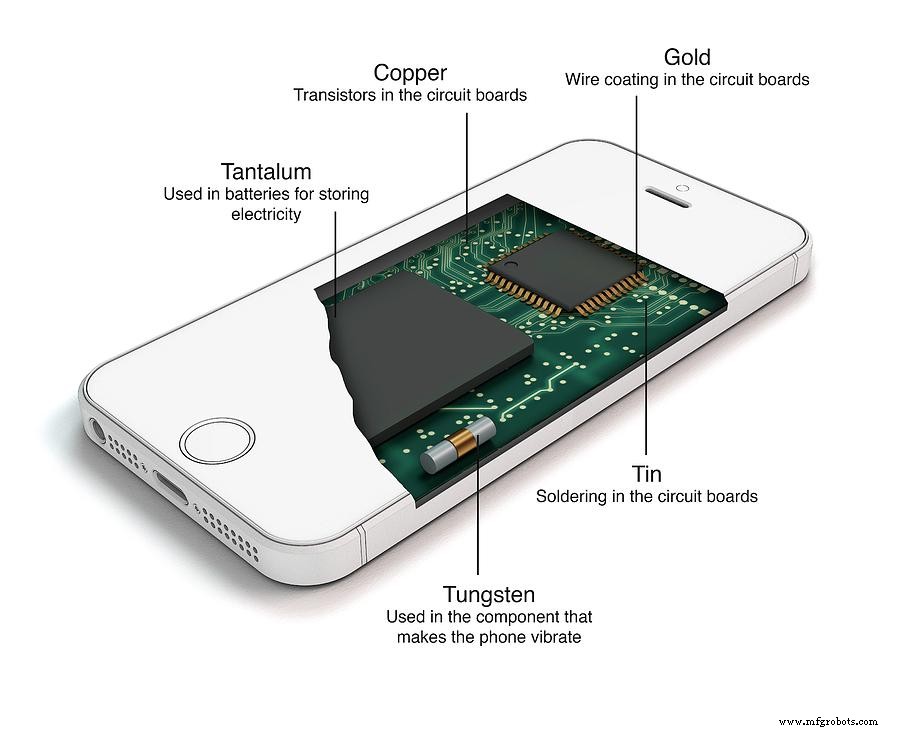
Phones, computers, watches, and TVs all rely on a suite of materials that include tungsten, gold, tantalum, aluminum, cobalt, copper, lithium, tin, zinc, steel, glass, paper, and plastics. A shortage of any of these could impact production and functionality. In particular, many vibration motors in consumer electronics are constructed from tungsten alloys because of their strength and resistance to wear. Should tungsten become scarce, alternative materials or redesigned motors would be necessary to maintain vibration capabilities.
While the loss of tungsten would not collapse the entire industry—circuit boards use tin, computer cases use aluminum, and batteries rely on cobalt—its absence could pose significant engineering challenges. Users who depend on vibration alerts might experience devices that either fail to vibrate or default to audible notifications.
Apple, a global leader in handset manufacturing, cannot ignore this potential “materials storm.” In 2023, Apple sold over 2 billion iPhones—a volume that would allow the company to circle the globe more than 13 times. Yet this high turnover also generates substantial electronic waste. The United Nations reported that 40 million tonnes of e‑waste were produced worldwide in 2016, with only about 20 % of electronic materials recycled.
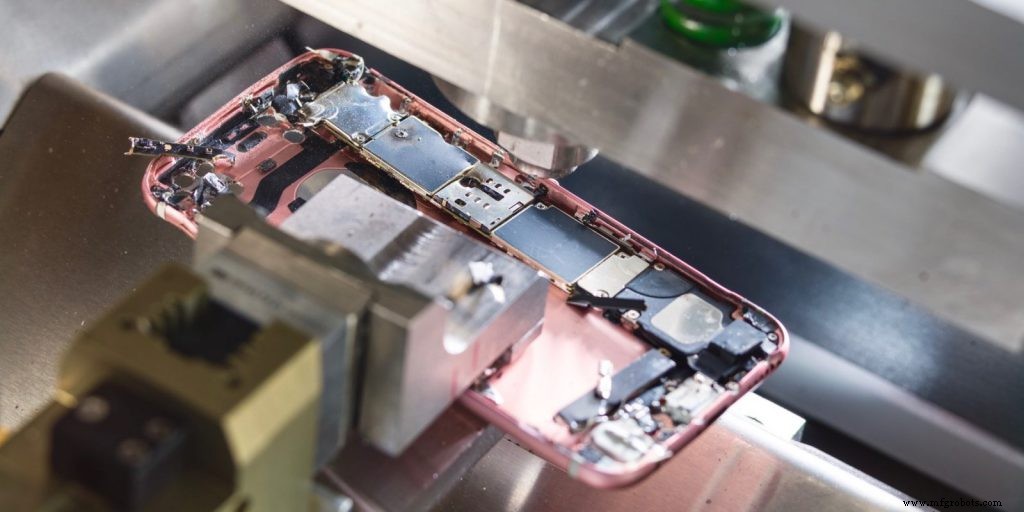
To mitigate waste, Apple has pursued a “closed‑loop” recycling strategy. The company collects used devices, refurbishes them for resale, or recycles the constituent materials for new products. Last year alone, Apple received roughly 9 million iPhones for recycling. About 1.2 million of those were sent to the Daisy robotic system for disassembly and material recovery.
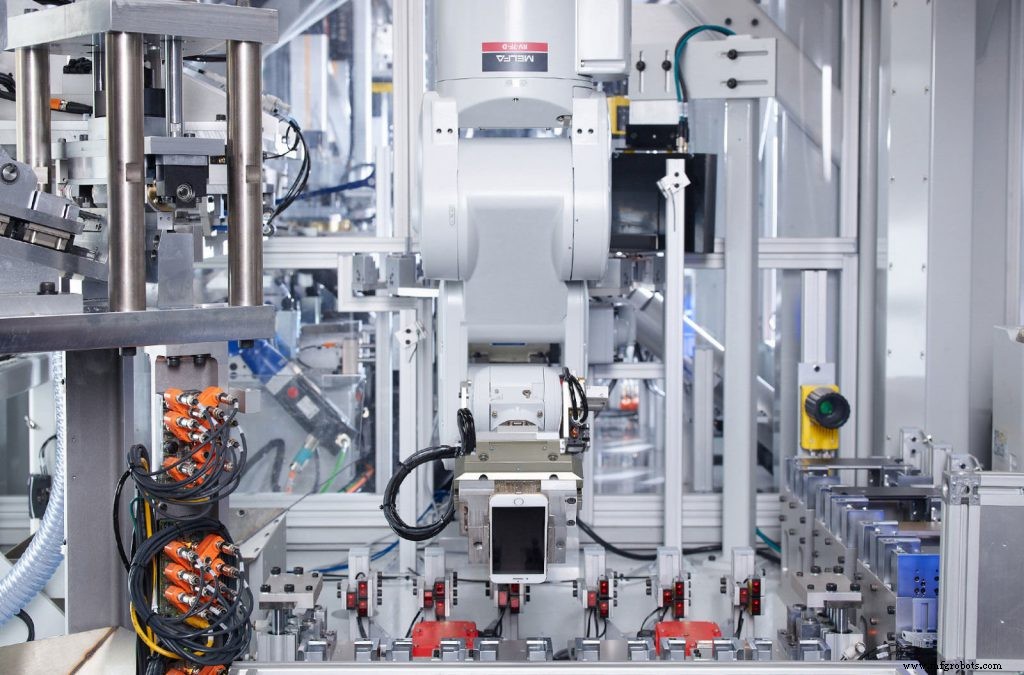
Daisy is a 10‑meter‑long, five‑arm robot that can dismantle up to 200 iPhones per hour, handling fifteen different models. The machine extracts screens, batteries, screws, sensors, logic boards, and wireless charging coils, leaving only the aluminum case for further processing. Through Daisy, Apple recovers copper, aluminum, cobalt, and other raw materials for reuse.
While Apple leads in recycling initiatives, other tech giants—such as Dell, HP, Lenovo, and Samsung—also invest in sustainability, though many still lag in reverse‑logistics and material recovery. According to World Resources Institute researchers, the industry as a whole has a long way to go in eliminating waste.
Conclusion
Thank you for reading. We are Advanced Refractory Metals (ARM), a global supplier of tungsten, tantalum, titanium, and other refractory metals. Based in Lake Forest, California, we help businesses select the best materials for their specific applications.
Metal
- Enhancing Tungsten‑Copper Alloy Performance: Proven Strategies and Processing Techniques
- Tungsten: The World’s Most Refractory Metal and Its Applications
- How Tungsten Crucibles Are Manufactured
- The World's Most Refractory Material: Beyond Tungsten
- Tungsten: The Backbone of Modern Aerospace Technology
- Cut Costs and Preserve Quality: How Cloud Software Companies Can Optimize Spend
- How Bright Bars Drive Efficiency and Profitability in the Industrial Sector
- Leveraging IoT to Drive Retail Success in the Post-Pandemic Era
- Enhancing Manufacturing Agility in a Post-Pandemic Economy
- Master Naval Brass Welding: Techniques & Safety Tips