



Rhenium in Aerospace: The Strategic Metal Driving Jet Engine Performance

Rhenium in Aerospace: The Strategic Metal Driving Jet Engine Performance
Rhenium, the 75th element on the periodic table, remains one of the world’s rarest naturally occurring metals. With proven reserves of only about 2,500 t, its scarcity makes it a strategic resource, particularly for the aerospace sector.
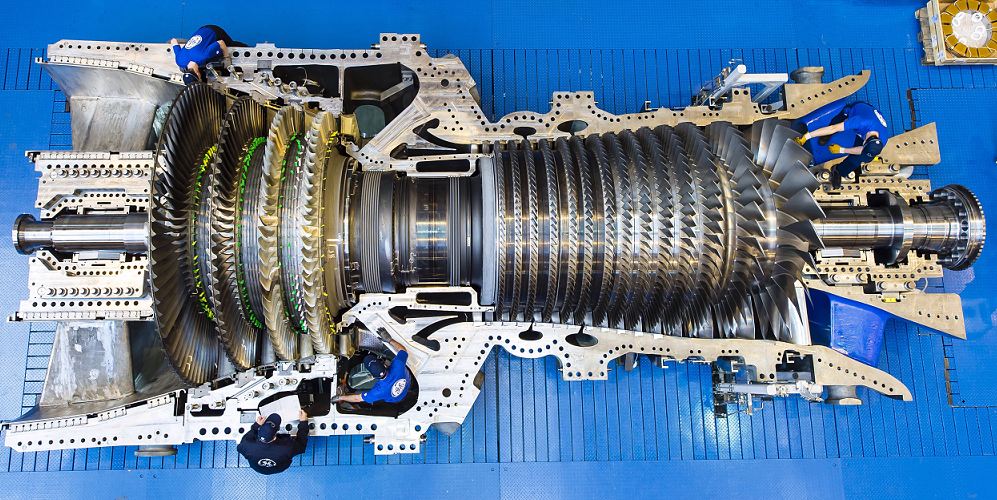
Rhenium Uses in Aerospace
Why Rhenium Matters in Aerospace
Rhenium’s exceptional properties—high melting point (2,444 °C), excellent high‑temperature strength, and superior corrosion resistance—enable it to withstand the extreme environments inside jet and rocket engines. Today, roughly 80 % of global rhenium consumption is tied to aviation engines, underscoring its critical role in military and commercial aviation.
Key Aerospace Applications
- Single‑Crystal Turbine Blades: A 1,000‑kg aero‑engine contains 60 single‑crystal blades that endure temperatures near 1,720 °C, rotational speeds of ~40,000 rpm, and tangential velocities around 450 m/s. Rhenium alloying improves creep resistance and extends blade life.
- High‑Temperature Coatings for Rockets & Missiles: Rhenium‑based coatings protect components exposed to temperatures exceeding 1,800 °C.
- Electron Tube Cathodes & Permanent‑Magnet Generators: Rhenium tungsten alloys produce cathodes with lifespans 100× that of pure tungsten and provide reliable contactor performance in marine and aerospace generators.
Economic Landscape
Global annual rhenium production stands at 25–30 t, with market prices ranging from $1,500 to $3,500 per kg. Despite its high cost, demand is rising at about 3 % per year, driven by the expanding aviation industry and emerging high‑speed aircraft programs.
Future Outlook
As aerospace technology pushes toward higher efficiency and speed, rhenium’s role is set to grow. Anticipated applications include advanced high‑temperature coatings for hypersonic vehicles, improved turbine blade designs, and components for unmanned aerial systems.
Conclusion
Rhenium’s unique combination of high‑temperature performance and durability makes it indispensable for modern aerospace engines. For deeper insight into rhenium and other refractory metals, explore resources from Advanced Refractory Metals (ARM), a leading global supplier headquartered in Lake Forest, California.
ARM offers high‑quality refractory metals—including tungsten, molybdenum, tantalum, rhenium, titanium, and zirconium—at competitive prices.
Metal
- How Molybdenum Strengthens Steel: Key Applications in the Industry
- Molybdenum: Key Applications in the Chemical Industry
- Chromium: 5 Key Industrial Applications & Everyday Uses
- The Strategic Applications of Rhenium: From Catalysts to Aerospace
- Tungsten: The Backbone of Modern Aerospace Technology
- How Titanium Shapes Modern Bicycle Design
- Why Carbon Fiber Is Transforming Aerospace: Strength, Weight, and Performance Benefits
- Monel Nickel Alloys: Key Aerospace Applications & Performance
- Revolutionizing Aerospace Manufacturing: 5 Key Robotic Innovations
- Robots Transforming Aerospace Production: Precision & Reliability