



Tin Nanocrystals: The Next Frontier for High‑Capacity Lithium‑Ion Batteries
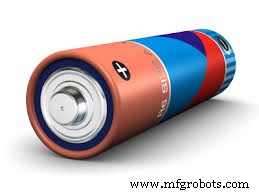
Li‑Ion Rechargeable Batteries
Li‑ion batteries dominate portable electronics, electric vehicles, and stationary storage due to their high energy density, negligible memory effect, low self‑discharge, and environmental safety. Current commercial cells use transition‑metal oxides (Co, Ni, Mn) at the cathode and graphite at the anode. Next‑generation cells are exploring high‑capacity anodes based on tin or silicon.
Nanomaterial‑Based Lithium‑Ion Batteries
Researchers from ETH Zurich’s Laboratory of Inorganic Chemistry and Empa have pioneered a tin‑nanocrystal anode that promises higher capacity and longer cycle life.
Structure and Working Principle
The anode comprises tin nanocrystals, each capable of intercalating at least four lithium ions per tin atom. During charge, lithium ions are absorbed, causing the tin grains to swell by up to three times; during discharge the crystal shrinks back. This large volumetric change is mitigated by dispersing the nanocrystals in a porous, conductive carbon matrix, which buffers the expansion and maintains electrical connectivity.
Fabrication involves a two‑step process: nucleation of uniform tin seeds followed by controlled growth through precise timing and temperature regulation, yielding particles of optimal size and consistency.
Future Development
By selecting an optimal carbon matrix, binding agents, and a stable electrolyte, researchers aim to produce cost‑effective electrodes that deliver increased energy storage and extended lifespan. Such advances could make high‑performance, tin‑nanocrystal batteries commercially viable for electric vehicles and consumer electronics.
Nanomaterials
- Efficient Solution-Scale Synthesis of Red Phosphorus Nanoparticles for High‑Performance Lithium‑Ion Battery Anodes
- High‑Performance Li/S Batteries Enabled by CeO₂/RGO Composite‑Coated Separators
- TiO₂/Porous Carbon Coated Celgard 2400 Separators Enhance Lithium/Sulfur Battery Performance
- NiCo2S4 Nanocrystals on N‑Doped CNTs: A High‑Performance Anode for Next‑Generation Lithium‑Ion Batteries
- Advancing EVs: Lightweight Composites for Structural Batteries
- Q&A: Advancing Lithium‑Ion Battery Design for 10‑Minute Fast Charging
- Advanced Thermal Management Breakthrough Cuts EV Charger Noise and Fire Risk
- Safe Charging & Storage of Drone Lithium Batteries: A Comprehensive Guide
- Choosing the Right Battery for Your Robot: A Guide to Rechargeable Options
- How Lithium‑Ion Batteries Work: A Clear Guide to Their Power