



Plasmonic Nanoparticles: Harnessing Surface Plasmons for Advanced Photothermal Applications
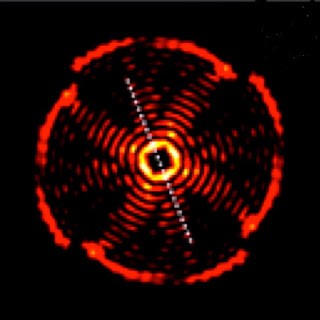
Plasmons—delocalized electrons on metal surfaces—are excited by energy inputs such as light, enabling the conversion of optical energy into heat. When these surface plasmons propagate, they efficiently transfer energy to their surroundings.
Plasmonic nanoparticles are engineered to couple their electron density with electromagnetic radiation far exceeding their physical dimensions. This unique coupling stems from the dielectric–metal interface between the surrounding medium and the particle, allowing interaction with wavelengths much larger than the particle size. Unlike bulk metals, which have a strict size–wavelength coupling limit, these nanoscale structures exhibit remarkable scattering, absorption, and coupling behaviors that depend on their geometry and relative positioning.
These exceptional optical properties have propelled plasmonic nanoparticles to the forefront of research in diverse fields: solar energy conversion, high‑resolution spectroscopy, imaging signal enhancement, and targeted cancer therapy.
Plasmonic Gold Nanoparticles
Gold nanoparticles stand out due to their optical absorbance—approximately one million times greater than any natural molecule—making them ideal for efficient energy conversion. Scientists at Rice University demonstrated that conventional gold colloids heat selectively at near‑infrared wavelengths as narrow as a few nanometers when illuminated with ultrashort laser pulses.
These findings point to non‑stationary optical excitation mechanisms in plasmonic gold nanoparticles, enabling precise, on‑demand photothermal heating. Researchers have further shown that tailored laser pulses can shift the absorbance spectrum of plain gold colloids, achieving an 88‑fold amplification of the photothermal effect compared to continuous‑wave irradiation at 780 nm.
While traditional nanoparticles respond broadly across the light spectrum, their absorbance peaks typically span ~100 nm, limiting simultaneous multi‑species applications. The ability to tune individual nanoparticles into the near‑infrared region—where biological tissues are transparent—opens new avenues for simultaneous, selective photothermal therapy and imaging.
Overall, the precise control of plasmonic resonance in gold nanoparticles heralds transformative potential for medicine and industry alike.
Nanomaterials
- Gold: History, Properties, Mining, and Future Applications
- Semiconductor Nanoparticles: Properties, Synthesis, and Applications
- Gold Nanoparticles as Advanced Chemosensors: Enhancing Electrochemical Detection
- Ultra‑Sensitive, Label‑Free Immunoassay Using Gold Nanoparticle–Graphene Oxide Hybrid Plasmonic Biosensors
- Gold Nanoparticles Modulate Testosterone Metabolism in Human Liver Microsomes: Size, Surface Chemistry, and Protein Corona Effects
- Enhanced Gene Delivery Using Gold Nanoparticles Functionalized with Chitosan, N‑Acylated Chitosan, and Chitosan Oligosaccharide
- Gold Nanoparticles Boost Electron Transport in PF‑NR2 Cathode Interface for High‑Performance iPLEDs
- Plasmon‑Enhanced Fluorescence of Rhodamine 6G at Controlled Distances from Gold Nanoparticles
- Gold Nanoparticle Tattoo Sensor Revolutionizes Continuous Health Monitoring
- Gold Anodizing Explained: Durable Gold Finish for Base Metals