



Mastering Plastic Prototype Fabrication: 4 Essential Techniques
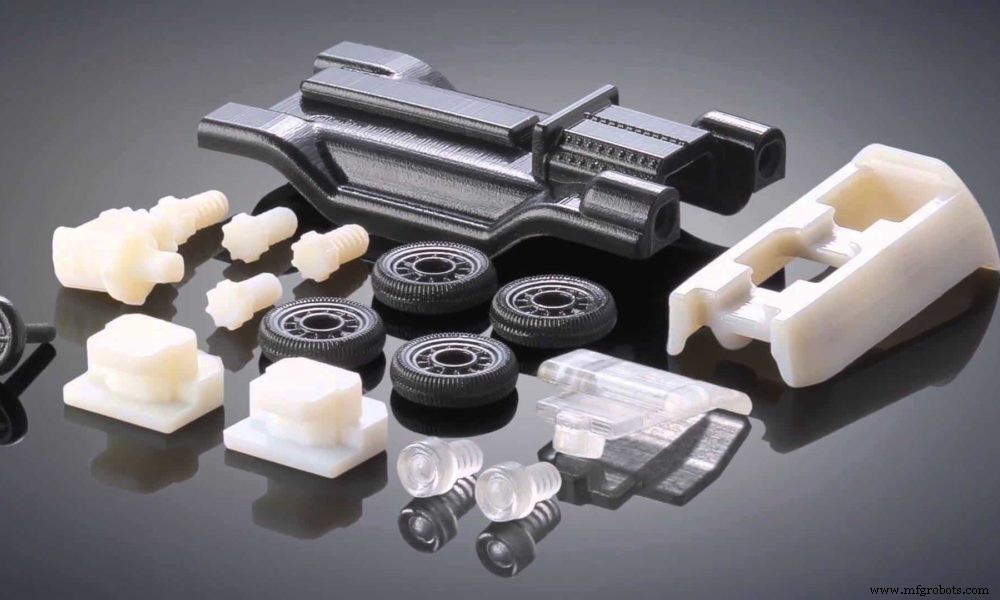
Plastic parts do not often get the credit they deserve for the role played in our world. There’s hardly a place you’ll enter without finding them, ranging from your computer keyboard to the lid of your coffee cup. However, every plastic product began as a prototype. This is why we are here to look at the methods available for making prototype plastic parts. Let’s get right to it!
The Importance of a Plastic Prototype
Prototyping, as you may know, is a powerful tool for entrepreneurs and businesses. It helps to assess a physical product before full-scale production begins. A plastic prototype enables you to work with the physical representation of your plastic product as quickly as possible.
You also have the opportunity to present your ideas to potential investors and allow them to test them out. Prototype plastic parts are those you put out to your potential customers to help you gauge their interest in the product before launching.
This process gives designers with the support of prototyping companies the chance to make appropriate changes before making plastic products. In the end, both the manufacturer and the end-product user benefit. Other advantages include:
- Tests various design features on the plastic prototype
- Verifies design functionality
- Creates a testing benchmark for developing additional features
- Facilitates customer feedback
- Identifies possible defects and irregularities with prototype plastic parts ahead of mass production
- Allows refinement of define for efficiency of manufacturing
Things to Put in Place Before You Develop a Plastic Prototype
The first thing to reason before plastic prototype manufacturing is your CAD model. The Computer-Aided Design (CAD) model is a digital representation of your intended product showing you and the manufacturer how the product should look.
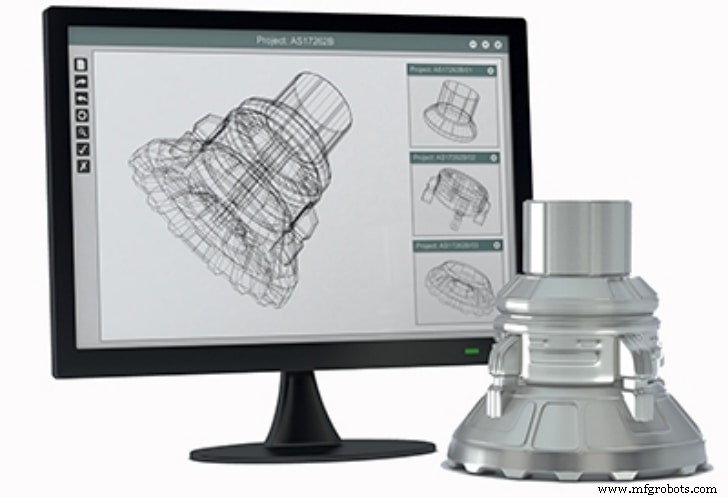
A CAD model also shows how the plastic parts fit together and the product’s functioning as a whole. Preparing a CAD model will help you create a physical prototype model, either visual or functional.
- Visual – a visual prototype gives you an idea of the final look of the product. You do not need visual prototypes to function as the final product. Therefore, 3D printing offers you the cheapest and quickest way to develop them.
- Functional – On the other hand, functional prototypes represent the desired final product from materials to mechanics. These are the types of prototypes that you can use to test product designs before moving to the mass production stage.
Regardless of the type of plastic prototype you wish to make, there are several methods available. However, four of those methods are more widely used. They include:
- Vacuum casting
- 3D printing
- CNC Machining
- Injection Molding
The Processes of Making Plastic Prototypes
Plastic prototype fabrication is one of the most flexible processes in rapid prototyping. You can choose between an extensive array of procedures to effectively fabricate your prototype plastic parts. In this section, we will be discussing four of the most effective methods for plastic prototyping.
Vacuum Casting
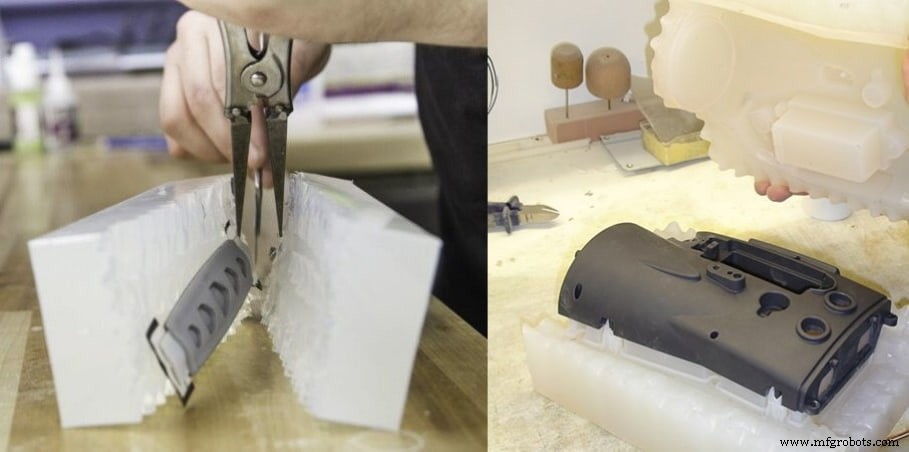
With vacuum casting, fabricators can duplicate several prototype plastic parts. It involves the use of a master model to create parts that are suitable for testing. When using vacuum casting for plastic prototype fabrication, the process involves the injection of the raw material into a silicone mold. However, before creating a silicone mold, there needs to be a master model.
Master models can be created using 3D printing or CNC machining. Upon completion of the master model, there is the development of silicone-based casting molds. The raw materials are injected into the mold cavity using a vacuum bell jar. It often takes about 30 to 40 minutes to harden the resulting cast to give a precise duplication of the prototype.
Vacuum casting is compatible with a wide range of materials, ranging from transparent to opaque. Furthermore, fabricators can reuse the silicone mold to produce up to 25 prototypes. This process helps you to actualize your design quickly to have the product development and mass production in closer proximity.
Benefits of Choosing Vacuum Casting for Your Plastic Prototype
Here are some top reasons to use vacuum casting for rapid prototyping:
- It helps fabricators to make high-precision prototype plastic parts with fine detail.
- The silicone mold can recreate several identical prototypes within a short period.
- It is an ideal process for fabricating parts with complex shapes.
- A proper mold material will give a prototype with identical quality as the intended final product.
- It is compatible with an extensive array of plastic materials with varied rigidity, flexibility, and texture.
3D Printing
Additive manufacturing or 3D printing encompasses several manufacturing technologies. It is one of the innovative techniques following industry 4.0 that transform the manufacturing world. As we mentioned, 3D printing is a blanket term. Three of the most popular methods for 3D prototype plastic parts fabrication are:
Fused Deposition Modeling (FDM)
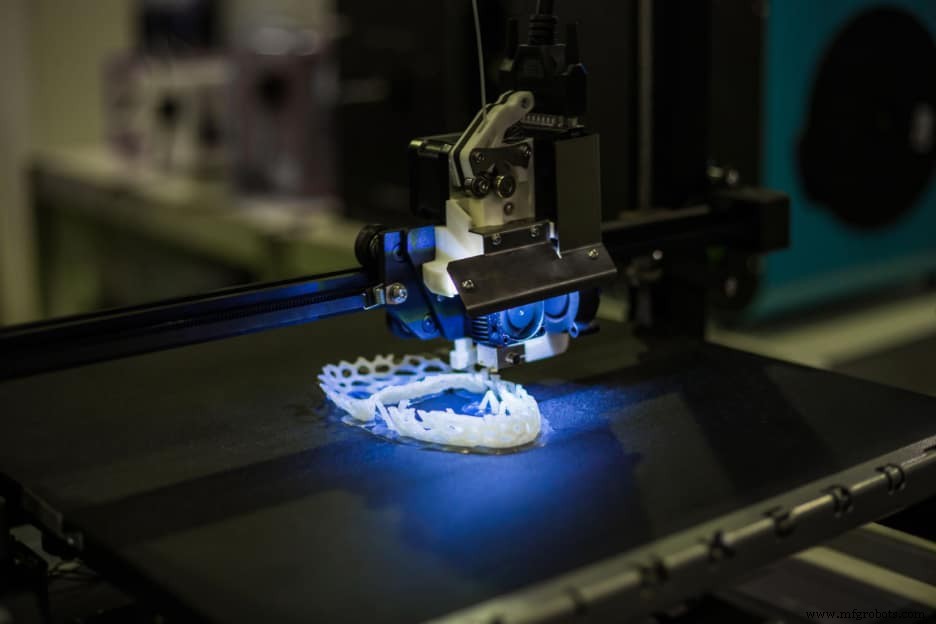
FDM 3D printing is the most popular form of 3D printing used in plastic prototype fabrication. This process involves using extrusion for a layer-by-layer deposition of plastic materials until the final product is formed.
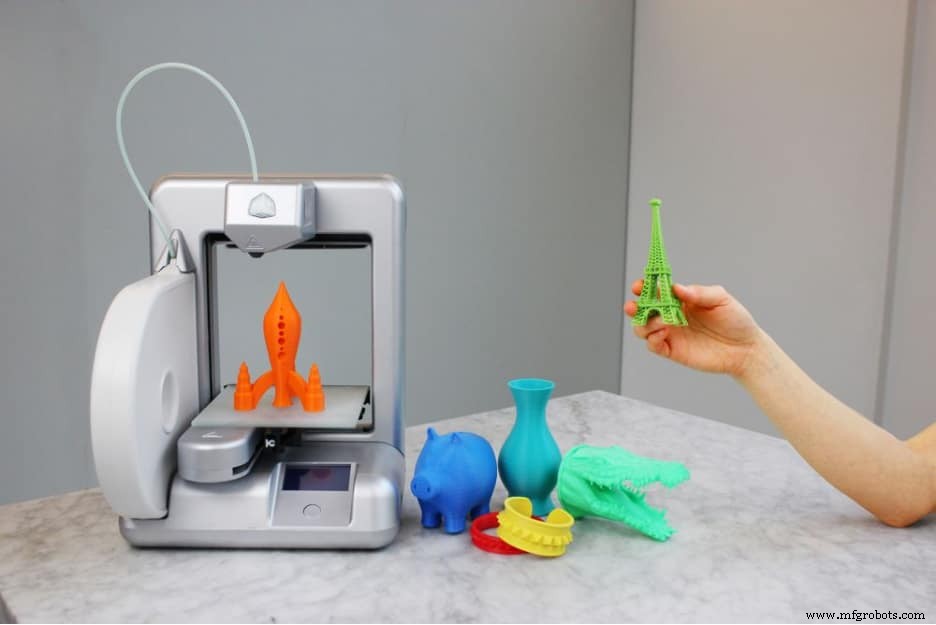
When industrial-grade FDM printers are used, fabricators can create prototypes with increased strength and resolution, depending on the materials involved. It is also a flexible procedure, compatible with several materials including PLA, ABS, Nylon, PETG, Polycarbonate, etc.
Stereolithography (SLA)
FDM issues filaments, but SLA 3D printing employs plastic resin materials for creating 3D prototype plastic parts. It involves using a high-powered laser which helps to solidify the model coming using a vat of resin. Manufacturers use this method for several prototyping purposes, including dental, medical, and general consumer components.
Selective Laser Sintering (SLS)
SLS technology also utilizes a high-powered laser. However, unlike SLA, it sinters powdered materials together to form a 3D model. This process features print quality that is superior to FDM’s. You will find prototype plastic parts created via this method being more functional and with higher resolutions. They are generally more durable and flexible than FDM prints.
Benefits of Choosing 3D Printing for Your Plastic Prototype
You’ll enjoy the following benefits from using 3D printing for making your plastic prototypes:
- 3D printing can help you create plastic prototypes more quickly while reducing the overall cost of the manufacturing process.
- It allows direct uploading of CAD files into 3D printer software and effective reading by the machine, enabling smoother workflow.
- It enables flexible material choices so that manufacturers can test different materials when making prototype plastic parts.
- With 3D printing, you can easily make changes by updating a product’s CAD file before sending it to the printer. Thus, as many iterations as possible can be made to the design within a very short time.
- Fabricators with 3D printers can typically create prototypes from product designs in 24 hours or less.
CNC Machining
CNC machining offers another viable and fast-paced method for plastic prototype fabrication. This technology uses a wide range of tools to create 3D models of your design from solid blocks of materials. Creating a plastic CNC prototype involves a subtractive process. That is, materials are being removed from the solid block, unlike 3D printing, which is an additive process. However, this does not mean that fabricators cannot make plastic prototypes with different materials.
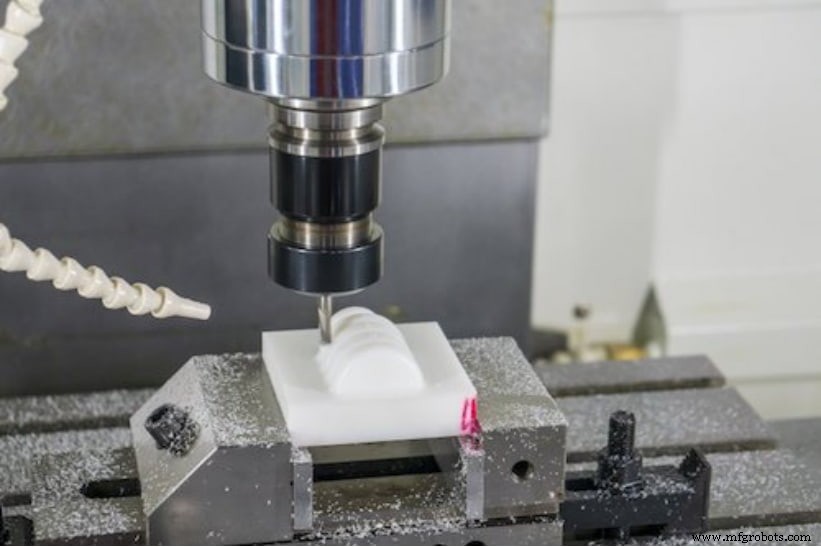
Digital milling machines help to make the process more effective. Fabricators ensure proper process automation with a computer available to direct the milling machine using uploaded 3D files. Making prototype CNC plastic parts do not require using molds. Therefore, it is cost-effective, and you only need a CAD rendering to start CNC plastic prototyping.
Benefits of Choosing CNC Machining for Your Plastic Prototype
CNC machining is one of the most effective rapid prototyping techniques, offering the following advantages:
- It allows you to test the fit, form, and function of prototype plastic parts without producing injection mold tooling.
- CNC machining offers increased potential for tight tolerances, undercuts and threads, and size limitations.
- This technique also enables the creation of several surface finishes on the prototype, ranging from polishing to painting, powder coating, and more.
- CNC machining also provides swift turnaround times, depending on the plastic prototype model complexity.
- It enables the use of an extensive range of materials, making it easier to choose a material for your fabrication.
- The resulting prototype tends to have its mechanical properties close to the injected part, with the outcome varying based on appearance and desired functionality.
Injection Molding
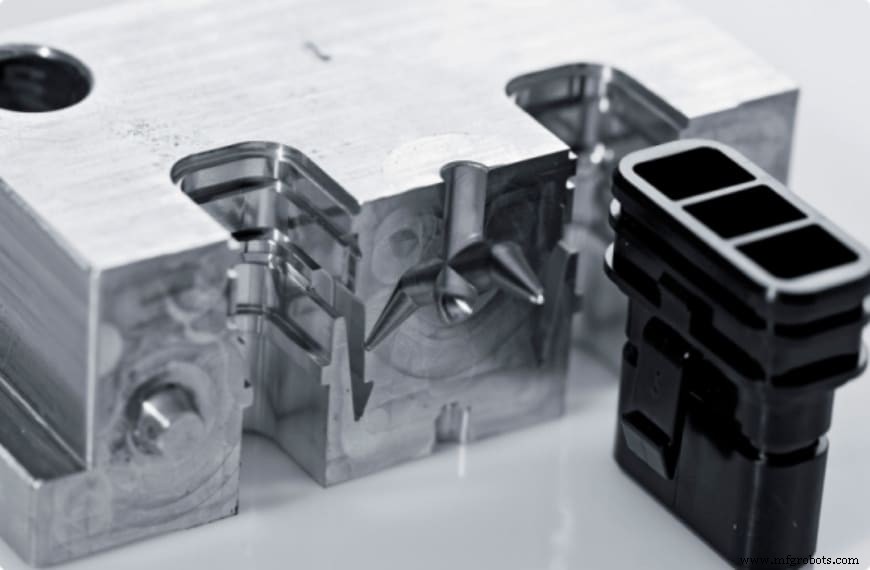
When you need a plastic prototype fabrication method for limited prototype production runs, you should choose plastic injection molding. Although injection molding is popular for mass production, it also offers a valuable means of producing plastic prototypes. The technique involves the creation of a metal die. Then the fabricator sends the plastic resin into a heated barrel, where it is mixed and forcefully injected into the metal die.
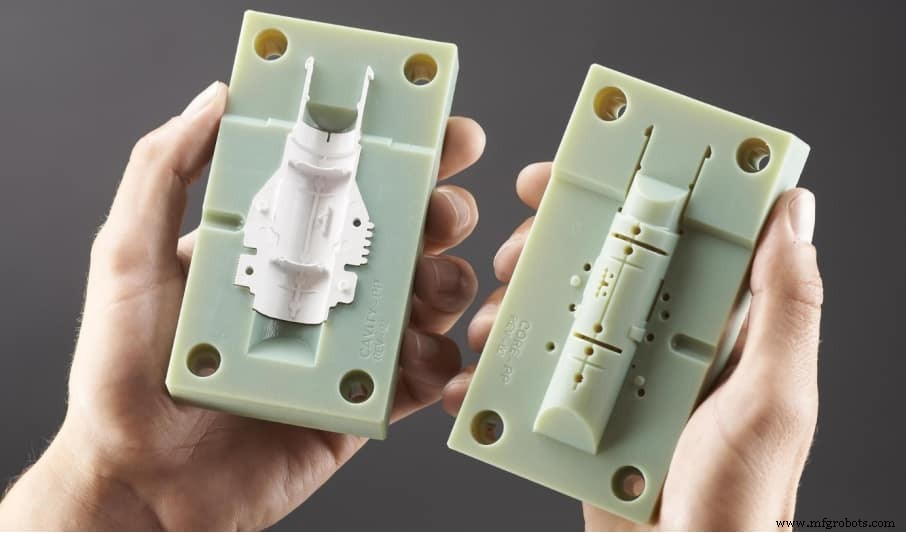
The final step is the rapid cooling of the plastic into a solid component. The result is a prototype with excellent mechanical properties and a high-quality surface finish. It is compatible with popular plastic material options like ABS, Polyethylene, Polycarbonate, Nylon, HIPS, etc. Prototype plastic injection molding lays down the foundation for subsequent molds you need for complete production runs. Many industries take advantage of this method, including automobile, electronics, medical, and packaging industries.
Benefits of Choosing Injection Molding for Your Plastic Prototype
Prototype plastic injection molding offers the following advantages:
- It enables fast and cost-effective testing of product concepts without compromising quality.
- Injection molding helps to get quick insights into the operational capabilities of plastic prototypes by creating real-life, near-perfect replication of final products.
- This method can help fabricate complex parts ranging in shape and weight.
- Plastic injection molding is ideal for industries that need considerable testing and certifications, such as the medical sector.
- It is the most effective method for minimal production runs.
Looking for plastic prototype manufacturing and fabrication services? Check out RapidDirect and upload your file to get an instant quote.
Key Considerations for Plastic Rapid Prototyping
It is vital for designers to choose plastic prototyping methods that are best suited for their applications. Prototypes have varying required qualities. While you can have an approximate resemblance of prototypes and production parts in the early stages, they must closely match when development gets closer to launching.
Thus, it would be best to consider some factors before choosing a plastic prototype fabrication method. These key ones include:
1. Purpose of the Plastic Prototype
The application of your prototype should be your first consideration. Plastic prototypes are used in various industries and for different reasons. Your prototype might be for non-functional testing for marketing or sales. On the other hand, you might need the prototype for functional testing with potential consumers. You should choose a method that produces prototype parts with exact colors, geometry, and surface finish of the intended final product.
2. Form
Does your design include tight tolerances or complex internal features? The answer to this question will help you choose the correct prototyping technique for your prototype. Some manufacturing options are limited when it comes to the geometry of designs. Some of them may require high-level design for manufacturing (DfM) optimization before they can be economical or cost-effective. Technologies that can effectively comply with the intended geometry of your plastic part are the best choices.
3. Volume & Cost
Part size and volume are closely related to the final cost of the process. The total volume of the prototype you wish to produce plays an important role in helping you choose the right prototyping technique. Some processes may have higher front costs for setups and tooling while they produce inexpensive parts. In contrast, other processes may have low startup costs but increased part costs due to lesser automation, slower cycle times, and labor costs. Even with increased volumes, the costs of such processes only reduce marginally.
4. Lead Time
How quickly you need the prototype will also affect your choice of technique. Some prototyping methods use sophisticated tooling coupled with automation to create prototypes within 24 hours. However, tooling and setups for some methods could push lead times up to weeks. If you need testing done very quickly, you should choose methods that produce parts rapidly.
5. Material
Will your prototype need to be put up with specific stresses or strains? You need to balance cost with the aesthetic and functional requirements of your prototype before selecting the optimal material. Contrast your ideal application characteristics with available plastic prototyping techniques before making a choice.
What Is the Plastic Prototype Cost?
Several factors affect the cost of plastic prototypes. These factors include materials used, the complexity of the part, and the plastic prototype fabrication technique used. However, 3D printing is generally less expensive than CNC machining. Injection molding is somewhat more costly than the initially mentioned processes due to mold milling costs.
The low fixed costs of 3D printing ensure zero economies of scale. That is, the first copy has the same cost as the last. The fixed costs of CNC machining is also low, with total cost rising at a steady rate. So, you’d expect the cost of each part to be a little higher than similar parts produced with 3D printing.
For prototype plastic injection molding cost, it is relatively high for the first few parts. However, the price steeps lower as the volume increases. It is clear that the plastic prototype cost is relative and depends largely on the method used and volume required.
| Plastic Prototyping Techniques | Cost |
| 3D Printing | Inexpensive |
| CNC Machining | Low, but higher than 3D printing |
| Injection Molding | Costly, but depending on the volume |
Conclusion
Plastic prototyping is an effective means of ensuring quality outcomes of your manufacturing process. However, the success of your plastic prototype will depend on your understanding of the prototyping technologies available and selecting the most effective one for your application. Now that you know more about developing plastic prototypes, it’s time to gain a competitive advantage by choosing the right manufacturing partner.
RapidDirect Your Plastic Prototype Manufacturing Service Provider
RapidDirect has the experience you need to deliver efficient prototype manufacturing services. Our expert team of engineers and designers has an adequate understanding of diverse techniques to handle your project best. We do not only provide cost-effective services, but we also give professional feedback and suggestions to help get the best out of the process.
With an extensive network of partners in several industries, you can be sure that we provide the best possible prototyping solutions. Get an instant quote within minutes and orders in days. All you need to do is upload your CAD file. Contact RapidDirect today, and let’s help turn your ideas into reality.
FAQs
How do you make a plastic prototype?There are various techniques available for making plastic prototypes. They include vacuum casting, injection molding, 3D printing, CNC machining, and more. Your choice will depend on your prototype’s application, volume, form, material, and cost.
Why is a plastic prototype important?The essential benefit of a plastic prototype is that it stimulates the actual product features. This way, you can quickly test the design’s correctness and product functionality before going into mass production.
How much does it cost to make a plastic prototype?The relative pricing of plastic prototype manufacturing will depend on the chosen manufacturing technique and the volume of parts required. Generally, 3D printing presents the most cost-effective option, while CNC machining is also relatively cheap. The injection molding price is a little on the high side because of the mold tooling.
Resin
- Four Proven Techniques for Bonding Plastic Components
- 3D Prototyping: Accelerating Product Development with Rapid, Cost‑Effective 3D Printing
- Four Key Benefits of Prototype Machining Over 3D Printing
- Advanced Metal Fabrication Techniques: Cutting, Stamping, and Beyond
- Comprehensive Overview of Metal Fabrication Techniques
- Professional Sheet Metal Fabrication: Cutting, Forming, and Pressing for Industrial Applications
- Prototyping Explained: The Key Validation Step for Startups
- Expert Guide to Creating High-Quality Plastic Prototypes
- Metal Prototyping Demystified: 4 Rapid Techniques for Accurate, Durable Models
- Mastering Metal Fabrication: Techniques & Processes Explained