



Is Plastic Manufacturing Sustainable? Innovations Reducing Its Environmental Footprint
During the Global Plastics Summit, Kim Holmes, Director of Recycling and Conversion at SPI, highlighted that plastic manufacturing faces a public‑relations challenge. Visible plastic waste in parks and oceans erodes consumer confidence in the material.
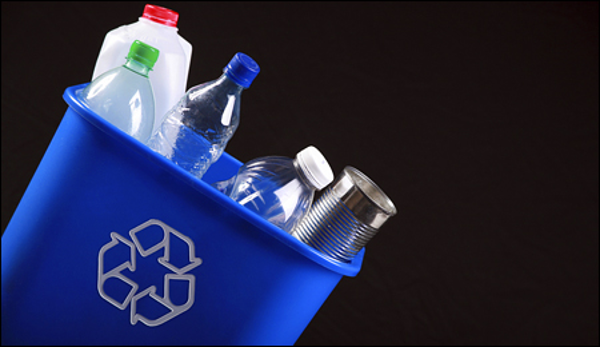
Holmes advocates a “supply‑chain approach” to waste reduction: the industry must boost demand for recovered plastics and identify new uses for recycled content. By doing so, it can improve the public image of plastic and drive further adoption.
Environmentalism and sustainability are now core concerns for every plastic‑manufacturing operation. While plastics have enabled countless breakthroughs, the industry must also pursue greener alternatives.
Below are three recent breakthroughs that demonstrate how the sector is tackling this challenge.
1. Turning Landfill Waste into Biodegradable Plastic
Researchers at Imperial College London have engineered E. coli bacteria to transform landfill refuse into a biodegradable plastic—an approach that could replace conventional, plant‑derived bioplastics.
Key advantages include:
- It eliminates the need for dedicated agricultural land, freeing it for other uses.
- It offers a renewable alternative to petroleum‑based plastics, diverting waste from landfills.
Watch a concise demonstration of the process in the short video below.
Read more about this innovation in the full research article.
2. Enhancing PET Recycling with Enzymatic Break‑Down
UC Davis student Akshey Sethi, founder of Ambercycle Inc., has developed a bio‑enzyme system that degrades PET bottles back into high‑grade terephthalic acid and ethylene glycol. Currently, only 6% of PET is recycled, while 84% ends up in landfills or litter.
By preserving the polymer’s chemical integrity, Ambercycle’s method enables the production of new, high‑quality PET resins, potentially closing the loop on bottle waste.
Ambercycle remains in its early stages; download Sethi’s presentation for a deeper dive.
3. Plant‑Based Interiors for the Ford Fusion Energi
Ford, in partnership with Coca‑Cola, is incorporating PlantBottle‑inspired materials into the Fusion Energi’s interior—cushions and door panels that blend 30% plant‑derived PET with 70% recycled terephthalic acid.
Although the material is not 100% renewable, it significantly reduces fossil‑fuel consumption compared to traditional plastics. The vehicle is slated for debut at the Los Angeles Auto Show.
Collectively, these initiatives illustrate that plastic manufacturing can evolve toward lower carbon footprints and higher sustainability.
What other eco‑friendly plastic stories have you encountered? Share them in the comments below.
Interested in learning more about plastic engineering? Explore our free Glossary of Plastic Manufacturing terms!
Resin
- Plastic Demystified: An Expert FAQ on Definition, Materials, and Applications
- Understanding 10 Key Plastic Manufacturing Terms—A Practical Guide
- Plastic Manufacturing: Evolution, Current Trends, and Future Outlook
- Can 3D Printing Disrupt Traditional Manufacturing? Expert Insights
- Revolutionizing Manufacturing Training with VR and AR
- Celebrate Manufacturing Excellence—Choose Your Own Day for Manufacturing Day
- Polyurethane vs. Plastic: A Technical Comparison
- Boosting Connectivity in UK Manufacturing: Strategies for a Connected Industry 4.0 Future
- How AI is Driving New Manufacturing Jobs and Filling Workforce Gaps
- Manufacturing with Recycled Materials: Building a Sustainable Future