



Avoiding Common Pitfalls with Plastic Fasteners: A Practical Guide
Nothing beats the frustration of a plastic fastener failing after installation.
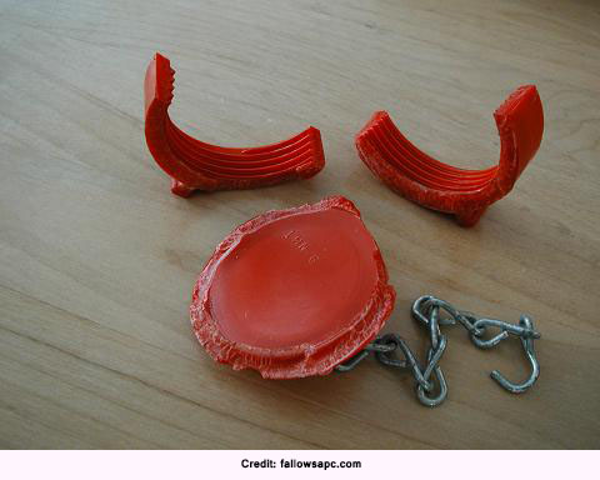
Plastic fasteners can fail in many ways—cracking, creeping, deforming, or fading. Unlike metal, which yields before breaking, plastic snaps under excess load. Factors such as UV exposure, chemicals, water, and salt can accelerate degradation. Choosing the right material and design is critical to avoid costly failures.
How can you prevent plastic fastener failure?
Trustworthy suppliers are essential, but you also must avoid common mistakes when selecting and installing fasteners. Below are five key pitfalls—and how to sidestep them.
1. Skipping Thorough Research
Many buyers are unaware of the subtle differences between plastic grades and resins. Reliable mechanical and chemical data sheets can be hard to locate because manufacturers often test only a subset of their products. Selecting a familiar name without assessing its suitability for your specific application can lead to premature failure. Always verify that the chosen resin meets the environmental and mechanical demands of your use case.
2. Opting for the Cheapest Option
High‑performance plastics can carry a higher upfront cost, but they may save money in the long run by avoiding replacement and downtime. Choosing a lower‑grade material like standard nylon might appear economical, yet it may not withstand your application’s stresses, temperature, or chemical exposure. Investing in the correct material from the start is the safest way to guarantee reliability.
3. Neglecting Sample Testing
Manufacturers typically perform basic tests, but they rarely cover extreme conditions such as 10,000‑foot underwater service over decades. If your application involves harsh environments, request test samples or a similar part from the same material line. Conducting your own tests ensures the material will perform under real‑world conditions.
4. Ignoring Design‑Specific Considerations
Assuming plastic behaves like metal can be misleading. For instance, increasing a plastic screw’s diameter does not automatically boost strength the way it does for metal. Also, molding limits vary: glass‑reinforced TPU can reach nearly one inch in thickness, while CPVC struggles with thin sections. Design your parts with the material’s manufacturing constraints and mechanical properties in mind.
5. Failing to Consult a Plastics Specialist
Even a basic check by a plastic engineer can catch mistakes—like confusing a material’s glass transition temperature with its maximum service temperature. Most manufacturing engineers offer free consultations. Leverage their expertise to validate material choices and design assumptions.
Have you experienced plastic fastener issues? Share your story in the comments below.
Ready to start your plastic materials research? Download our free material guide!

Resin
- Common Car Cooling System Problems & How to Diagnose Them
- Unlocking IoT Data: How Business Rules Management Drives Enterprise Value
- The Definitive Guide to Buying Plastic Fasteners: A 7‑Step Checklist
- Static Electricity in Plastic Fasteners: Why ESD Ionizers Are Essential
- Craftech’s Durable Plastic Fasteners Empower APH’s Educational Tools for the Blind
- Plastic Additives: Types, Functions, and Industry‑Leading Solutions
- Avoid These 10 Common Electrical Design Software Mistakes
- Top Industries Leveraging Plastic Injection Molding: Key Applications & Benefits
- Key Industrial Applications of Alloy A286: High Strength & Corrosion Resistance
- Avoid These 5 Common CNC Lathe Mistakes for Superior Results