



Why Plastic Screws Are a Smart Choice: 8 Proven Benefits
Plastic screws: why consider them? Even if metal has served you well, plastic offers unique advantages that can improve performance, reduce weight, and cut costs. Below are eight evidence‑based reasons why plastic hardware deserves a place in your product line.
1) Superior chemical resistance. Plastic components come in a wide range of grades—acrylonitrile butadiene styrene (ABS), polyetheretherketone (PEEK), polyimide, and more—each engineered to withstand specific corrosive environments. If your application demands resistance to acids, solvents, or salts, we can help you select the optimal material.
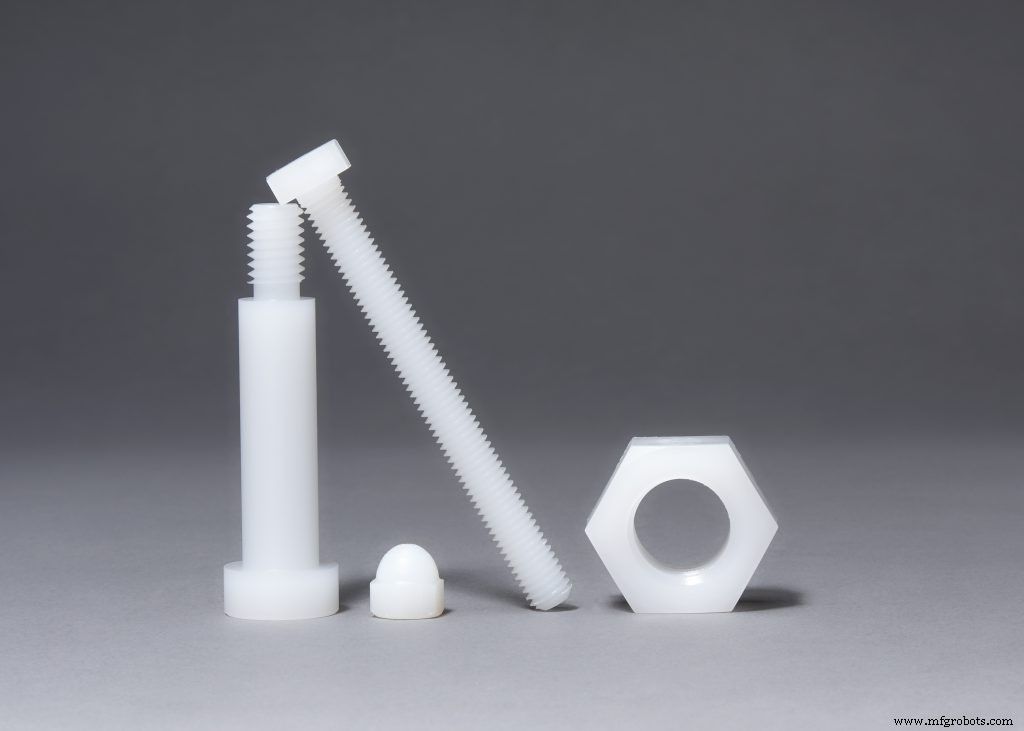
2) Unexpected strength. While no plastic matches the ultimate strength of high‑grade metals, many—such as PEEK and polyamide—match or exceed the tensile strength of stainless steel and aluminum in many configurations. PEEK, for example, offers 140–180 MPa tensile strength while remaining lightweight and thermally stable.
3) Rust‑free performance. In marine, underwater, and high‑humidity applications, metal fasteners can corrode, compromising assembly integrity. Plastic screws resist oxidation and maintain their mechanical properties, simplifying maintenance and reducing the need for corrosion inhibitors.
4) Environmental benefits. The manufacturing of plastic fasteners typically consumes less energy than metal production and can be recycled or reused at the end of life. Choosing plastic hardware can help you meet sustainability targets and reduce your carbon footprint.
5) Unmatched variety. From fine‑thread to coarse‑thread, metric to imperial, flat‑head to pan‑head, and custom drive styles, virtually any screw design available in metal can be produced in plastic. If you need a bespoke size or configuration, our engineering team can prototype and qualify the part.
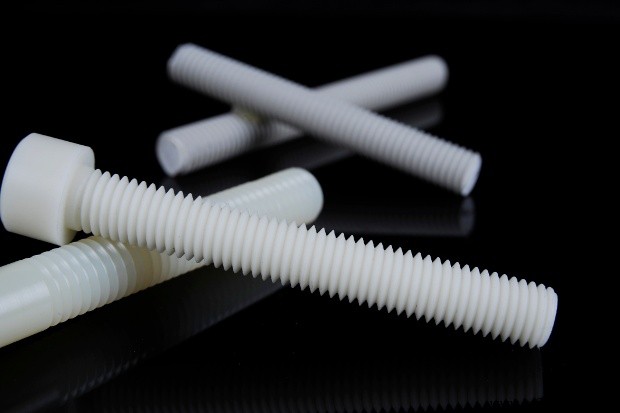
6) Lightweight and flexible. Plastic screws can weigh up to ten times less than their metal counterparts, reducing product weight and improving handling. The automotive sector has already leveraged this advantage to lower vehicle mass, improve fuel efficiency, and lower emissions—estimates suggest fiber‑reinforced plastic hardware could cut car weight by up to 50 % and emissions by 35 %.
7) Aesthetic versatility. With a palette of colors, dyes, and even transparent grades, plastic screws allow designers to match or enhance the visual appeal of their products. They are commonly used in eyewear, consumer electronics, and safety gear where appearance matters.
8) Flexible pricing. Entry‑level plastics such as polypropylene are inexpensive, while specialty grades like PEEK or polyimide command premium prices—PEEK can reach $100 per pound or more, and Vespel® polyimide can exceed $1,000 per pound for large diameters. This range means you can choose a material that balances performance with cost.
Ready to explore plastic fasteners for your next project? Download our full guide.

Resin
- Understanding Tapered Shank Screws: Design, Function, and Benefits
- The Complete Guide to Injection Molding: From Pellets to Finished Parts
- Choosing the Right Machine Screw: A Practical Guide
- Top 5 Drive Styles for Plastic Screws – Expert Insights for Your Projects
- Injection Molding vs. Plastic Machining: How to Choose the Right Process for Custom Fasteners
- Defining Clarity in Plastics: How Scientists Measure True Transparency
- How Plastic Materials Are Driving Advances in Space Exploration
- The Definitive Checklist for Purchasing Plastic Fasteners
- Understanding Plastic-to-Plastic Wear: Design Principles & Lubrication Strategies
- Vented Plastic Screws for High‑Vacuum Systems: Design, Materials, and Leak Prevention