



Understanding Tapered Shank Screws: Design, Function, and Benefits
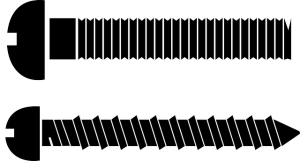
A tapered shank is a defining feature of most modern screws, from drywall and lag screws to particle‑board and sheet‑metal variants. Unlike bolts, which may or may not taper, screws almost always have a gradually narrowing shaft. If you’re new to fasteners, you might wonder why this design is so common.
What Is a Tapered Shank?
In a tapered shank screw, the threaded shaft gradually narrows from the tip to the head. This means the screw isn’t a uniform cylinder; instead, it tapers, creating a pointed end that facilitates penetration into the material.
Why Use a Tapered Shank?
The primary advantage is that these screws can be driven straight into wood, drywall, metal, or composite panels without a pre‑drilled pilot hole. The tapered tip reduces resistance and helps the screw bite into the substrate, providing a secure hold. Additionally, the taper allows for a sharper point, which improves accuracy when setting screws in tight spaces.
Because the shaft changes diameter, a tapered screw is not compatible with nuts. Nuts rely on a consistent thread size to lock onto the fastener, and the varying shank of a tapered screw prevents a proper fit. Therefore, tapered screws are used alone or with a threaded insert, rather than with a nut.
Key Takeaways
• A tapered shank makes it possible to drive screws directly into a wide range of materials.
• The design eliminates the need for pilot holes and improves grip.
• Tapered screws cannot be tightened with nuts due to their variable diameter.
By understanding the purpose behind the tapered design, you can select the right fastener for your project and avoid common installation pitfalls.
Industrial equipment
- Understanding Full Mortise Hinges: Function, Installation, and Benefits
- Electrical Grounding Explained: Safeguarding Systems from Arcing and Fires
- How Casters Work: From Early Designs to Omni‑Directional Innovation
- What Are Eye Screws? A Professional Guide to Their Design and Uses
- Inside NASCAR Engines: Design, Power, and Training
- Accelerate Manufacturing: Reduce Changeover Time with SMED & Standard Work
- How Air Dryers Work: Keeping Compressed Air Clean & Efficient
- Understanding Electric Brakes: How They Operate and Why They Matter
- Outperform Competitors with Digital Work Instructions
- Streamline Work Order Management Using CMMS for Greater Efficiency