



Polycrystalline vs. Monocrystalline Solar Panels: Which Is Right for Your Home?
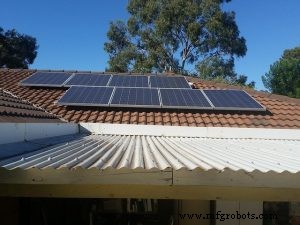
Deciding on solar for your home can feel daunting, but choosing the right panel type is a pivotal step. Both polycrystalline and monocrystalline panels harness the same physics—photovoltaic silicon converts sunlight into electricity—but they differ in design, performance, and cost.
Polycrystalline Solar Panels: What They Are
Polycrystalline panels, the most common solar solution, are built from countless silicon fragments that are melted together and cooled into wafers. The resulting panel has a distinctive blue‑gray hue and a slightly less uniform crystal structure. Manufacturing is relatively straightforward, which translates into lower production costs and, consequently, more affordable retail prices.
Monocrystalline Solar Panels: What They Are
Monocrystalline panels are made from a single, pure silicon crystal. The crystal is sliced into thin wafers, producing a sleek, dark‑black appearance. The uniform lattice structure enhances electron flow, enabling higher power output per square foot.
Key Differences at a Glance
- Efficiency: Monocrystalline panels typically achieve 15–20% efficiency, while polycrystalline panels average 13–17%. That’s roughly a 10–15% advantage for monocrystalline.
- Cost: Polycrystalline panels are 10–15% cheaper upfront, but total lifetime cost depends on system size, output, and maintenance.
- Aesthetics: Monocrystalline panels offer a uniform, high‑contrast look, ideal for residential rooftops that value visual appeal.
- Space Requirements: Higher efficiency means monocrystalline panels can deliver the same power in a smaller footprint—crucial for limited roof area.
- Longevity: Both types last 25–30 years, though monocrystalline panels often exhibit slightly lower degradation rates.
- Manufacturing Footprint: Polycrystalline production generates more silicon waste, whereas monocrystalline uses less raw material per panel.
Other Solar Options Worth Knowing
Beyond the two main types, thin‑film panels offer a lighter, flexible alternative for unconventional installations, but they generally lag behind silicon panels in efficiency and durability.
When selecting a panel, weigh budget, roof space, aesthetic preference, and long‑term performance. A qualified installer can model projected energy yield and payback to help you make an informed decision.
Industrial equipment
- Thermoplastic vs. Thermoset: Understanding Key Differences in Polymer Materials
- Wheels vs. Casters: Understanding the Key Differences
- O‑Rings vs. Gaskets: Understanding Their Roles and Key Differences
- Forehand vs Backhand Welding: Key Differences and When to Use Each Technique
- Iron vs. Steel: Key Differences Explained
- Cut vs Wire Nails: Understanding the Key Differences for Construction
- Plasma vs. Laser Cutting: Key Differences and When to Use Each
- Milling vs. Grinding: Key Differences Explained
- Washers vs. Gaskets: Key Differences Explained
- DC vs. AC Motors: Key Differences and Choosing the Right One for Your Application