



Understanding Plastic Burrs & Deburring Techniques for Superior Product Quality
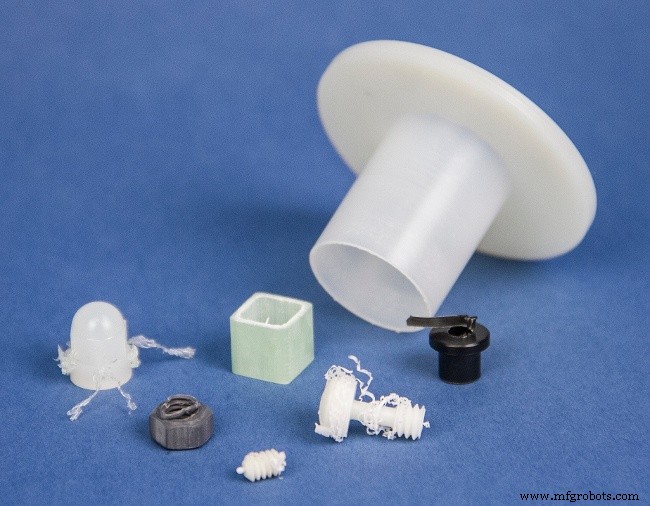 A burr—often called a “flash”—is an unwanted raised edge or fragment that remains after machining or molding. These imperfections can appear on metal, rubber, plastic, or any material subjected to cutting, drilling, milling, turning, or tapping. The result is a raw, unfinished look that can compromise a part’s performance and appearance.
Deburring, the process of removing these burrs, frequently represents a sizable portion of manufacturing expenses. According to ISO 13369:2013, effective deburring can reduce post‑production labor by up to 30 %. Below we outline the primary burr types and the most trusted deburring methods for plastic components.
Types of Burrs
- Roll‑over Burr – The most common burr, formed when a chip bends instead of shearing cleanly. It often appears at the end of a face‑milling cut and can be several millimetres wide.
- Tear Burr – Resulting from material tearing rather than shearing, these burrs leave a jagged, irregular edge.
- Cut‑off Burr – A protrusion left when a workpiece separates from the stock before the cutting tool completes its path.
- Poisson Burr – Occurs when compressed material bulges and plastically deforms at the sides, creating a permanent ridge.
Deburring Methods for Plastic Parts
- Manual Deburring – The most flexible approach, using hand tools or small abrasive devices. It allows immediate inspection and minimal stress on the part, though it relies heavily on skilled operators and can be labor‑intensive.
- Cryogenic Deburring & Deflashing – By immersing parts in liquid nitrogen, the plastic becomes brittle. A cryogenic deflashing machine then removes flash and burrs without affecting surface finish. This method works on rubber, silicone, and light metal die‑castings, preserving sharp edges and recessed areas with high precision.
- Mechanical Deburring – Automated grinding or sanding tools eliminate burrs on tougher materials like PVC. While effective, the finish quality can vary, and the process may be time‑consuming.
Questions or Comments? Share your thoughts below.
Want to deepen your knowledge of plastic manufacturing? Download our free glossary!

Resin
- Cryogenic Deflashing & Deburring: Precise, Cost‑Effective Flash Removal for Plastics
- Next-Gen Composite Materials & Advanced Processes: Industry Innovations Unveiled
- Comprehensive Guide to Metal Casting: Definitions, Types, and Processes
- Polypropylene: Key Features, Uses, and Production
- Exploring Key Machining Processes for Precision Manufacturing
- Explore the Four Key Welding Processes & Their Real-World Applications
- Effective Deburring Techniques: Applications & Process Types
- Deburring Explained: Techniques to Remove Burrs from Metal Parts
- Gas Welding Techniques and Their Industrial Applications
- Conventional vs. Non‑Conventional Machining: Techniques, Applications, and Benefits