



TPU (Isoplast®): A Versatile Thermoplastic Polyurethane for High‑Performance Applications
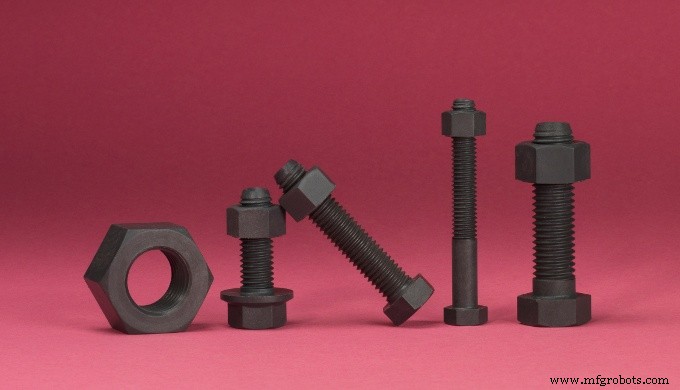 Thermoplastic polyurethane* is a fully thermoplastic elastomer. It is elastic and melt‑processable, making it suitable for extrusion, injection molding, and compression molding. Because TPU is a linear segmented block copolymer composed of hard and soft segments, it offers a wide spectrum of property combinations.
Aromatic segments consist of organic compounds with aromatic rings of six carbons. Isocyanates derived from toluene or benzene—such as the 2,2’,2,4’,4,4’‑methylene diphenyl diisocyanate (MDI) blend—serve as key hard‑segment components. These compounds contain at least two linear hydroxyl groups. In humid environments a polyether‑based TPU is preferred, and thermoplastic TPU remains stable when exposed to greases, lubricants, and test oils up to 100 °C over several weeks. Oil‑based fluids can, however, damage TPU, so compatibility testing is recommended; polyester‑based TPU offers better hydrocarbon resistance.
When blended with other polymers, TPU delivers exceptional benefits. For example, adding TPU to PVC improves compression set, abrasion resistance, and low‑temperature flexibility. When incorporated into polycarbonate or ABS, a TPU with a nominal flexural modulus of 18 000 psi can raise the compound’s modulus to as high as 150 000 psi.
Thermoplastic polyurethane* is a fully thermoplastic elastomer. It is elastic and melt‑processable, making it suitable for extrusion, injection molding, and compression molding. Because TPU is a linear segmented block copolymer composed of hard and soft segments, it offers a wide spectrum of property combinations.
Aromatic segments consist of organic compounds with aromatic rings of six carbons. Isocyanates derived from toluene or benzene—such as the 2,2’,2,4’,4,4’‑methylene diphenyl diisocyanate (MDI) blend—serve as key hard‑segment components. These compounds contain at least two linear hydroxyl groups. In humid environments a polyether‑based TPU is preferred, and thermoplastic TPU remains stable when exposed to greases, lubricants, and test oils up to 100 °C over several weeks. Oil‑based fluids can, however, damage TPU, so compatibility testing is recommended; polyester‑based TPU offers better hydrocarbon resistance.
When blended with other polymers, TPU delivers exceptional benefits. For example, adding TPU to PVC improves compression set, abrasion resistance, and low‑temperature flexibility. When incorporated into polycarbonate or ABS, a TPU with a nominal flexural modulus of 18 000 psi can raise the compound’s modulus to as high as 150 000 psi.
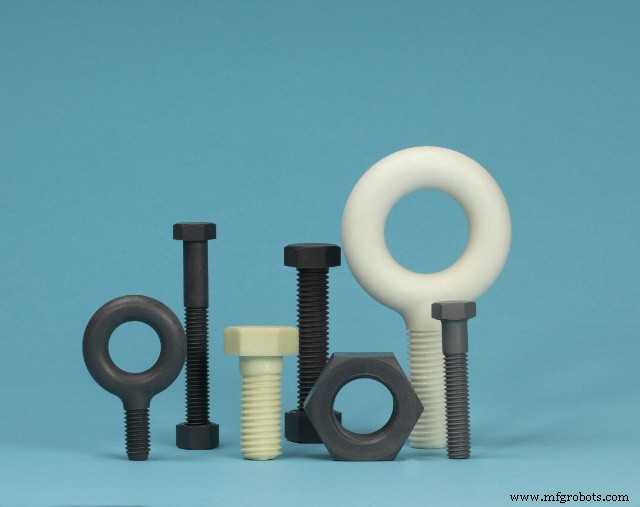 TPU’s versatility yields high resilience, low compression set, and resistance to impact, abrasion, tear, weathering, and hydrocarbons. It achieves this without plasticizers, covering a broad hardness range and offering high elasticity. TPU bridges the gap between rubbers and plastics, functioning as both a hard rubber and a soft engineering thermoplastic. It can be sterilized, welded, colored, painted, and die‑cut.
Certain grades provide optical clarity, hydrolytic stability, flame retardance, and anti‑static properties. Thermoplastic polyurethanes can be compounded with diols or triols to enhance structural strength; in these formulations the soft segments act more like hard segments, allowing limited twist and stretch.
TPU is generally ozone resistant, meeting VDE 472‑805 requirements. It complies with multiple fire‑performance standards; while inherently rated HB or slow‑burn on UL 94, it can be formulated with additives to achieve a 94 V‑O rating. UV exposure may cause yellowing, so aliphatic TPU formulations are recommended for outdoor use.
TPU is employed in hundreds of products, from inline skating shoes and mining screens to sporting gear, swim fins, goggles, cattle tags, drive belts, inflatable rafts, fire hose liners, footwear, caster wheels, and automotive side molding.
*Formerly sold as Isoplast® by DOW™.*
Craftech Industries supplies TPU fasteners and components to sectors where strength, chemical resistance, and UV durability are critical.
Questions? Comments? Let me know in the comments section below.
Interested to learn more about plastic materials? Download our full guide!
TPU’s versatility yields high resilience, low compression set, and resistance to impact, abrasion, tear, weathering, and hydrocarbons. It achieves this without plasticizers, covering a broad hardness range and offering high elasticity. TPU bridges the gap between rubbers and plastics, functioning as both a hard rubber and a soft engineering thermoplastic. It can be sterilized, welded, colored, painted, and die‑cut.
Certain grades provide optical clarity, hydrolytic stability, flame retardance, and anti‑static properties. Thermoplastic polyurethanes can be compounded with diols or triols to enhance structural strength; in these formulations the soft segments act more like hard segments, allowing limited twist and stretch.
TPU is generally ozone resistant, meeting VDE 472‑805 requirements. It complies with multiple fire‑performance standards; while inherently rated HB or slow‑burn on UL 94, it can be formulated with additives to achieve a 94 V‑O rating. UV exposure may cause yellowing, so aliphatic TPU formulations are recommended for outdoor use.
TPU is employed in hundreds of products, from inline skating shoes and mining screens to sporting gear, swim fins, goggles, cattle tags, drive belts, inflatable rafts, fire hose liners, footwear, caster wheels, and automotive side molding.
*Formerly sold as Isoplast® by DOW™.*
Craftech Industries supplies TPU fasteners and components to sectors where strength, chemical resistance, and UV durability are critical.
Questions? Comments? Let me know in the comments section below.
Interested to learn more about plastic materials? Download our full guide!

Resin
- Basalt and Aramid Fiber‑Reinforced Plastics: Advanced Materials for High‑Performance Applications
- Plastic Wear: Causes, Mechanisms, and How to Design for Durability
- What Plastic Makes LEGO Bricks? A Deep Dive into ABS and Production
- New Thermoplastic Biomaterial Offers Precise Control Over Degradation and Mechanical Properties for Medical Applications
- DKM Adopts INEOS Styrolution’s StyLight Composite for Advanced Loudspeaker Membranes
- NCAMP Announces First Approved Thermoplastic: Toray Cetex TC1225
- Large-Scale Production of Recycled Thermoplastic Composites
- PolyOne Launches Advanced Thermoplastic EMI/RFI Shielding Formulations
- Choosing the Right Material for Trench Grates: A Practical Guide
- Thermoset vs Thermoplastic: Key Differences and Definitions Explained