



Thermoplastics: The Smart Choice for Pump & Valve Reliability
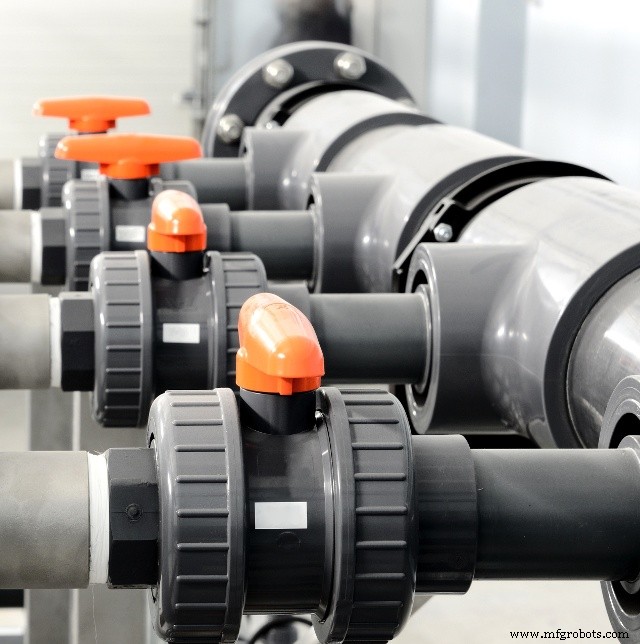
Thermoplastics are transforming the pump and valve industry. By offering superior corrosion resistance, reduced vibration, and higher temperature tolerance, they lower repair costs and extend service life. Operators worldwide are switching from metal to plastic components to improve reliability and drive down operating expenses.
Temperature Resistance
Unlike metals, thermoplastics have lower thermal conductivity, shielding pumps and valves from harsh internal and external temperatures. They also resist chemical‑thermal degradation, which is critical when toxic substances encounter high heat. The result is increased durability and a longer useful life.
Corrosion Resistance
Plastic seals and gaskets naturally resist the corrosive environments that cause metal fatigue. This protects the integrity of pumped fluids and prevents contamination that could damage downstream equipment or product quality. By eliminating corrosion‑related failures, operators save on maintenance and downtime.
Reduced Vibration
Vibration and friction accelerate wear and trigger premature component failure. Thermoplastics dampen vibration and lower friction compared with metal parts, preserving mechanical seals and extending pump life. Operators report smoother operation and fewer service calls.
Less Wear and Fatigue
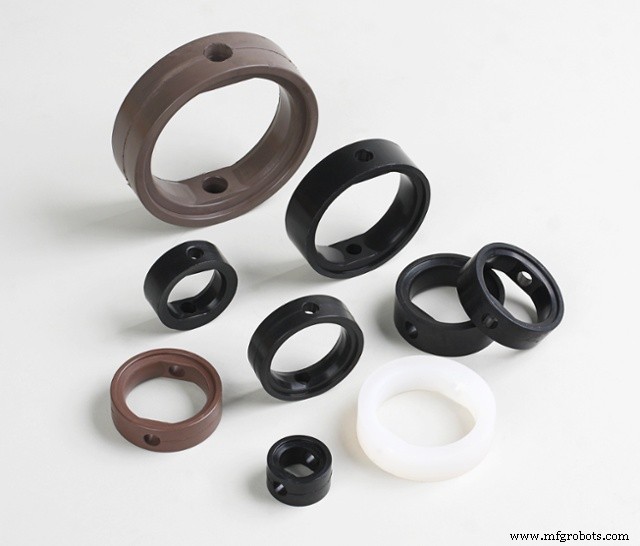
Plastic’s resistance to weathering and extreme conditions translates into less routine maintenance. Fewer component failures reduce downtime and keep profit margins intact. The cumulative effect is a more reliable, cost‑effective system.
Lightweight and Easy Installation
Thermoplastics are significantly lighter than metals, simplifying transport, storage, and on‑site installation. Technicians can handle components without heavy lifting equipment, reducing labor costs and the risk of injury.
Operational Efficiency
Thermoplastics offer lower creep, smoother surfaces, and reduced flow resistance. These attributes enhance pump performance, decrease energy consumption, and lower operating costs—key factors in a competitive marketplace.
Industry surveys confirm that pumps with thermoplastic components experience up to 30% fewer maintenance events than their metal counterparts. In many cases, the upfront cost difference is offset within the first year of operation.
Thermoplastics deliver tangible benefits for pump and valve systems—reduced maintenance, lower operating expenses, and improved reliability.
Questions? Comments? Share your thoughts in the comment section below.
Interested in learning more about plastic manufacturing? Download our free dictionary!
Resin
- Expert Guide to Planning & Designing Power Distribution Systems
- Why Every Business Should Invest in Print & Apply Machines: 5 Key Benefits
- Generative Design & Continuous 3D Fiber Deposition: AI-Driven Innovation
- CMM Machines Explained: Components, Applications, and Benefits for Precision Manufacturing
- Passive Tone Control Circuits: Design, Applications, and Audio Benefits
- Silicon Circuit Boards: Advantages and Design Tips for Reliable Electronics
- Optimizing PCB Design for RF Circuits & EMC in the 4G Era
- Understanding Commercial Pumps: Types, Functions, and Key Benefits
- Kawasaki K5V Hydraulic Pump – Durable, Easy‑Installation Replacement for Rotary Mower
- Kawasaki K3VL Hydraulic Pump: Superior Performance and Reliability