



Powder Contamination: The Silent Threat to High‑Performance Metal 3D Printing
Every high‑quality 3D printed part—whether a prototype, a display model, or an industrial component—depends first on the quality of its material. For metal 3D printing, this is critical because aerospace, defence, and automotive parts must meet stringent performance and safety standards. Because metal powders are costly, operators must use them wisely and keep them free from contaminants to protect both time and budget.
Maintaining powder purity is deceptively challenging. Many operators only discover contamination after a failed print, which wastes hours of build time and precious material. Understanding the root causes and establishing robust safeguards is therefore essential.
The Recycling Conundrum
Recycling unused powder seems an obvious cost‑saving strategy. However, when metal powders are sintered, microscopic clumps form around the printed part. These clumps are invisible to the naked eye but alter the particle size distribution, leading to inconsistent flow and packing density in subsequent builds.
Modern printers mitigate this by passing leftover powder through a sieve‑style system to remove clumps, but even then a fraction of the powder bed is lost, and subtle quality drift remains inevitable. In regulated sectors, any decline in powder integrity can compromise compliance with industry standards such as AS9100 or ISO 9001.
Until a recycling process can guarantee that re‑used powder matches the performance of virgin material, many aerospace and automotive manufacturers opt for fresh powder for every run, accepting the higher cost to ensure reliability.
Hidden Impurities and Their Consequences
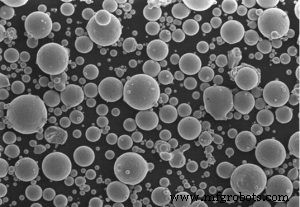
LPW, a leading metal powder specialist, investigated a cracked aluminium gas‑turbine part that failed repeated print attempts. Microscopic analysis revealed Inconel 625 particles embedded in the aluminium powder. These particles clumped during the build, creating zones of incompatibility that initiated cracking.
The contamination stemmed from a staff member’s oversight: the printer had previously produced an Inconel 625 part, and the powder bed was not cleaned properly before loading aluminium powder. This incident underscores the need for meticulous handling and strict cleaning protocols whenever material changes occur.
Once powder is contaminated, detecting the culprit often requires specialised equipment and expert analysis. Prevention, therefore, is far more cost‑effective than remediation.
Building a Robust Contamination Prevention Workflow
Powder contamination poses a persistent threat to any metal 3D printing operation. Technology can help—sieving, automated powder handling, and real‑time monitoring are valuable tools—but they must be complemented by comprehensive staff training and strict procedural controls.
Implementing a systematic approach—proper storage, segregation of powders, rigorous cleaning between runs, and routine quality checks—creates an additional safety net that protects both product integrity and production efficiency.
While adding these steps increases workflow complexity, the payoff is clear: reduced waste, fewer failed builds, and confidence that each part meets the highest industry standards.
3D printing
- Molybdenum Powder: Types, Properties, and Industrial Applications
- Key Design Principles for Optimizing Metal 3D Printed Parts
- Metal 3D Printing: 5 Cutting‑Edge Applications Transforming Industry
- 10 Cutting‑Edge Additive‑Manufacturing Innovations Unveiled at Formnext 2019
- A Comprehensive Guide to Metal 3D Printing Technologies
- Niobium: Applications in Industry, Jewelry, Gravimetry, and Orthopedic Implants
- Why Powder Coating Is the Superior Choice for Metal Fabrication Projects
- Precision CNC Metal Lathes: Advanced Solutions for Superior Metalworking
- Master ABS Filament Temperature Settings for Superior 3D Prints
- Ensuring Food‑Safe Coatings & Sealants for 3D Printed Parts