



Unlocking Scalability in Additive Manufacturing with MES & Workflow Software

Manufacturing is undergoing a sweeping digital transformation. A recent survey found that 74% of manufacturers believe adopting digital technologies is essential for long‑term success. Yet turning investment into operational reality remains a major challenge.
Additive manufacturing (AM) sits at the heart of this shift. It turns a digital CAD file into a physical part, and 80% of companies report that AM accelerates their innovation cycles. However, merely owning printers and materials is not enough – the facility must be fully connected and scalable.
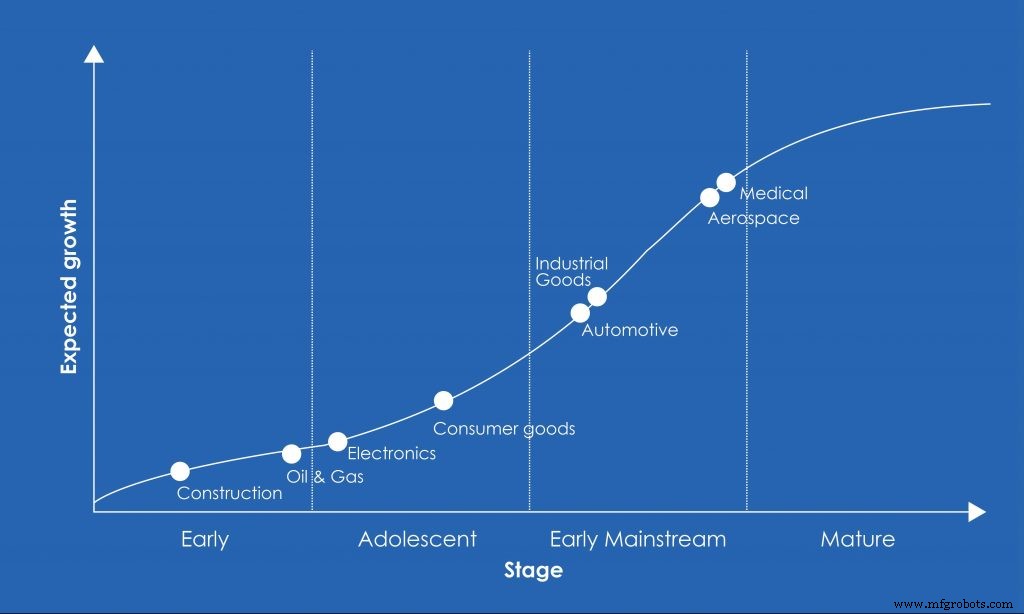
Scalability hinges on the right software stack that can capture, analyze, and act on the data generated at every stage of production.
Data Is the Core of Digital Transformation
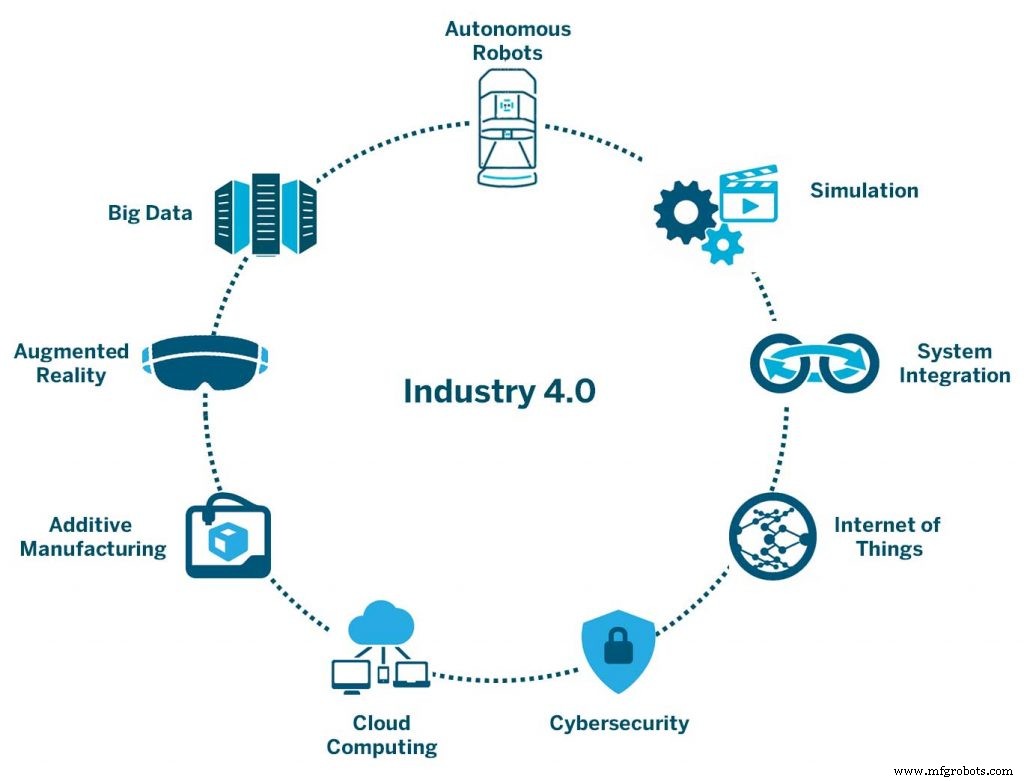
Data drives optimisation, system integration, and efficiency gains. In additive manufacturing, data is produced throughout the workflow:
- Machine data – print time, machine status, error logs
- File data – design revisions, file format, material specs
- Operator actions – hand‑offs, setup changes
- Material usage – feedstock consumption, waste
Harnessing this data enables three key outcomes: process optimisation, KPI tracking, and growth.
Benefits of Additive Manufacturing
When considering AM, companies should weigh these four tangible advantages:
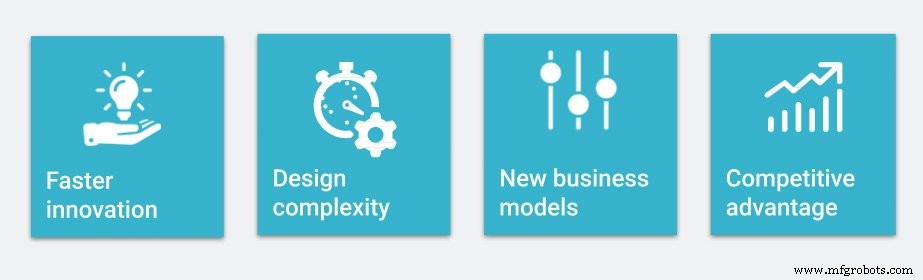
- Faster innovation – Design freedom lets you prototype and launch products more quickly.
- Design complexity – Create geometries that traditional manufacturing can’t achieve.
- New business models – Distributed, on‑demand production brings agility to supply chains.
- Competitive advantage – Combine speed, complexity, and new models to differentiate in the market.
Key Requirements for Scalable AM
As the industry moves toward end‑part production, scalability becomes critical. Four pillars underpin success:
- Repeatability – Consistent part orientation and parameters ensure quality each time.
- Traceability – Track every part through its lifecycle to isolate root causes of failures.
- Connectivity – Seamless data flow between printers, ERP, PLM, and MES systems.
- Automation – Reduce manual scheduling, build prep, and post‑processing to free up expertise.
Challenges to Scaling Additive Manufacturing
Lack of Connectivity
Many 3D‑printer networks remain disconnected, often lacking open APIs. This hampers traceability and creates data silos, especially when facilities span multiple sites. Solutions like AMFG’s MES platform bridge this gap, enabling unified machine and system integration.
Legacy Software Systems
Traditional manufacturing software is ill‑suited to the unique data flow of AM. Fragmented tools lead to inefficiencies and lost insights. Dedicated AM workflow solutions provide the necessary traceability and efficiency that legacy systems cannot.
High Cost of In‑House Development
Building a custom workflow platform allows tailoring to specific needs, but it demands significant capital, ongoing maintenance, and specialized talent. For many organisations, a commercial MES solution offers a cost‑effective alternative that scales with the business.
Using Workflow Software to Scale Additive Manufacturing
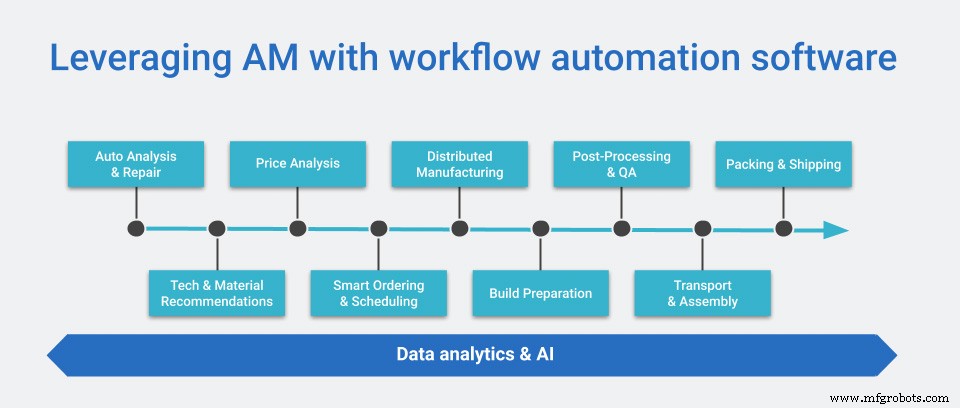
A robust MES or workflow platform consolidates data from every source, delivering real‑time analytics and traceability. With a single, centralised interface, manufacturers can:
- Calculate cost per part and benchmark against traditional methods.
- Standardise order management via an internal portal that synchronises departments and suppliers.
- Estimate delivery times based on capacity and queue status.
- Schedule production automatically, even across multiple sites.
- Access live machine metrics and predictive analytics.
These capabilities translate into higher throughput, visibility, and ultimately scalability.
Conclusion
Digital transformation is no longer optional; it is the key to staying competitive in a fast‑evolving market. Additive manufacturing offers immense potential, but realizing that potential requires more than printers and materials—it demands a connected, data‑driven ecosystem.
Investing in workflow software is a strategic move that automates manual tasks, enriches data quality, and provides the insights needed to grow. Start small with a trial or proof‑of‑concept to evaluate a provider, then scale as confidence builds.
Only when hardware, materials, and software are aligned can a company build a truly scalable AM facility.
Ready to explore workflow automation for additive manufacturing? Contact our team today.
3D printing
- Elevate Aerospace Additive Manufacturing with MES: Overcome Standards, Costs, and Supply Chain Challenges
- Optimizing Software Integration for Additive Manufacturing Success
- Scaling Additive Manufacturing: How MES Software Drives Production Growth
- Software That Solves Four Major Additive Manufacturing Hurdles
- Revolutionizing Additive Manufacturing: How MES & Workflow Software Optimize Production Planning
- Additive Manufacturing Execution Systems (MES): A Comprehensive Guide for New Adopters
- Additive Manufacturing Explained: From Design to Finished Part
- GE Digital Drives Manufacturing Transformation with Smart MES
- Accelerating Digital Transformation: Real-Time MES Data Drives Factory Efficiency
- Weaving the Digital Thread: Building Tomorrow’s Electric Vehicles