



Overcoming the Top 10 Additive Manufacturing Challenges for Production in 2020 – Expert Insights

Updated in 2020
Design flexibility, material efficiency and low‑volume production make additive manufacturing (AM) an attractive option for many companies. Yet, to fully leverage AM in a production environment, several obstacles must be addressed.
Technological Challenges
1. Slow Production Speeds
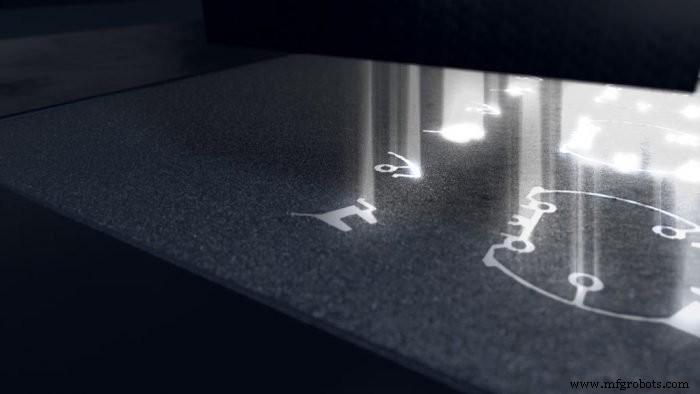
Speed remains a critical factor, especially for high‑volume industries such as automotive and consumer goods. Traditional 3D printers often lag behind conventional manufacturing in throughput.
“The final part is the throughput or the speed of the machines. [Automotive] production volumes are considerably different from the volumes of aerospace or medical. So we have to look at systems that are capable of producing parts in minutes or seconds as opposed to days and hours. Anything that we can do to push the technology into faster build speeds is definitely what will help us as well.”
Harold Sears, Technical Leader of Additive Manufacturing Technologies at Ford
Manufacturers are investing heavily in high‑speed solutions. EOS, for example, is developing Laser Pro Fusion, which will use up to 1 million diode lasers in a single SLS system, potentially cutting build times dramatically. In metal printing, Aurora Labs’ Multilevel Concurrent Printing (MCP™) enables simultaneous deposition of multiple layers—30 layers in a single pass, with a goal of 100 layers in the next year. Their PMP1 printer has reached 350 kg/day, a 2000 % speed improvement over last year.
While these technologies are still in development, the trajectory suggests that AM will meet production speed demands in the near future.
2. Material Development and Inconsistencies
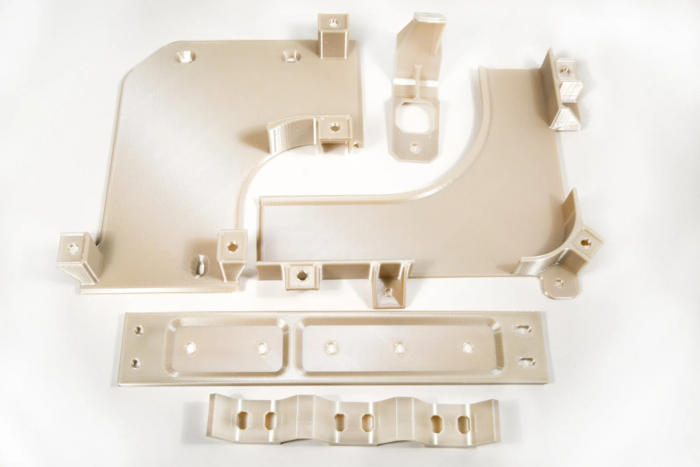
“The additive manufacturing industry definitely needs solutions to more materials. 3D printing is theoretically capable of producing parts of high complexity and functionality, whether it’s mechanical, biological, electrical. But making that happen comes down to having enough material options.”
Simon Fried, Co‑founder of Nano Dimension
AM has made significant strides in polymer and composite materials. Major chemical companies—Arkema, BASF, DuPont—are developing carbon‑reinforced polymers that rival metal strength. Markforged introduced Onyx FR, the first flame‑retardant composite for AM. Metal feedstocks also see progress, though the cycle is longer. Despite the growth, the industry still lacks a comprehensive material database, leading to inconsistent properties and difficult repeatability.
Standards bodies like ISO and ASTM are establishing specifications for metal powders (nickel, titanium, stainless steel), and collaborations such as America Makes with Stratasys and NIAR have produced a ULTEM 9085 database for FDM. These efforts will help companies reliably source and qualify materials.
3. Manual Post‑Processing
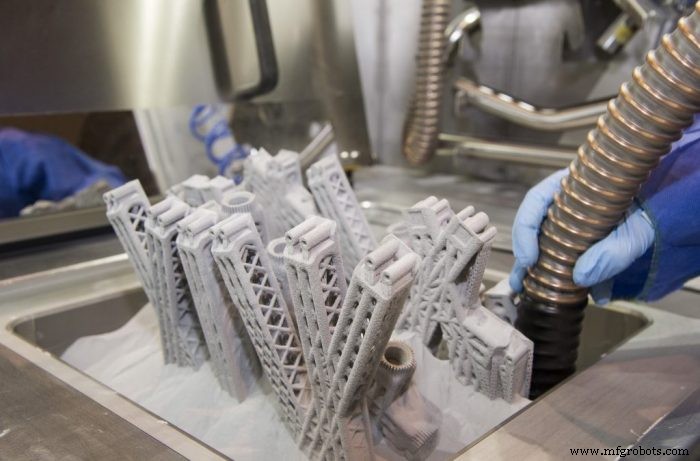
While prototyping can tolerate manual finishing, production demands automation. Metal AM parts require powder removal, stress‑relief heat treatments, support removal, CNC machining, and sometimes hot‑isostatic pressing to eliminate porosity.
“With metal AM, many steps are involved to ensure quality. This includes properly removing the powder and going through a stress relief heating cycle so that the parts do not warp and distort from the heat residual stress built up in the parts when they are removed from the build plate. A lot of time is often required to cut and grind away the support structures. Other steps include CNC machining and other finishing work, as well as hot isostatic pressing, which helps to ensure that the part does not contain any porosity.”
Terry Wohlers, Founder and President of Wohlers Associates
Automated post‑processing solutions are emerging—DyeMansion’s cleaning rigs, AMT’s surface smoothing systems, and PostProcess Technologies’ support‑removal units. In metal, Digital Metal’s fully automated production line demonstrates how robotics can handle build boxes, post‑processing, and part handling, eliminating manual labor.
Although progress is incremental, the expansion of automated workflows is essential for high‑volume AM production.
Software Challenges
4. Limited Data Preparation Capabilities
“Design and data preparation are still a bottleneck in this industry while the emphasis is put on higher productivity hardware systems, with intelligent software solutions being excluded from this equation.”
Yves Hagedorn, Managing Director at Aconity3D
Traditional CAD tools were not designed for AM’s unique requirements—graded materials, lattice structures, porosity modeling. Designers often export to STL, import into Netfabb, then send to the machine, creating data silos and errors.
“We hear from many of our customers that they’re working with very disjointed workflows. They do the design process in a CAD tool, then they translate that to an STL file and import it into a build processor, like Netfabb. From there, it gets sent to the machine and the machine is collecting data on that. So you end up with these silos of data that are not well connected.”
Robert Yancey, Director of Manufacturing and Production Industry Strategy at Autodesk
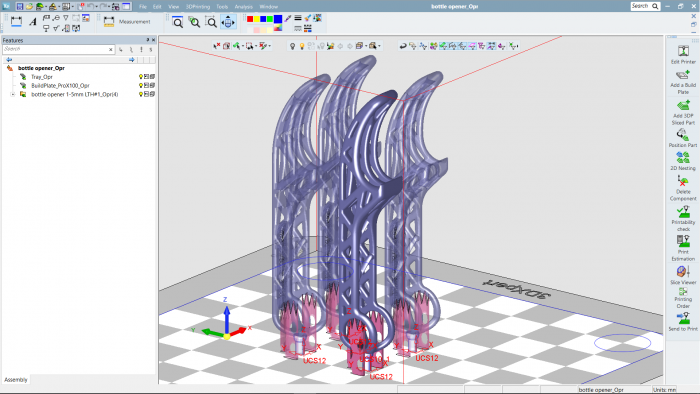
Leading CAD vendors are integrating AM functions—PTC’s Creo 6.0 now supports design and print preparation in one environment, and has acquired generative‑design firm Frustum. Stratasys’ GrabCAD and 3D Systems’ 3DXpert also streamline data conversion. The goal is to allow designers to iterate within the CAD system without cumbersome file exchanges.
Quality Assurance Challenges
5. Part‑to‑Part Variation
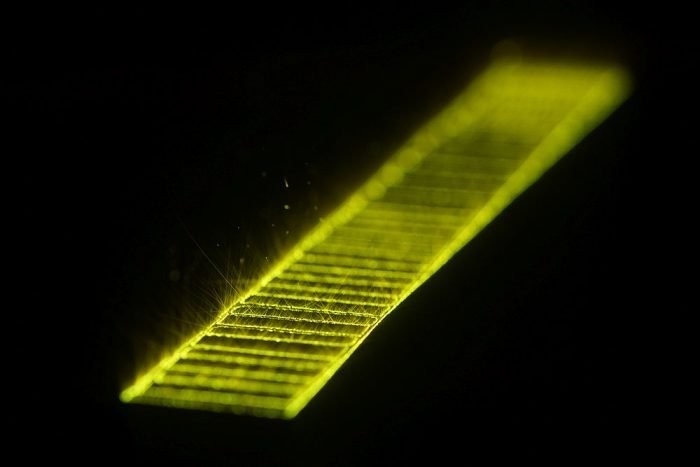
“Another big thing that the industry needs to address to be more widely accepted is the part‑to‑part variation […] The reason for that is that the consistency of the material that comes out of the system is not necessarily what you want it to be. You have to design for the weakest part you might get, which means you’re not fully leveraging some of the capabilities of AM.”
Zachary Murphree, VP of Technology Partnerships at VELO3D
Variations stem from material chemistry—particle size, shape, contamination—and from process control. Closed‑loop control systems, with embedded sensors and cameras, can detect deviations in real time and adjust parameters, reducing defects such as powder entrapment, microcracks, or lack of fusion.
“I think that’s the Holy Grail for AM because with in‑process control you’re able to almost immediately react on deficiencies within your process.”
Yves Hagedorn, Managing Director at Aconity3D
Currently, only a small percentage of printers feature closed‑loop control, but the trend is growing as AM moves into production environments.
6. Lack of Industry‑Wide Standards
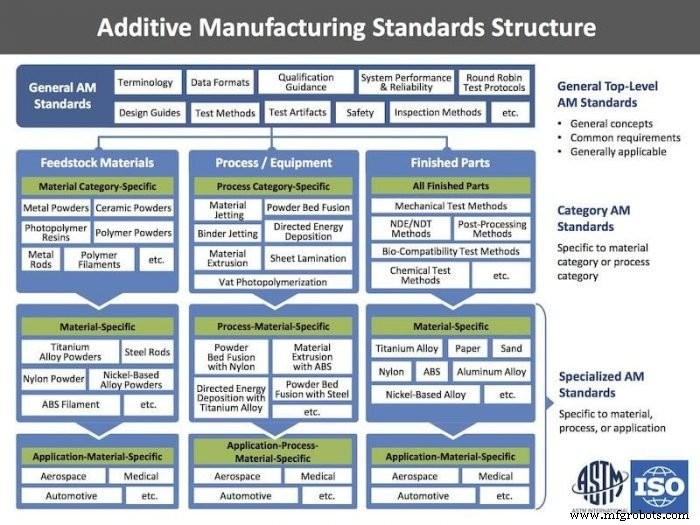
“It would be incredibly beneficial to all stakeholders and constituents if the industry had better standards overall, standards that are universally understood and accepted. With standards, companies can compare apples to apples and make intelligent decisions that can be implemented within a comprehensive ecosystem of suppliers, manufacturers and users.”
Avi Reichental, Founder of XponentialWorks
Standards are essential for ensuring material, process, and product quality. ISO and ASTM have already issued 28 AM standards as of 2018, with many more slated for release. Collaborative efforts—such as the Oerlikon‑Boeing partnership for titanium parts and ASTM’s Additive Manufacturing Center of Excellence—accelerate standardization across design, feedstock, process, post‑processing, testing, and qualification.
Workforce Challenges
7. Lack of Understanding and Expertise
“[The] workforce element is really critical right now. There are not enough engineers, managers, executives who truly understand the technology well enough to work and develop a strategy to get what they need to get out of it.”
John Barnes, Founder of The Barnes Group Advisors
Bridging the knowledge gap is vital. Many companies now offer training programs, online courses, and centers of excellence to upskill engineers. Consultancies and industry conferences also disseminate best practices. The key is to match the right technology to the right application, avoiding the pitfall of forcing traditional designs onto AM processes.
Financial Challenges
8. Making the Initial Investment

Adopting AM involves more than buying printers; it requires software, materials, training, post‑processing equipment, certification, and facility upgrades. The upfront cost can be daunting.
“The cost of equipment needs to come down to unlock the technology for broader markets.”
Armin Wiedenegger, Strategy & Business Development for Additive Manufacturing at voestalpine High Performance Metals GmbH
Economical entry‑level systems are emerging. Markforged’s composite printer costs around $15 000 and delivered payback within six months for Dunlop Systems, saving £40 000 per year. Metal printers from Desktop Metal, Markforged, and Xact Metal range up to $150 000, a fraction of large‑scale systems. Building a business case around quick wins—cost reductions, lead‑time cuts, weight savings—can attract investment and demonstrate ROI.
Workflow and Integration Challenges
9. Disjointed AM Ecosystem
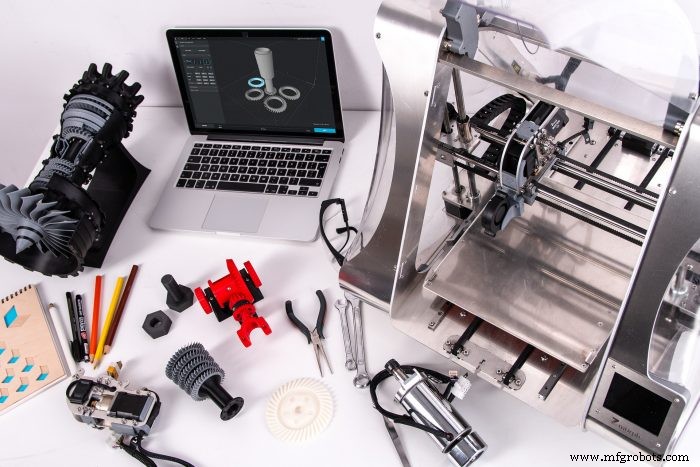
“The entire AM ecosystem is fragmented: there are a lot of little solutions and companies that you have to cobble together to create a workflow and end‑to‑end solution.”
Dave Conover, Chief Technologist of Additive Manufacturing at Ansys
Integration across design, build, post‑processing, and supply chain is essential for scalability. Partnerships—such as RIZE and Dassault Systèmes’ SOLIDWORKS integration, and Henkel’s full‑value‑chain offering (custom materials, Loctite printers, printing services)—simplify workflows. Consolidation through ecosystem collaboration accelerates adoption.
10. Lack of Digital Infrastructure
Efficient AM production requires a digital backbone tailored to its unique workflows. Traditional manufacturing IT solutions often fall short. Dedicated AM workflow management software tracks requests, printability, machine analytics, scheduling, post‑processing, and supplier communication.
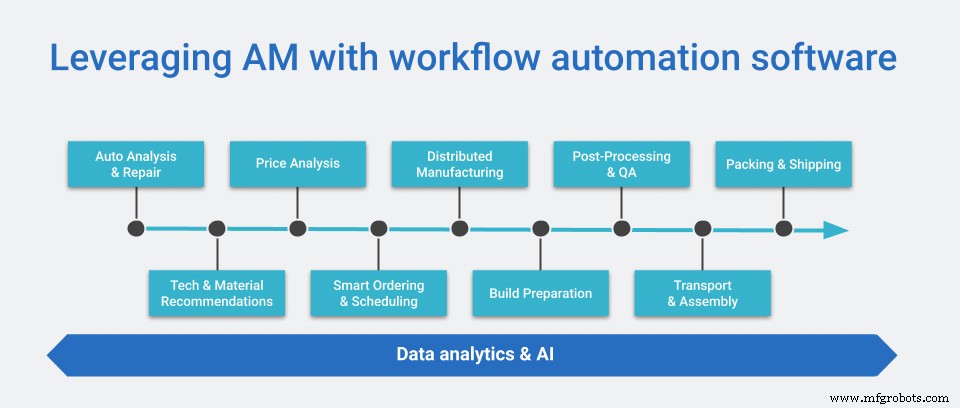
A centralized system provides traceability, production planning, and data synchronization, enabling seamless integration into a digital manufacturing environment.
The Evolving Industry
Over the past decade, AM has evolved from a prototyping tool to a viable production technology. Innovations in speed, material science, automation, standards, and workforce development are driving this shift. As companies collaborate, standardize, and invest strategically, additive manufacturing will continue to mature and expand across sectors.
Read our previous Expert Roundup on the future of industrial 3D printing for more insights.
3D printing
- Building a Strong Business Case for MES in Additive Manufacturing
- Why an Additive Manufacturing Execution System Is Essential for Spare Parts Production
- Additive Manufacturing: Redefining Scale Economics and Driving Integrated Production
- Scaling Additive Manufacturing: How MES Software Drives Production Growth
- 8 Key Challenges Additive Manufacturing Must Overcome for Mass Production
- Top Metal 3D Printing Materials: Unlocking Additive Manufacturing’s Potential
- Why 3D Printing Is Revolutionizing Modern Manufacturing
- How Additive Manufacturing Is Revolutionizing Industrial Production
- Top Industrial Manufacturing Trends of 2020: Embracing Industry 4.0
- Scaling Additive Manufacturing from Prototyping to Production: Unlocking Design Flexibility and Cost Savings