



Rapid, Reliable MedTech Solutions: 3D Printing’s Role in the COVID-19 Response
During the COVID‑19 crisis, 3D printing emerged as a fast‑track solution for critical medical supplies. With shortages of ventilators, protective gear, and personal hygiene items, additive manufacturing enabled the rapid design, prototyping, and production of life‑saving devices worldwide.
The global 3D‑printing community united to deliver innovative responses, from improving the fit and comfort of face shields to creating contact‑less door‑handle solutions that reduce virus transmission.
Materialise and its partners acted swiftly to deliver new medical devices, ensuring timely access for those in need while meeting rigorous industry standards.
The European Commission’s recent guidance underscores the necessity for 3D‑printed medical supplies to meet established safety standards. Speed is vital during a pandemic, but it must coexist with certified processes and reliable manufacturing. Materialise delivers certified, ISO 13485‑compliant production for medical parts, combining speed with proven quality.
Innovative Research with the Potential to Save Lives
“Desperate times, but not‑so‑desperate measures,” say Dr. Matthias Mergeay and Dr. Luc Janssen of Geel Hospital, Belgium. They used a 3D‑printed ventilator valve, designed by Dirk Wenmakers and Philippe Caers and produced by Materialise, to meet the urgent demand for ventilator capacity.
The valve allows a single ventilator to safely support up to four patients, with individualized pressure and flow control. The design was rapidly manufactured, tested for durability, and is ready for deployment in hospitals that face ventilator shortages.
When such innovations receive regulatory approval, hospitals can integrate medical‑grade 3D‑printed components to deliver high‑quality care not only during the pandemic but for years ahead.
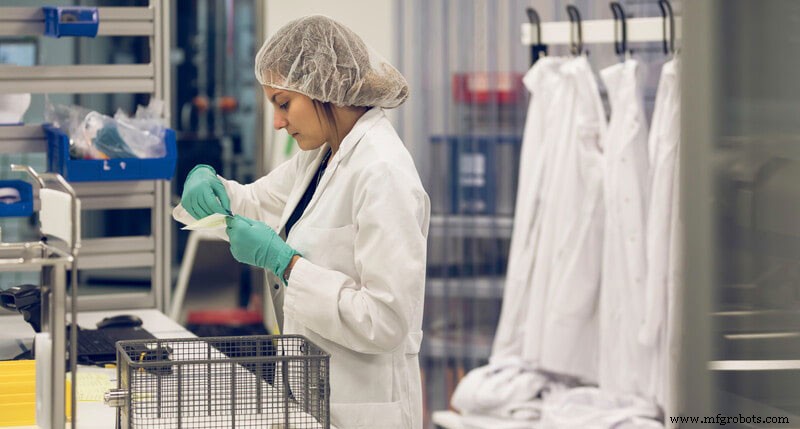
Materialise meets rigorous certified manufacturing requirements of the MedTech industry.
Big Ideas Meet Know‑How
Isinnova, a product‑development company, partnered with Decathlon to create a 3D‑printable connector that transforms standard scuba masks into emergency oxygen masks. The design file is freely available for local 3D printing worldwide.
Materialise enhanced the STL to meet certification regulations, ensuring structural integrity while preserving the design’s open‑source nature. Though the emergency mask itself is not yet certified, it offers a practical interim solution for hospitals short on equipment.
With three decades of experience and partnerships with 70 % of the top 30 medical‑device companies and leading hospitals, Materialise leverages its expertise to deliver certified solutions that protect patients and healthcare workers.
Download the certified STL file to produce the scuba‑mask connector, or contact our team to place an order. The alternate connector design is available for download on the Isinnova website.
By downloading the STL file, use selective laser sintering (SLS) and polyamide powder. Attribution to Materialise is required; the Materialise logo may only be used by ISO 13485‑certified companies. For other modifications or manufacturing methods, contact projects@materialise.be to discuss licensing.
3D printing
- Generative Design & 3D Printing: Building Tomorrow’s Manufacturing
- How the COVID‑19 Crisis Reveals 4 Key Lessons About 3D Printing
- The Pandemic’s Impact on 3D Printing: From Decline to Resurgence
- Open‑Source 3D Printing: Empowering Innovation Through Shared Designs
- Revolutionizing Oil & Gas: How 3D Printing Drives Efficiency and Sustainability
- Metal 3D Printing: Overcoming Key Challenges & Harnessing Emerging Solutions
- Mastering 3D Printer Flow: Definition, Significance, and Calibration Tips
- 3D Printing: Innovative Response to COVID‑19 PPE Shortage
- Common 3D Printing Issues & Expert Solutions
- Open vs. Closed 3D Printing Systems: Choosing the Right Solution